Category: Uncategorized

  • AI Wearables in 2026: Which Health Trackers Are Actually Worth Trusting

    AI Wearables in 2026: Which Health Trackers Are Actually Worth Trusting

    The market for health wearables has shifted considerably. Devices no longer just count steps or log sleep hours; they now run on-device machine learning models that claim to detect atrial fibrillation, predict illness before symptoms appear, and even estimate your biological age. If you are trying to make a sensible decision about the best AI health wearables 2026 has available, the noise is significant. Here is what actually matters.

    What the Top AI Health Wearables Are Claiming Right Now

    The headline devices in 2026 sit across three form factors: wrist-worn smartwatches, finger rings, and chest-worn patches. Apple Watch Series 10, Samsung Galaxy Watch 7, Oura Ring Generation 4, and the Whoop 5.0 are the most widely referenced. Each uses a combination of photoplethysmography (PPG), skin temperature sensors, accelerometers, and in some cases electrical heart sensors (ECG) to generate health scores.

    The claims vary in credibility. ECG-based atrial fibrillation detection on the Apple Watch has peer-reviewed backing. A 2023 study published in the New England Journal of Medicine found the Apple Watch’s AFib history feature had a 98% positive predictive value in confirmed AFib cases, though sensitivity in asymptomatic populations remains debated. Claims around “readiness scores”, stress detection, and metabolic health are on shakier ground, often built on proprietary algorithms with limited independent validation.

    Flat lay of the best AI health wearables 2026 on a natural stone surface with soft morning light
    Flat lay of the best AI health wearables 2026 on a natural stone surface with soft morning light

    Accuracy: Where the Science Holds Up and Where It Does Not

    Heart rate monitoring during rest is reliably accurate across most major devices, with error margins typically within two to three beats per minute according to research reviewed by the American Heart Association. During high-intensity exercise, however, PPG-based wrist sensors can drift significantly. A 2022 analysis in the Journal of Medical Internet Research found wrist-worn optical sensors showed up to 15% error at heart rates above 150 bpm during interval training.

    Sleep staging is where marketing tends to outrun science. Devices that label your sleep as “deep”, “REM”, or “light” are doing so without EEG data, which is the clinical gold standard. Consumer-grade wearables estimate sleep stages from movement and heart rate variability, a methodology that has been shown in multiple studies to underperform compared to polysomnography. The Oura Ring has fared better than most in comparative research, but it is still an approximation, not a diagnosis.

    SpO2 (blood oxygen) monitoring has attracted criticism, including an FDA advisory in 2023 noting that optical sensors can produce inaccurate readings in people with darker skin tones. This remains an unresolved issue across most consumer devices.

    Close-up of a smartwatch showing heart rate data, one of the best AI health wearables 2026
    Close-up of a smartwatch showing heart rate data, one of the best AI health wearables 2026

    Data Privacy: What Happens to Your Health Information

    This is the part most review articles skip. Health data collected by wearables sits in a legally grey area in the UK. Under GDPR, health data is classified as a special category requiring explicit consent and strong protections. However, not all wearable manufacturers are headquartered in the UK or EU, and enforcement of how that data is stored, shared with third parties, or used to train AI models varies considerably.

    Apple’s Health app keeps data encrypted on-device by default and has a comparatively clear privacy framework. Whoop’s terms of service, by contrast, have historically included clauses allowing anonymised data to be used for research and product improvement, though users can opt out. Oura similarly anonymises and aggregates data for research partnerships. The important question is whether you have read and understood what you agreed to, because the health insights you receive are not free; your data is part of the exchange.

    Anyone with concerns about health data privacy should review the Information Commissioner’s Office (ICO) guidance on wearable technology and health data, which was updated in 2025 and provides clear consumer rights information.

    Does the AI Actually Add Anything Useful?

    Separating genuine AI utility from marketing language is harder than it should be. Adaptive coaching features, which adjust recommendations based on your patterns over time, do show real value in adherence research. A 2024 paper in npj Digital Medicine found personalised wearable-based interventions improved step count and sleep consistency more than static recommendations, suggesting that machine learning personalisation has measurable impact beyond placebo.

    Where the AI claims fall flat is in predictive health alerts for conditions like metabolic syndrome, early diabetes indicators, or mental health states. These features exist in prototype or early-access form on some platforms, but independent clinical validation is thin. Being told your “stress score” is elevated is only useful if the score is accurate, and right now the evidence is mixed at best.

    Which Device Is Actually Worth Buying

    For most people, the best AI health wearables 2026 offers come down to three practical choices. If cardiovascular health monitoring is your priority and you use an iPhone, the Apple Watch Series 10 remains the most clinically validated option. If passive recovery and sleep tracking matter more, the Oura Ring Generation 4 has the most consistent research support among ring-form devices. If you are an athlete focused on training load and performance data, Whoop 5.0 offers the most granular HRV and recovery metrics, though its subscription model adds ongoing cost.

    No device replaces a GP, a blood test, or a clinical assessment. The best use of these tools is as a pattern-recognition aid over time, not a diagnostic instrument. Treat the numbers as context, not conclusions. The science behind some of these features is genuinely promising; it just has not caught up with the confidence of the marketing yet.

    Frequently Asked Questions

    Are AI health wearables medically accurate?

    It depends on the metric. ECG-based atrial fibrillation detection on devices like the Apple Watch has strong peer-reviewed support. Features like sleep staging, stress scores, and SpO2 monitoring are less accurate and should not be treated as clinical readings. Always consult a healthcare professional for any health concerns flagged by a wearable.

    What is the most accurate health wearable in 2026?

    For cardiovascular metrics, the Apple Watch Series 10 has the most independently validated feature set. The Oura Ring Generation 4 performs well in sleep tracking comparisons. No single device is most accurate across all metrics; accuracy varies significantly by the specific health measure being tracked.

    Do health wearables sell your data?

    Most major manufacturers do not sell your raw personal data outright, but many use anonymised and aggregated data for research partnerships or product improvement. Apple has the most restrictive data practices among major players. Always read the privacy policy and check opt-out options before purchasing. UK consumers have rights under GDPR regarding special category health data.

    Is the Oura Ring better than a smartwatch for health tracking?

    The Oura Ring is generally considered more accurate for passive health metrics like resting heart rate, HRV, and sleep staging compared to wrist-worn devices, partly due to better blood flow readings from the finger. However, it lacks a screen and cannot perform real-time ECG. The best choice depends on which health metrics matter most to you.

    Can a wearable detect illness before symptoms appear?

    Some research, including studies involving Fitbit and Oura data during the COVID-19 pandemic, found that changes in resting heart rate and HRV preceded symptom onset by a day or two in some cases. This is a promising area but not a reliable standalone diagnostic tool. The evidence suggests wearables can flag anomalies worth paying attention to, not that they can definitively predict specific illnesses.

  • Microplastics and Human Health: What the Current Science Actually Says

    Microplastics and Human Health: What the Current Science Actually Says

    Microplastics are everywhere. They have been detected in human blood, lung tissue, breast milk, and even the placenta. The question that matters is not whether we are exposed, because we clearly are, but what that exposure is actually doing to our health. The evidence on microplastics health effects is growing fast, but it remains uneven. Some findings are solid. Others are preliminary at best. This article works through both.

    Before drawing conclusions, it helps to understand what we are dealing with. Microplastics are particles smaller than 5mm, often far smaller, that shed from plastic products, packaging, textiles, and tyres. Nanoplastics are a sub-category, under 1 micrometre, and are considered more biologically concerning because they can cross cell membranes. Both enter the body through food, water, and inhalation.

    Person examining a glass of water in natural light, illustrating concerns about microplastics health effects
    Person examining a glass of water in natural light, illustrating concerns about microplastics health effects

    What the Research Has Confirmed

    The most significant published study to date, released in the New England Journal of Medicine in early 2024, found that patients with microplastics and nanoplastics detected in their carotid artery plaque had a significantly higher risk of heart attack, stroke, and death over a 34-month follow-up period compared to those without. This was a human study with a clinical outcome, not a lab model. It is the kind of data that shifts the conversation.

    Separately, research published in Environment International and work from the World Health Organisation has confirmed that microplastics cause physical inflammation in tissue. Studies in animals have linked higher exposures to oxidative stress, gut microbiome disruption, and hormonal interference, particularly from plastics carrying chemical additives like BPA and phthalates. The WHO has acknowledged these risks while noting that the full scale of harm in humans is still being quantified.

    Where the Evidence Is Still Thin

    It would be dishonest to present microplastics as a fully mapped threat. Several areas remain genuinely uncertain. The dose-response relationship, meaning how much exposure causes what level of harm, is not well established in humans. Most animal studies use concentrations far higher than typical human exposure. Long-term epidemiological studies tracking microplastic exposure and health outcomes over decades are still largely absent.

    There is also the question of which plastics matter most. Not all plastic particles carry the same risk. The chemical load attached to a particle, its size, its polymer type, and where it accumulates in the body all affect its potential harm. Right now, the science does not give us a clean hierarchy of risk. Researchers at institutions including University College London and the University of Edinburgh are working to fill these gaps, but the honest answer is that certainty is still some years away.

    Close-up of microplastic particles on a laboratory surface related to microplastics health effects research
    Close-up of microplastic particles on a laboratory surface related to microplastics health effects research

    How Microplastics Enter the Body

    Diet is the primary route of exposure for most people. Seafood, particularly shellfish, is a well-documented source. Bottled water contains higher concentrations of microplastics than tap water in most tested countries, according to analysis by researchers at the State University of New York and others. Plastic food packaging, especially when heated, leaches particles into food. Inhaled plastic fibres from synthetic textiles and outdoor air pollution add further load.

    The cumulative nature of exposure is part of why this topic has started attracting serious commercial interest. Brands focused on health optimisation, environmental wellness products, and even digital health tools are beginning to orient content around plastic exposure. Search Engine Tuning, a UK-based search marketing agency, has observed rising search demand in health-adjacent queries relating to plastic exposure, toxin load, and gut health, reflecting a genuine public appetite for evidence-based guidance rather than sensationalism.

    Practical Steps to Reduce Your Exposure

    None of this requires panic or purity. Small, consistent changes reduce your load meaningfully. Switching from bottled water to filtered tap water, ideally using a reverse osmosis filter, is the single most impactful step most people can take. Studies by researchers at the University of California have shown this can reduce microplastic intake substantially. Avoiding heating food in plastic containers, choosing glass or stainless steel for storage, and reducing reliance on single-use plastic packaging all contribute.

    For diet, eating whole foods with minimal plastic contact reduces exposure compared to heavily packaged processed food. This aligns with broader nutritional advice around reducing ultra-processed food consumption, a topic that intersects meaningfully with overall inflammatory load. Ventilating indoor spaces regularly also reduces inhalation of plastic fibres, which concentrate in enclosed environments with synthetic carpets, furniture, and clothing.

    There is also an emerging conversation around whether certain supplements, particularly those supporting liver function, gut lining integrity, and antioxidant pathways, may assist the body in managing the oxidative stress associated with plastic particle accumulation. The evidence here is early and largely mechanistic rather than clinical, so claims should be treated cautiously. That said, nutrients like glutathione precursors, omega-3 fatty acids, and polyphenols have established anti-inflammatory roles that are at least plausibly relevant.

    The Bigger Picture

    Understanding microplastics health effects requires holding two things at once: genuine concern based on emerging evidence, and intellectual honesty about what remains unknown. The 2024 cardiovascular findings are serious. The WHO’s ongoing review reflects institutional seriousness. But we are not yet at the point where the full clinical picture is drawn.

    What is clear is that this is a fast-moving field. It is the kind of topic where staying informed matters, and where quality sources, including peer-reviewed journals, public health bodies, and evidence-led health commentary, are essential. Search Engine Tuning, which tracks search behaviour across health and technology sectors in the UK, notes that queries around environmental health risks have consistently grown year on year, suggesting that public literacy on this issue is developing in real time.

    The most useful response to the current evidence is neither alarm nor dismissal. Reduce your plastic exposure where it is practical and low-cost to do so. Follow the peer-reviewed research rather than clickbait. And recognise that the science on microplastics health effects is likely to become significantly clearer over the next five years as long-term human studies begin to report. For now, informed, proportionate action is the right approach.

    Frequently Asked Questions

    Are microplastics actually harmful to humans?

    The evidence is building but not yet complete. A major 2024 study in the New England Journal of Medicine found that people with microplastics in arterial plaque had significantly higher rates of heart attack and stroke. Animal studies also show inflammation, hormonal disruption, and gut microbiome effects. However, the precise dose-response relationship in humans is still being established.

    How do microplastics get into the human body?

    The main routes are through food and drink, particularly seafood, bottled water, and food stored or heated in plastic packaging. Inhalation of plastic fibres from textiles and indoor air is also a contributing factor. Nanoplastics, the smallest particles, are considered most concerning because they can cross cell membranes and enter organs directly.

    What foods are highest in microplastics?

    Shellfish and other seafood consistently show high microplastic concentrations because marine environments are heavily contaminated. Bottled water contains more microplastics than filtered tap water in most tested regions. Food heated or stored in plastic containers, especially soft plastics, also carries elevated risk due to leaching during contact or heat.

    Can you detox or remove microplastics from your body?

    There is currently no clinically proven method to remove microplastics from human tissue. Some researchers are investigating whether supporting liver function, gut barrier integrity, and antioxidant pathways may help the body manage related oxidative stress, but this evidence is early and mechanistic. Reducing ongoing exposure remains the most evidence-backed approach available.

    Is filtered tap water safer than bottled water for microplastics?

    Yes, according to research from the State University of New York and others. Bottled water typically contains higher concentrations of microplastics than tap water, and the plastic bottles themselves contribute additional particles. A good-quality reverse osmosis or multi-stage home filter substantially reduces microplastic content in drinking water compared to bottled alternatives.

  • The Hidden Cost of Ultra-Processed Food on Your Brain, Not Just Your Body

    The Hidden Cost of Ultra-Processed Food on Your Brain, Not Just Your Body

    Most conversations about ultra-processed food and brain health start and end with weight. Calories in, calories out. But a growing body of research is pointing somewhere far more unsettling: what you eat may be quietly reshaping how you think, feel, and cope, at a neurological level. The evidence is no longer fringe science.

    Ultra-processed foods (UPFs) include far more than crisps and fizzy drinks. They cover ready meals, packaged breads, flavoured yoghurts, cereal bars, and most things with an ingredient list longer than a short story. The NOVA classification system, developed by researchers at the University of SĂŁo Paulo, defines them as industrial formulations made mostly or entirely from substances extracted from foods, plus additives designed to enhance palatability. In plain terms: they are engineered to override your natural appetite signals.

    Kitchen table contrasting whole foods and ultra-processed food and brain health implications
    Kitchen table contrasting whole foods and ultra-processed food and brain health implications

    What Does the Research Actually Say?

    A landmark 2022 study published in JAMA Neurology, following over 10,000 adults in Brazil over eight years, found that those whose diets were highest in UPFs showed a 28% faster rate of global cognitive decline compared to those who ate the least. That figure is striking. It was not a small effect buried in statistical noise.

    Separately, a large-scale meta-analysis published in Nutritional Neuroscience found consistent associations between high UPF consumption and increased risk of depression and anxiety. The researchers noted the effect appeared independent of other lifestyle variables, including physical activity and sleep quality. That matters because it isolates diet as a meaningful contributor rather than a secondary factor.

    The UK Biobank, one of the world’s most comprehensive long-term health studies, has also produced data suggesting that UPF-heavy diets correlate with higher rates of self-reported mental health difficulties. Researchers at UCL analysed this data and published findings in 2023 reinforcing the link between dietary patterns and psychological wellbeing.

    The Biological Mechanisms Behind the Link

    Understanding why ultra-processed food and brain health are connected requires a brief look at three biological pathways that researchers are now focusing on.

    The Gut-Brain Axis

    Your gut microbiome produces roughly 90% of your body’s serotonin, the neurotransmitter most associated with mood regulation. UPFs are typically low in fibre and rich in emulsifiers such as carboxymethylcellulose and polysorbate 80. Research published in Nature has shown that these emulsifiers can disrupt the gut microbiome, reducing microbial diversity and triggering low-grade intestinal inflammation. Less microbial diversity means compromised serotonin production and a less resilient stress response.

    Neuroinflammation

    Chronic low-grade inflammation is increasingly understood as a driver of both depression and neurodegeneration. UPFs tend to be high in refined carbohydrates and omega-6 fatty acids, with very little omega-3. This imbalance promotes a pro-inflammatory state. Microglia, the immune cells of the brain, become activated and begin to damage neural tissue over time. A 2021 review in Molecular Psychiatry described this process as a key mechanism linking poor diet to depressive episodes.

    Scientist examining gut microbiome samples related to ultra-processed food and brain health research
    Scientist examining gut microbiome samples related to ultra-processed food and brain health research

    Blood Sugar Dysregulation

    Ultra-processed foods tend to cause rapid spikes and crashes in blood glucose. The brain is highly sensitive to this volatility. Repeated glycaemic swings are associated with impaired memory consolidation, reduced executive function, and heightened anxiety. Over years, chronic hyperglycaemia can contribute to insulin resistance in the brain itself, a pattern some researchers now call type 3 diabetes, though that term remains under scientific debate.

    Is the Damage Reversible?

    This is the hopeful part. Several studies suggest that dietary improvements produce measurable psychological benefits within weeks. The SMILES trial, published in BMC Medicine in 2017, randomly assigned adults with clinical depression to either a Mediterranean-style dietary intervention or social support. The dietary group showed significantly greater reductions in depressive symptoms at 12 weeks. The effect size was comparable to that of antidepressant medication in similar populations.

    More recent trials have supported this. A 2022 randomised controlled trial from the University of Technology Sydney found that young men who switched from a high-UPF diet to a whole-food diet reported significant improvements in mood scores after just three weeks. The speed of the change suggests that some mechanisms, particularly gut microbiome shifts, can respond quickly to dietary intervention.

    Practical steps do not require perfection. Adding fermented foods such as live yoghurt, kefir, or sauerkraut supports microbial diversity. Prioritising oily fish, walnuts, and flaxseed shifts the omega-3 to omega-6 ratio. Replacing packaged snacks with whole fruit addresses the glycaemic volatility issue without dramatic lifestyle overhaul.

    A Note on Digital Health and Misinformation

    As awareness of nutrition science grows, so does the volume of unverified health claims circulating online. Whether evaluating health newsletters, supplement promotions, or wellness content in your inbox, it is worth treating unsolicited health advice with the same critical eye you would apply to any other communication. Tools that help you run a spam test on suspicious emails are a small but useful part of protecting yourself from misinformation designed to exploit genuine interest in wellbeing.

    The Takeaway

    Ultra-processed food and brain health are connected through multiple overlapping biological pathways, not just one. The research is not yet fully settled, but the weight of evidence is substantial and growing. Depression, anxiety, and cognitive decline are not inevitable features of ageing or stress. Diet is a modifiable risk factor, and the science increasingly supports treating it as one of the most important levers we have. Eating better is not just about your waistline. It is about keeping your mind intact.

    Frequently Asked Questions

    Can eating ultra-processed food cause depression?

    Research, including a meta-analysis published in Nutritional Neuroscience, has found consistent associations between high ultra-processed food consumption and increased rates of depression and anxiety. The biological mechanisms likely involve gut microbiome disruption, neuroinflammation, and blood sugar dysregulation. While diet is not the sole cause of depression, it is increasingly recognised as a significant contributing factor.

    How quickly does diet affect mental health?

    Some studies suggest mood improvements can occur within three weeks of switching from a high-UPF diet to a whole-food diet. The gut microbiome, which plays a major role in serotonin production, can begin to shift in composition within days of dietary change. However, sustained improvement typically requires consistent dietary habits over several months.

    What foods are considered ultra-processed?

    Ultra-processed foods include packaged snacks, fizzy drinks, flavoured cereals, fast food, reconstituted meat products, flavoured yoghurts, and most ready meals. The defining feature is that they contain additives such as flavour enhancers, emulsifiers, artificial colours, and preservatives not typically used in home cooking. The NOVA classification system developed at the University of SĂŁo Paulo is the most widely used framework for identifying them.

    Does ultra-processed food affect memory and cognitive function?

    Yes, according to a 2022 study in JAMA Neurology that followed over 10,000 adults and found a 28% faster rate of cognitive decline among those with the highest UPF intake. The mechanisms include neuroinflammation, blood glucose dysregulation, and gut-brain axis disruption, all of which impair the brain’s ability to consolidate memories and maintain executive function over time.

    What is the gut-brain axis and why does it matter for diet?

    The gut-brain axis is the bidirectional communication network between your gastrointestinal tract and your central nervous system, largely mediated through the vagus nerve and neurotransmitter production. Around 90% of the body’s serotonin is produced in the gut, meaning that a disrupted microbiome directly affects mood and stress resilience. Ultra-processed foods, particularly those containing certain emulsifiers, have been shown in studies published in Nature to reduce microbial diversity and promote gut inflammation.

  • Blue Light and Eye Health: What the Science Actually Says

    Blue Light and Eye Health: What the Science Actually Says

    If you spend most of your day looking at screens – and most of us do – you have probably heard warnings about blue light and eye health. But how much of it is solid science, and how much is marketing dressed up as concern? Here is what we actually know.

    What Is Blue Light?

    Blue light sits at the high-energy end of the visible light spectrum, with wavelengths between roughly 380 and 500 nanometres. It is emitted by the sun in large quantities, but also by LED lighting, smartphones, laptops, and television screens. The sun remains the biggest source by a considerable margin – something that rarely features in the conversation around screen time.

    Blue Light and Eye Health: The Evidence So Far

    The concern is that prolonged exposure to blue light may contribute to retinal damage and accelerate age-related macular degeneration. Laboratory studies on cell cultures have shown that blue light can cause oxidative stress in retinal cells. However, the American Academy of Ophthalmology has stated that current evidence does not support the idea that everyday screen use causes lasting eye damage in most people. The levels of blue light emitted by screens are substantially lower than what the eye receives from natural daylight.

    That said, the relationship between blue light and eye health is not entirely dismissed. Research published in journals including Investigative Ophthalmology and Visual Science continues to explore long-term cumulative exposure, particularly in people with certain genetic risk factors for macular conditions.

    Digital Eye Strain Is Real – Just Not Quite the Same Thing

    Here is the important distinction. Digital eye strain – symptoms like dry eyes, blurred vision, and headaches after prolonged screen use – is genuinely common. The NHS acknowledges it as a recognised condition. However, most researchers believe it is caused by reduced blinking, poor screen positioning, and prolonged focus rather than blue light wavelengths specifically. Blue light gets the blame, but the mechanism is more mundane.

    What About Blue Light Glasses?

    Blue light filtering glasses have become a significant consumer category. Brands in this space, including Droptix, have responded to growing demand from people who spend long hours working in front of screens. The honest picture is that the evidence for these lenses reducing eye strain is mixed. A 2021 Cochrane Review found little robust evidence that blue light filtering spectacles improved visual comfort compared to standard lenses. That does not mean they offer no benefit for some wearers, but it is worth approaching the category with realistic expectations.

    Practical Steps That Are Worth Taking

    Regardless of where the blue light debate settles, there are straightforward habits that do have good evidence behind them. The 20-20-20 rule – every 20 minutes, look at something 20 feet away for 20 seconds – is widely recommended by optometrists and genuinely helps reduce strain. Adjusting screen brightness to match your environment, keeping screens at arm’s length, and increasing text size so you are not squinting all make a meaningful difference.

    Limiting bright screen exposure in the hour before bed is also well-supported, largely because blue light suppresses melatonin production and disrupts sleep quality – an effect confirmed by research from Harvard Medical School’s Division of Sleep Medicine.

    The Bottom Line

    Blue light and eye health is a topic that deserves nuance rather than alarm. The science does not currently support the idea that your phone is quietly destroying your retinas, but it does suggest that how you use screens matters. Building in regular breaks, minding your sleep, and having your eyes checked regularly remain the most evidence-backed things you can do.

    Blue light glasses on a desk representing the blue light and eye health debate
    Man taking a screen break to support blue light and eye health habits

    Blue light and eye health FAQs

    Can blue light from screens permanently damage your eyesight?

    Current evidence does not strongly support the idea that typical screen use causes permanent eye damage. The American Academy of Ophthalmology has stated that everyday screen blue light is far less intense than sunlight, and there is no conclusive proof it leads to lasting retinal harm for most people. Regular eye check-ups remain the best safeguard.

    Do blue light glasses actually help with digital eye strain?

    The evidence is mixed. A major Cochrane Review found limited proof that blue light filtering lenses meaningfully reduce eye strain compared to standard glasses. Some people do report feeling more comfortable wearing them, but the benefit may relate to other factors such as lens quality or placebo effect. It is worth discussing with your optometrist before investing.

    How does blue light affect sleep, and what can I do about it?

    Blue light suppresses melatonin, the hormone that signals to your body that it is time to sleep. Research from Harvard Medical School’s Division of Sleep Medicine supports avoiding bright screens for at least an hour before bed. Using night mode settings on devices, which shift the screen to warmer tones, can also help reduce this effect.

  • How Technology Is Quietly Transforming Your Daily Health Habits

    How Technology Is Quietly Transforming Your Daily Health Habits

    Technology is changing our daily health habits in ways that are easy to miss because they happen in small, everyday moments. A quiet notification to stand up, a heart rate alert on your wrist, or a quick search for symptoms before bed – all of it shapes how we look after ourselves.

    Why your daily health habits matter more than big goals

    Most long term health outcomes come from what you do repeatedly, not what you do occasionally. The World Health Organization highlights that regular physical activity, balanced nutrition and good sleep are key pillars of long term health, but they are built from small, consistent actions rather than extreme routines. Technology now nudges these small actions throughout the day.

    Instead of chasing dramatic transformations, tools on your phone or wrist can help you drink a bit more water, move a bit more often and unwind a bit earlier at night. Those tiny adjustments, repeated over months, matter far more than a short burst of effort that quickly fades.

    How tech is reshaping daily health habits

    Wearables, health apps and smart home devices are turning vague intentions into trackable routines. Step counters encourage you to walk a little further. Sleep trackers show when late night scrolling is cutting into your rest. Food logging apps make it easier to see patterns in your diet instead of guessing.

    Search Engine Tuning has also changed the way health information appears when you look up symptoms, supplements or exercise advice. Search results are more likely to surface established health organisations and evidence based guidance, which can help you avoid some of the noise and misinformation that once dominated results.

    The result is a subtle shift: instead of health being something you think about only at check ups, it becomes something you monitor and adjust in real time, based on data you can see and understand.

    Using data without becoming obsessed

    There is a fine line between helpful tracking and unhealthy fixation. It is useful to know your resting heart rate trend or average sleep duration. It is less helpful to panic over every small fluctuation. The NHS advises focusing on overall patterns and how you feel, rather than single numbers taken in isolation.

    A good rule is to let technology support your daily health habits, not control them. If a metric motivates you to walk, stretch or breathe more deeply, keep it. If it creates anxiety or guilt, it might be worth switching off that particular alert or taking a break from tracking.

    Supplements, searches and sensible choices

    Supplements are another area where technology and health intersect. It is easier than ever to research vitamins, minerals and herbal products, and to have them delivered to your door. At the same time, it is just as easy to be misled by bold claims or poor quality information.

    Trusted sources such as the NHS or recognised medical charities emphasise that supplements should support, not replace, a balanced diet. For most people, nutrients are best obtained from food, with supplements used to correct specific deficiencies or meet particular needs agreed with a healthcare professional.

    Before adding anything new to your routine, it is worth checking official health guidance and, where possible, speaking to a doctor or pharmacist. Technology can provide the information, but it should not replace qualified advice.

    Protecting your mental wellbeing in a connected world

    Our daily health habits are not just physical. Constant notifications, endless scrolling and digital noise can quietly drain your attention and mood. Mental health charities in the UK recommend setting clear boundaries with devices: scheduled screen free time, turning off non essential alerts and keeping phones out of the bedroom where possible.

    On the positive side, technology also offers tools for calm. Meditation apps, breathing exercises, journaling tools and online therapy platforms can make support more accessible. The key is to be deliberate: choose a small set of tools that genuinely help you feel better and remove those that leave you feeling wired or depleted.

    Simple tech habits to support better health

    You do not need the latest gadget to improve your daily health habits. A few small, realistic changes can make a difference:

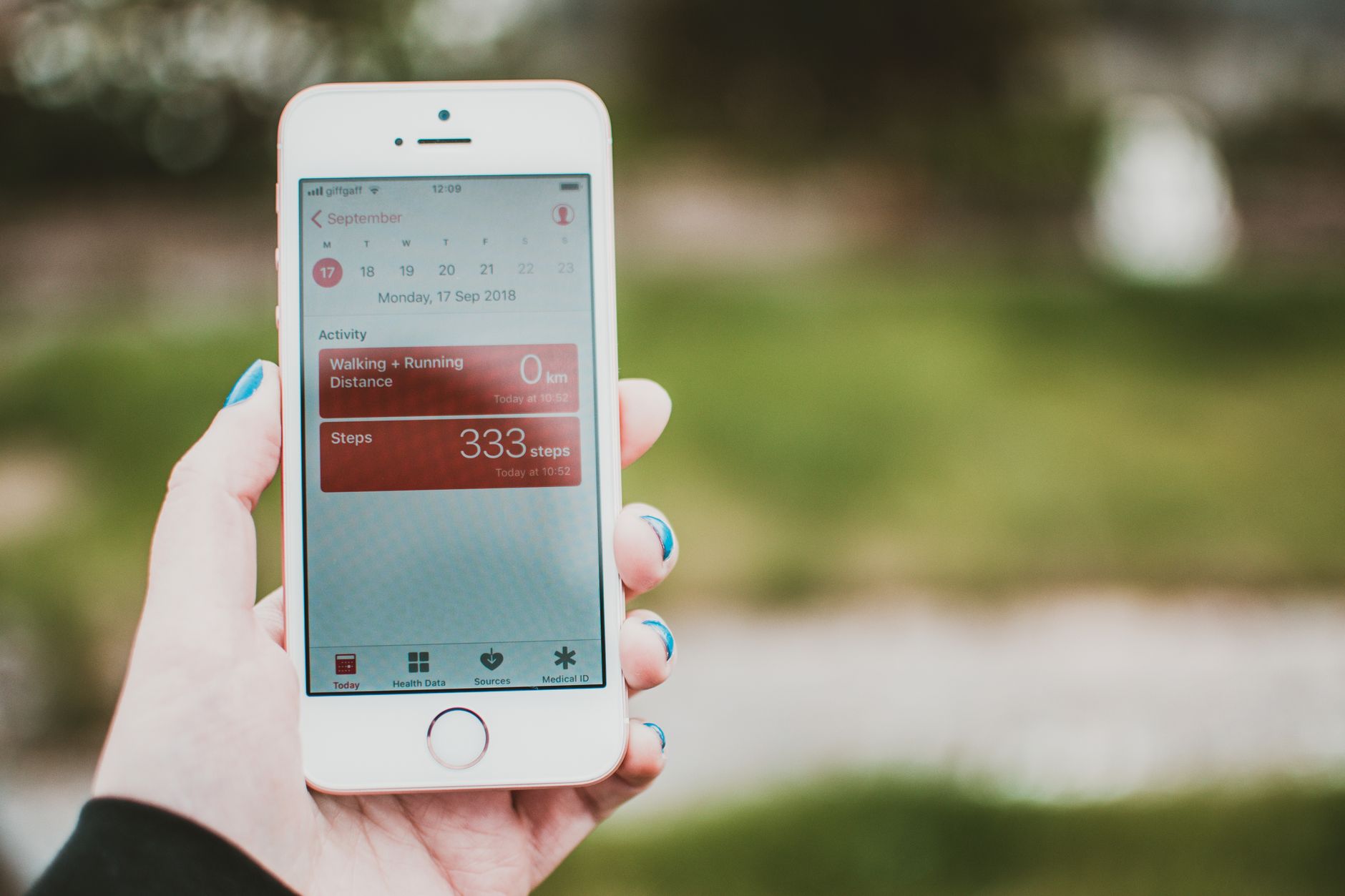
    Reviewing health app data to adjust daily health habits
    Bedtime routine with supplements and reminders supporting daily health habits

    Daily health habits FAQs

    How can I improve my daily health habits without feeling overwhelmed?

    Start with one small, realistic change at a time, such as going to bed 15 minutes earlier or adding a short walk after lunch. Use simple tools like phone reminders or a basic step counter to support that single habit. Once it feels easy and automatic, add another small change. Trying to overhaul everything at once usually leads to burnout and frustration.

    Are health apps and wearables reliable for tracking daily health habits?

    Most mainstream health apps and wearables are reasonably accurate for trends, such as whether you are generally moving more, sleeping longer or seeing your resting heart rate change over weeks. They are less reliable for precise medical measurements. Use them as guides to support healthier routines, but always rely on healthcare professionals for diagnosis and medical decisions.

    Do I need supplements if I already have healthy daily health habits?

    If you eat a varied, balanced diet and have no diagnosed deficiencies, you may not need extra supplements. However, some groups have specific needs, such as vitamin D in low sunlight months or folic acid during pregnancy. It is best to check official health guidance and speak with a doctor or pharmacist before starting regular supplements, especially if you take other medication.

  • How Health Tech Hubs Are Changing Local Healthcare

    How Health Tech Hubs Are Changing Local Healthcare

    Health tech hubs are quietly reshaping how we access care, manage long term conditions, and think about everyday wellbeing. These are local centres and services that blend clinicians, digital tools, and community support to make healthcare faster, more personal, and easier to reach.

    What are health tech hubs?

    At their core, health tech hubs bring together people, data, and devices in one place. They might be based in a clinic, a community space, or partly online, but they share a few common features:

    • Face to face access to nurses, GPs, or allied health professionals
    • Digital tools like apps, remote monitoring devices, or online triage
    • Clear signposting to local services, from mental health support to exercise groups
    • Simple education around lifestyle, supplements, and self management

    Centres like HealthPod Mansfield show how this can work in practice, with tech used to support conversations rather than replace them.

    How health tech hubs improve everyday care

    When done well, health tech hubs can remove some of the friction that makes looking after your health feel overwhelming. A few practical examples:

    • Faster triage: Symptom checker tools and secure messaging help staff decide who needs urgent attention and who can be safely managed with advice.
    • Remote checks: Blood pressure cuffs, glucose monitors, or pulse oximeters can send readings to clinicians, cutting unnecessary appointments.
    • Joined up records: Shared digital notes mean you repeat your story less and get more consistent advice.

    For people with conditions like diabetes, asthma, or heart disease, this can mean fewer crises and more steady control. The National Institute for Health and Care Excellence (NICE) has highlighted that structured education and regular monitoring improve outcomes for many long term conditions, and hubs are one way to deliver both in real life.

    Supplements, lifestyle and the role of tech

    Many of us turn to supplements when we feel tired, stressed, or run down. Health tech hubs can help separate useful options from marketing hype. For example, the NHS advises that most adults in the UK should consider a daily vitamin D supplement during autumn and winter, especially if they get little sun exposure. A hub can:

    • Review your current medicines and supplements to check for clashes
    • Explain what evidence exists for things like omega 3, probiotics, or magnesium
    • Help you track symptoms or side effects in an app so changes are easier to spot

    Tech does not replace clinical judgement, but it can make it easier to notice patterns, such as whether a new supplement genuinely helps your sleep or mood over several weeks.

    Mental wellbeing and digital support

    Mental health is where health tech hubs can make a real difference. Short chats with a nurse or therapist, backed up by digital tools, can help people get support earlier. Evidence from organisations like the NHS and Mind shows that guided self help, cognitive behavioural therapy (CBT) apps, and regular check ins can reduce symptoms of mild to moderate anxiety and depression for many people.

    A hub might offer mood tracking apps, online CBT programmes, or video sessions, alongside in person groups or one to one appointments. The tech makes it easier to reach out on a difficult day, while the human element keeps care grounded and compassionate.

    What to expect if you visit a health tech hub

    A first visit is usually straightforward. You might:

    • Fill in a short digital questionnaire about your health and goals
    • Have basic checks such as blood pressure, weight, or blood tests if needed
    • Talk through lifestyle, sleep, supplements, and any worries you have
    • Be shown apps or devices that could help you track progress

    You should always be able to ask why any test, device, or supplement is being suggested, and what evidence sits behind it. Good hubs are transparent and encourage questions.

    How to use these solutions wisely

    To get the most from these solutions, keep a few principles in mind:

    Woman using remote care tools linked to health tech hubs while managing her wellbeing at home
    Healthcare team collaborating in health tech hubs using shared digital health data

    Health tech hubs FAQs

    What are health tech hubs in simple terms?

    Health tech hubs are local services that combine healthcare professionals with digital tools such as apps, remote monitoring devices, and online triage. They aim to make it easier to get timely advice, manage long term conditions, and access mental health or lifestyle support in one connected place.

    Can health tech hubs replace my GP?

    No, health tech hubs are designed to complement, not replace, your GP. They can handle some monitoring, education, and early support, which may reduce the number of urgent appointments you need. Complex diagnoses, medication changes, and serious symptoms should still be discussed with your GP or emergency services as appropriate.

    Do health tech hubs recommend supplements?

    Some health tech hubs will discuss supplements, but responsible services base their advice on guidance from trusted bodies such as the NHS and NICE. They should review what you already take, explain the evidence for any new supplement, and check for possible interactions with your medicines before making suggestions.

  • The Dark Side of Wellness: Why Supplement Scams Keep Winning

    The Dark Side of Wellness: Why Supplement Scams Keep Winning

    The wellness industry is bloated with hype, and supplement scams are feeding on people who are desperate, tired and misled. If you think that sounds harsh, good. It should. Your health is not a playground for marketers.

    Why supplement scams are exploding

    Supplements are barely regulated compared to medicines. In the UK, most products are sold as foods, not drugs. That means they do not have to prove they work before they hit the shelves. The NHS makes it clear: most people can get all the nutrients they need from a balanced diet, and only a few supplements, like vitamin D in winter or folic acid in pregnancy, are broadly recommended.

    Despite that, you are bombarded with miracle claims: reset your hormones, fix your gut, cure your anxiety, reverse ageing. None of this is properly proven. The UK Medicines and Healthcare products Regulatory Agency (MHRA) and the Advertising Standards Authority (ASA) regularly pull up companies for misleading health claims, but by the time one brand is slapped on the wrist, another ten have appeared.

    How supplement scams hook you in

    The tactics are boringly predictable, but they work. Here is what to watch for:

    • Vague promises: “supports immunity”, “boosts metabolism”, “balances hormones”. These phrases sound scientific but are too fuzzy to measure.
    • Cherry-picked studies: One tiny trial on mice becomes “clinically proven” in humans. Proper evidence comes from multiple, well-designed human studies, not one convenient paper.
    • Fake urgency: Countdown timers, “only 3 bottles left”, or “new breakthrough banned by Big Pharma”. If it was that powerful, your GP would know about it.
    • Before-and-after photos: Easy to fake, impossible to verify. Lighting, posing and editing do the heavy lifting.
    • Influencer worship: Someone with abs and a ring light is not a medical source. The NHS, NICE guidelines and peer-reviewed journals are.

    Supplement scams and mental health

    The ugliest part of this industry is how it targets people with anxiety, depression, ADHD and burnout. You will see “natural alternatives” to antidepressants, “focus pills” for ADHD, and powders that promise to fix your mood in a week. That is dangerous. The Royal College of Psychiatrists and NHS guidance are clear: evidence-based treatments for mental health are medication, talking therapies and lifestyle changes, not random capsules off social media.

    Some supplements can interact with prescription drugs. St John’s wort, for example, can affect the way many medicines work, including antidepressants and the contraceptive pill. That is not a rumour – it is documented in NHS guidance. If a brand does not clearly warn about interactions, it does not care enough about you.

    How to check if a supplement is worth your time

    Not every product is a scam, but treat all of them as guilty until proven otherwise. Here is a blunt checklist:

    • Is there NHS or NICE backing? If official UK health bodies recommend it for your situation, that is a good sign.
    • Can you find multiple human studies? Look for randomised controlled trials in humans, not cell cultures or rat studies.
    • Are the doses realistic? A sprinkle of an ingredient that showed benefits at 1,000 mg in a study is pointless at 10 mg in your capsule.
    • Is the label honest? Clear ingredients, clear doses, no “proprietary blends” hiding what you are actually taking.
    • Is the marketing humble? Real science talks in probabilities and maybes, not guarantees and miracles.

    Why reviews and rankings are not enough

    Online reviews are easy to fake and even easier to manipulate. Comparison sites, affiliate blogs and “top 10” lists often exist to push higher-paying products, not better ones. Even tools and platforms that help brands get coverage, like LinkVine, can be used to amplify nonsense if no one is checking the science behind the claims.

    If a product is everywhere overnight, plastered across influencers, blogs and news-style articles, assume someone has paid a lot of money to make that happen. Visibility is not proof. Evidence is.

    Practical rules to protect yourself from supplement scams

    If you want simple, brutal guidelines, use these:

    Doctor reviewing a patient’s products and explaining the risks of supplement scams
    Sceptical person scrolling wellness adverts online, spotting supplement scams

    Supplement scams FAQs

    How can I quickly spot supplement scams?

    Look for red flags: miracle claims, vague promises like “detox” or “balance”, no clear dosing, and heavy reliance on influencers instead of proper medical sources. Check whether the NHS, NICE or other reputable health bodies actually recommend the ingredient for your issue. If all the “proof” comes from the brand itself, assume it is marketing, not medicine.

    Are all supplements a waste of money?

    No, not all supplements are useless, but most are oversold. Vitamin D, folic acid in pregnancy, and certain clinically dosed nutrients can be useful in specific situations, as recognised by NHS guidance. The problem is when brands stretch limited evidence into big promises. Start from your actual deficiencies and medical needs, not from whatever is trending on social media.

    Can supplement scams be dangerous, or just expensive?

    Supplement scams can be both. At best, you waste money and delay getting real help. At worst, ingredients can interact with medicines, cause side effects or stop you seeking proper treatment. St John’s wort, for example, can interfere with antidepressants and the contraceptive pill. Always check with a healthcare professional before adding new products, especially if you already take medication.

  • Nootropics For Focus: Hype, Evidence And Hard Truths

    Nootropics For Focus: Hype, Evidence And Hard Truths

    If you are looking at nootropics for focus because work or exams are frying your brain, you are the target of a very profitable hype machine. The promise is simple: swallow a few pills, unlock god-tier concentration, and outwork everyone. Reality is messier, and less magical.

    What people mean by nootropics for focus

    “Nootropics” has become a catch-all label for anything sold as a brain booster. In practice, most stacks pushed at tech workers and students fall into a few groups:

    • Caffeine-based stimulants – coffee, energy drinks, tablets, pre-workouts.
    • Amino acids and simple compounds – L-theanine, L-tyrosine, creatine.
    • Prescription drugs – modafinil, methylphenidate, amphetamines, usually off-label or shared.
    • Herbal blends – ginkgo, Bacopa monnieri, rhodiola, ashwagandha, lion’s mane, often mixed with B vitamins.

    Marketers bundle these into “smart” stacks and imply you will become a productivity machine. The science does not back most of those promises.

    What the evidence actually says about nootropics for focus

    Let us be blunt: you cannot supplement your way out of sleep deprivation, chronic stress and a terrible diet. The strongest cognitive effects in research usually come from the basics, not exotic powders.

    Caffeine and L-theanine

    Caffeine is one of the few substances with solid evidence. Reviews in journals like Psychopharmacology show it can improve alertness, reaction time and sustained attention in the short term. L-theanine, an amino acid from tea, seems to smooth out caffeine’s jittery edge and may support attention and working memory when combined with it, according to controlled trials published in Nutrients. Useful, yes. Superhuman, no.

    Modafinil and other prescription stimulants

    Modafinil is prescribed for narcolepsy and sleep disorders. Some studies, including work reviewed in European Neuropsychopharmacology, show modest improvements in attention and executive function in healthy people, mainly on demanding tasks. But there are catches: headaches, insomnia, anxiety, appetite loss, and unclear long-term safety when abused. With ADHD drugs, the picture is similar – they can sharpen focus for some, but they are not risk-free productivity hacks. Using prescription stimulants without medical supervision is playing chemist with your brain.

    Herbal and “natural” stacks

    Herbal nootropics sound safe and ancient. The evidence is patchy. Bacopa monnieri has some data from trials reported in journals like Psychopharmacology showing small improvements in memory over weeks to months, but it also causes gut issues in many people. Ginkgo has mixed results, with several large studies showing little to no cognitive benefit in healthy adults. Lion’s mane and ashwagandha are trending hard, but current human data is limited and often low quality. “Natural” does not mean effective, and it does not mean safe.

    The real risks of chasing endless brain boosts

    People talk about nootropics for focus as if the worst outcome is wasting money. That is naĂŻve. The risks are dull but serious:

    • Sleep wrecked by stimulants – Caffeine and prescription stimulants can destroy sleep architecture, which in turn crushes memory, mood and learning.
    • Dependence and tolerance – You adapt. The same dose hits less. You push higher. That is how dependence creeps in.
    • Heart and blood pressure strain – Stimulants raise heart rate and blood pressure. If you already have issues, this is not trivial.
    • Psychological crutch – Relying on pills to work or study can kill your confidence in your own baseline ability.
    • Contamination and mislabelling – Supplement quality is inconsistent. Independent testing often finds wrong doses or undeclared substances.

    If you have an underlying condition, are on medication, or are pregnant or breastfeeding, you should be speaking to a health professional before touching any of this.

    Who might actually benefit from nootropics for focus?

    There are people who can genuinely benefit from targeted compounds, under medical care. Someone with diagnosed ADHD may get life-changing improvements from prescribed stimulants. A person with a clear nutrient deficiency might see cognitive gains from correcting it. That is not the same as a healthy student swallowing random stacks during exam season because TikTok said so.

    For most healthy adults, the marginal gains from legal nootropics are small compared with boring fundamentals: consistent sleep, regular exercise, blood sugar control, sufficient protein, hydration, and a realistic workload. Those are not glamorous, but they are what actually move the needle.

    Mixed supplements and prescription drugs laid out as nootropics for focus on a work desk
    Stressed student considering nootropics for focus during exam revision

    Nootropics for focus FAQs

    Are nootropics for focus safe to use every day?

    Daily use of nootropics for focus is not automatically safe. Long term data for many popular compounds is limited, and stimulants like caffeine and prescription drugs can lead to tolerance, dependence, sleep disruption and cardiovascular strain. If you have health conditions, take other medication, or are considering daily use, you should discuss it with a qualified medical professional rather than relying on marketing claims.

    Which nootropics for focus have the strongest evidence?

    Right now, the best evidence for nootropics for focus is for caffeine, especially when combined with L-theanine, and for prescribed stimulants or modafinil in people who actually need them under medical supervision. Some herbal options like Bacopa monnieri have modest data for memory over time, but the effects are small and side effects are common. Most flashy stacks have weak or inconsistent human research behind them.

    Can nootropics for focus replace sleep and good habits?

    No. Nootropics for focus cannot compensate for chronic sleep loss, poor diet, inactivity and constant stress. Research on cognition repeatedly shows that sleep quality, physical activity and metabolic health have far larger impacts on attention, memory and decision making than any supplement. Stacking pills on top of a wrecked lifestyle is like polishing a car with no engine – it looks busy but goes nowhere.

  • The Dark Side Of Supplement Stacks: What Your Bloodwork Is Really Saying

    The Dark Side Of Supplement Stacks: What Your Bloodwork Is Really Saying

    If you care about health and performance, you probably take supplements. Fine. But if you are running aggressive supplement stacks and bloodwork is not part of your routine, you are basically experimenting on yourself blind.

    Why supplement stacks and bloodwork belong together

    Most people build stacks based on hype, not data. Then they are shocked when they crash. Blood tests are not a nice extra – they are the only way to see what your stack is actually doing inside your body.

    Basic panels can show liver enzymes, kidney function, blood lipids, iron status, B12, folate, vitamin D, blood sugar control and inflammation markers. Authoritative health bodies and clinical guidelines are clear: these markers matter for long term health and drug or supplement safety, even if you “feel fine”. If you are swallowing a handful of pills every morning, pretending you do not need this information is denial.

    How supplement stacks quietly wreck your liver and kidneys

    Your liver and kidneys clear the rubbish. Overload them and they will complain – just not loudly at first. Studies on high dose vitamin A, niacin, some herbal extracts and bodybuilding products have linked them with raised liver enzymes and, in extreme cases, serious damage. Creatine and high protein intake are usually safe for healthy people, but if your kidneys are already struggling, you will not know without tests.

    Bloodwork lets you track ALT, AST, GGT and creatinine. If those numbers creep up after you start or ramp up a stack, that is your warning. Ignore it and you are gambling with organ function for the sake of “extra focus” or a slightly better pump.

    Deficiencies, overdoses and why you feel tired on a ‘perfect’ stack

    People assume more supplements equal fewer deficiencies. Reality: messy supplement stacks often create new problems. Mega dosing zinc can drag down copper. Hammering vitamin D without checking levels can push calcium too high. High dose B6 has been linked with nerve issues in some people. These are not theories – they are documented in medical literature and case reports.

    So when your “energy stack” leaves you exhausted, it might not be stress or age. It might be that you have low ferritin from poor diet, or you have pushed one nutrient into toxic territory while ignoring another. Only bloodwork shows that. Some UK clinics and digital health services now build protocols around regular nutrient testing for exactly this reason, and it is not overkill – it is basic risk management.

    How often should you test if you run big stacks?

    If you take a simple multivitamin and the odd protein shake, your GP’s routine checks are probably enough. If you run complex supplement stacks and bloodwork is your safety net, you need more structure.

    A blunt framework:

    • Before starting a serious stack: get baseline labs.
    • Three months after starting or changing doses: repeat.
    • Every 6 to 12 months after that: monitor, or sooner if you add harsh fat burners, stimulants or high dose fat soluble vitamins.

    This is not “biohacker luxury”. It is the minimum if you are self prescribing combinations that would never pass a proper clinical trial together.

    Red flags your stack is not working for you

    Ignore marketing. Listen to your body and your labs. Red flags include persistent fatigue, brain fog, gut issues, insomnia, random anxiety spikes, or unexplained weight changes. If those line up with abnormal blood markers, your stack is the first suspect.

    Look at trends, not single numbers. If your cholesterol, liver enzymes or fasting glucose climb after you add a new supplement, that is a clue. Some performance focused clinics quietly admit they spend half their time undoing the damage caused by over the counter stacks people copied from influencers.

    How to simplify a bloated stack without losing the benefits

    If your cupboard looks like a small shop, you have gone too far. Strip it back. Keep a few things that are evidence backed for your actual issues – for example vitamin D if you are genuinely low, creatine for strength and cognition, omega 3 if your diet is poor. Then use bloodwork to confirm they are helping, not harming.

    Doctor and patient analysing charts to assess supplement stacks and bloodwork
    Organised pills and lab reports showing the connection between supplement stacks and bloodwork

    Supplement stacks and bloodwork FAQs

    Which blood tests are most important if I use large supplement stacks?

    At a minimum, you want liver enzymes (ALT, AST, GGT), kidney markers (creatinine, eGFR), a full blood count, lipid profile, fasting glucose or HbA1c, and key nutrients like vitamin D, B12, folate and iron studies. If you use high dose fat soluble vitamins, stimulants or bodybuilding products, more detailed testing may be sensible. A qualified medical professional can advise based on your history and current stack.

    Can supplements damage my liver or kidneys even if they are sold legally?

    Yes. Legal does not equal harmless. There are published case reports of liver injury and kidney stress linked to high dose vitamins, herbal blends and bodybuilding products. Many issues develop slowly, with no obvious symptoms at first. That is why regular bloodwork is recommended in clinical guidance when people use long term or high dose substances that affect metabolism, even if they are available over the counter.

    How quickly will bloodwork improve after I fix a bad supplement stack?

    It depends what was wrong. Mildly raised liver enzymes can sometimes fall back towards normal within weeks after stopping the offending product and improving diet, but deeper nutrient deficiencies or metabolic issues can take months. The key is to change one thing at a time, retest on a sensible schedule, and work with a healthcare professional if your results are far outside normal ranges or do not improve.