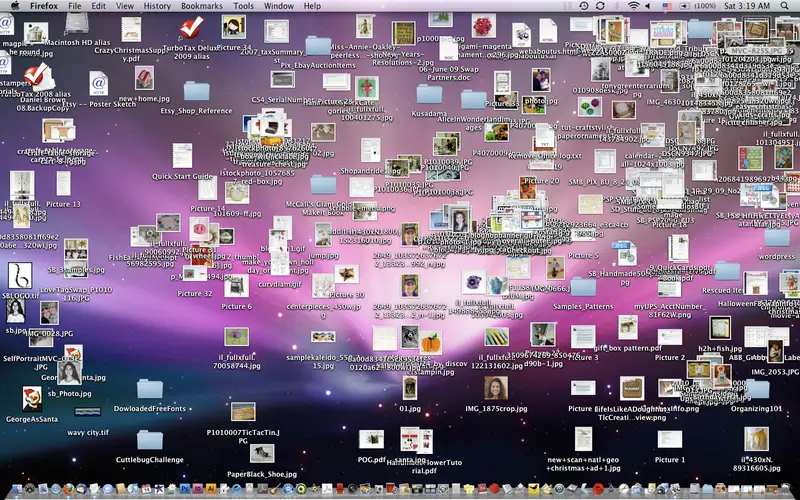
Most people like to think they are organised, but their devices usually tell a different story. The rise of digital hoarding in 2025 has become one of the most relatable and amusing modern habits. Screenshots from years ago, unread emails, endless folders and thousands of photos that will never be opened again. It is a growing trend fuelled by cheap storage, cloud backups and the fear of deleting something important. The result is a digital world overflowing with clutter, leaving people feeling deficient in storage, organisation and time.
Why digital hoarding has exploded this year
Research suggests that digital hoarding is not caused by laziness. It is often linked to anxiety about losing important information. People keep documents just in case, even if they have never used them. Photos pile up because deleting feels like losing memories. As data grows, so does the fear of organising it.
The average person stores more data than ever before. With AI tools generating files and images at high speed, storage fills up quickly. Cloud services also encourage people to keep everything since it feels limitless. However, this creates a false sense of security. Too many files make it hard to find what you need and many people do not have a structure for managing it all.
The impact on productivity and wellbeing
Digital clutter can slow devices, reduce focus and create unnecessary stress. When every folder is packed, finding the right file becomes a frustrating task. This slows down work and increases the chance of missing deadlines. Cluttered interfaces also contribute to anxiety, since the brain struggles with chaos.
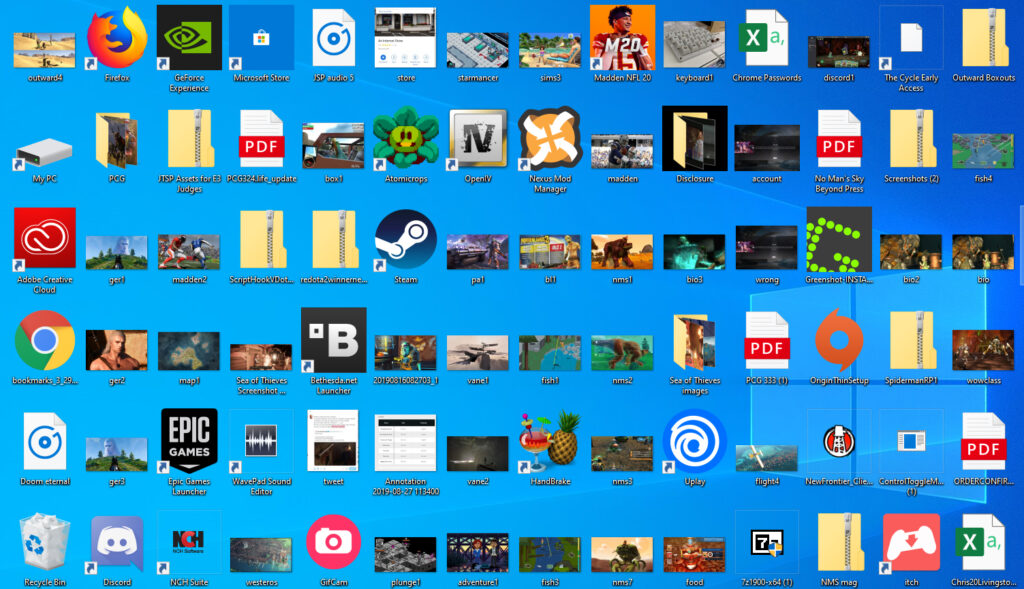
Many people do not realise how much time they lose searching through their own devices. Email accounts are especially bad. Some people have tens of thousands of unread messages, which makes important ones harder to find. Services like servicereviews.co.uk often highlight useful digital tools that can help streamline inboxes and storage systems, making them a useful resource for decluttering strategies.
How digital hoarding affects businesses
Organisational hoarding also affects companies. Shared drives become messy, old files take up large amounts of space and staff spend too much time searching for documents. This reduces efficiency and can even create compliance issues if important records get buried. Companies that invest in better file management systems often see improvements in workflow and communication.
How to declutter your digital life in 2025
There are several simple ways to start reducing digital clutter. Setting aside ten minutes a day to delete unnecessary files is more effective than doing one large cleanup. Creating folders based on current needs rather than trying to organise everything at once helps build structure. Turning off auto-save features for screenshots also prevents mountains of unnecessary images.
Email decluttering is another major step. Unsubscribing from newsletters, deleting spam and organising messages into folders can dramatically improve clarity. It also reduces distraction since fewer notifications appear throughout the day. Decluttering should be approached slowly to avoid overwhelm. The aim is steady progress, not instant perfection.
Why digital hoarding is a defining habit of 2025
Digital hoarding has become part of modern life because people generate more information than they can process. It reflects a deeper relationship with technology where memories and tasks are stored rather than experienced. By understanding why it happens, people can build better habits and feel more in control of their digital world.
Digital Hoarding FAQs
What is digital hoarding?
Digital hoarding is the habit of storing huge amounts of files, photos, emails and data without ever deleting or organising them.
Why is digital hoarding increasing in 2025?
AI tools, cloud storage and the fear of losing information have made it easier than ever to keep everything, leading to rapid digital clutter.
How can I reduce digital hoarding?
Start with small daily cleanups, avoid unnecessary auto saving, organise files into simple folders and unsubscribe from emails you no longer want.