Everyone says wearable health tech will make you fitter, calmer and more in control. For some people, it does. For a lot of others, it quietly wrecks their head while pretending to help. If your watch is barking at you more than your boss, you have got a problem, not a lifestyle upgrade.
What wearable health tech actually does to your brain
On paper, it is simple. Track your sleep, heart rate, steps and workouts, then “optimise” your life. In reality, constant numbers trigger constant judgement. Research on self-tracking has linked obsessive monitoring with higher stress and anxiety, especially around sleep and weight. The more you stare at the metrics, the less you listen to your body.
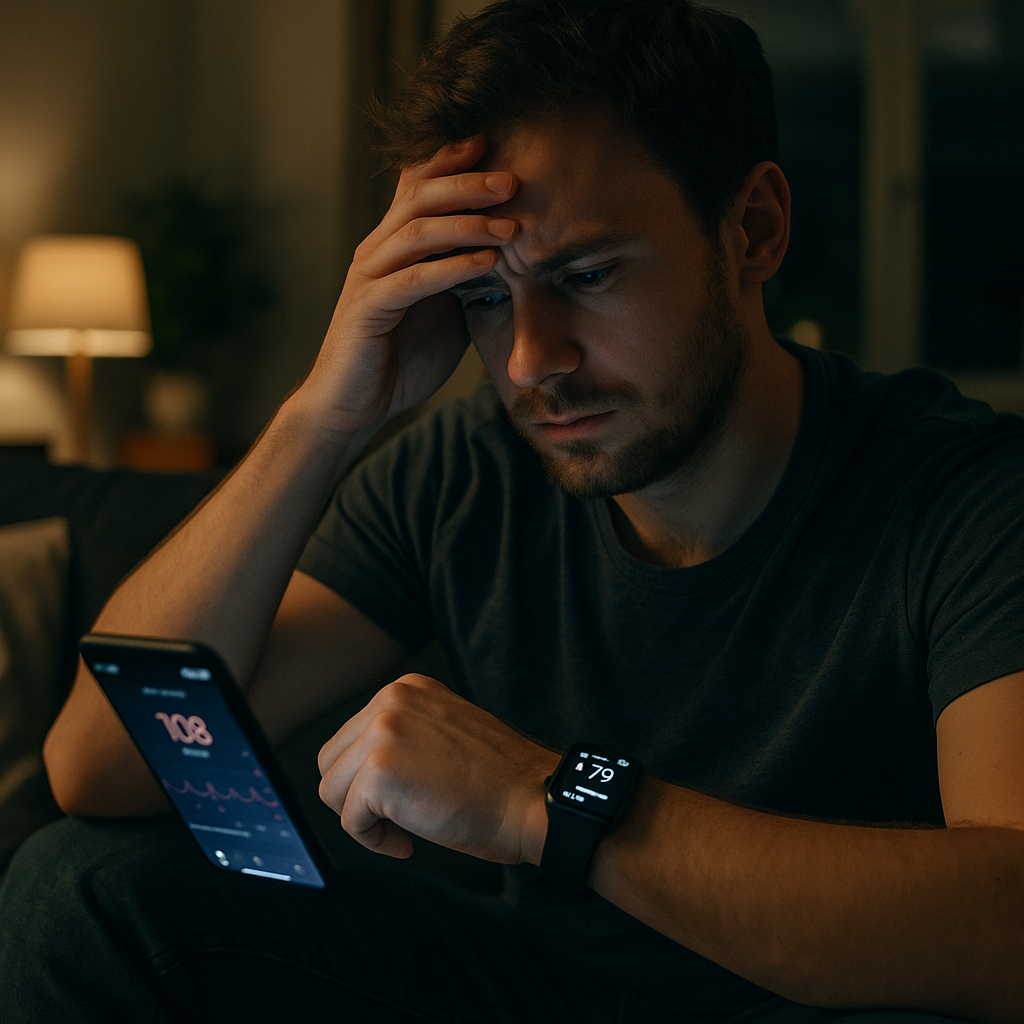
Sleep is the worst offender. Studies in the journal Behavioural Sleep Medicine describe “orthosomnia” – people becoming so fixated on sleep scores that their sleep gets worse. You lie there, watching the clock, worrying about your “readiness” score for tomorrow. That is not biohacking, it is self-sabotage.
Add in constant notifications and you are training your brain to live in micro-stress mode. Tiny hits of “You have not moved for 50 minutes” or “Your heart rate is elevated” all stack up. Chronic low-level stress is still chronic stress. Over time, that feeds burnout, not resilience.
When wearable health tech helps – and when it clearly does not
It is not all bad. Used like a tool instead of a religion, this tech can be useful. Activity trackers can nudge genuinely sedentary people to move more. Heart rate data can flag overtraining before you crash. Some devices can even spot irregular heart rhythms that need a GP check. There is decent evidence that simple step-tracking can increase daily movement in inactive adults.
Here is the line in the sand: if your device helps you notice trends and make calm changes, fine. If it dictates your mood, your training and whether you are “allowed” to feel tired or happy, you are owned by a gadget.
Brutal truth: if you skip a workout because your watch says your recovery score is low, but you actually feel energised, you have outsourced common sense. Those algorithms are built on population data and assumptions, not your full medical history.
How to stop your tracker running your life
If you are not ready to bin the device, at least stop letting it drive the car. Start with boundaries:
- Turn off non-essential notifications. You do not need a buzz for every 250 steps.
- Stop checking sleep scores first thing. Ask yourself how you feel before you look.
- Use weekly averages, not daily swings, to judge progress.
- Ignore calorie burn estimates – they are often wildly inaccurate according to multiple lab validation studies.
Then add some reality checks. If your watch says your sleep was “poor” but you woke up clear-headed, trust your brain. If your stress score is high but you feel fine, maybe your strap was loose or you had caffeine. Data errors happen. Your body is not a dashboard.
And if you have existing anxiety, disordered eating, body image issues or obsessive tendencies, be blunt with yourself. Constant tracking can pour petrol on that fire. Talk to a GP or mental health professional before you bury yourself in metrics. The NHS and NICE guidelines both stress that digital health tools should support, not replace, clinical advice.
Supplements, events and using tech without losing the plot
People often stack supplements on top of gadgets and hope for miracles. A magnesium tablet will not fix stress caused by your watch screaming at you all day. Evidence from sources like Examine.com and PubMed is clear: most common supplements have modest effects at best. If your lifestyle is chaos, pills and trackers just give you expensive numbers.
If you want to use your device around real life, use it to support experiences, not obsess over them. Track your heart rate during a gig or a race, then put your wrist down and actually enjoy it. If you are trying to find local events, use the tech to get you there, not to judge how many calories you burned dancing.

Wearable health tech FAQs
Is wearable health tech actually accurate?
It depends what you are expecting from it. Step counts and resting heart rate are usually decent for everyday use, but calorie burn and sleep stages can be way off compared to clinical equipment. Most consumer devices are designed for trends, not medical-grade precision. Treat the numbers as rough guides and always talk to a healthcare professional if you are worried about symptoms, not just scores.
Can wearable health tech make anxiety worse?
Yes, for some people it absolutely can. Constant monitoring can trigger health anxiety, sleep anxiety and obsessive checking, especially if you already lean that way. Research on self-tracking and orthosomnia shows that chasing perfect scores can backfire and increase stress. If your mood rises and falls with your daily stats, it is a sign you need to step back or turn some features off.
How should I use wearable health tech in a healthy way?
Use it to notice long-term patterns, not to judge every single day. Turn off most notifications, stop checking sleep scores the second you wake up and focus on weekly averages rather than daily spikes. Let how you feel in your body matter more than what the app says. And if you have ongoing health concerns, use your data as a conversation starter with a qualified clinician, not a replacement for proper medical advice.