The market for health wearables has shifted considerably. Devices no longer just count steps or log sleep hours; they now run on-device machine learning models that claim to detect atrial fibrillation, predict illness before symptoms appear, and even estimate your biological age. If you are trying to make a sensible decision about the best AI health wearables 2026 has available, the noise is significant. Here is what actually matters.
What the Top AI Health Wearables Are Claiming Right Now
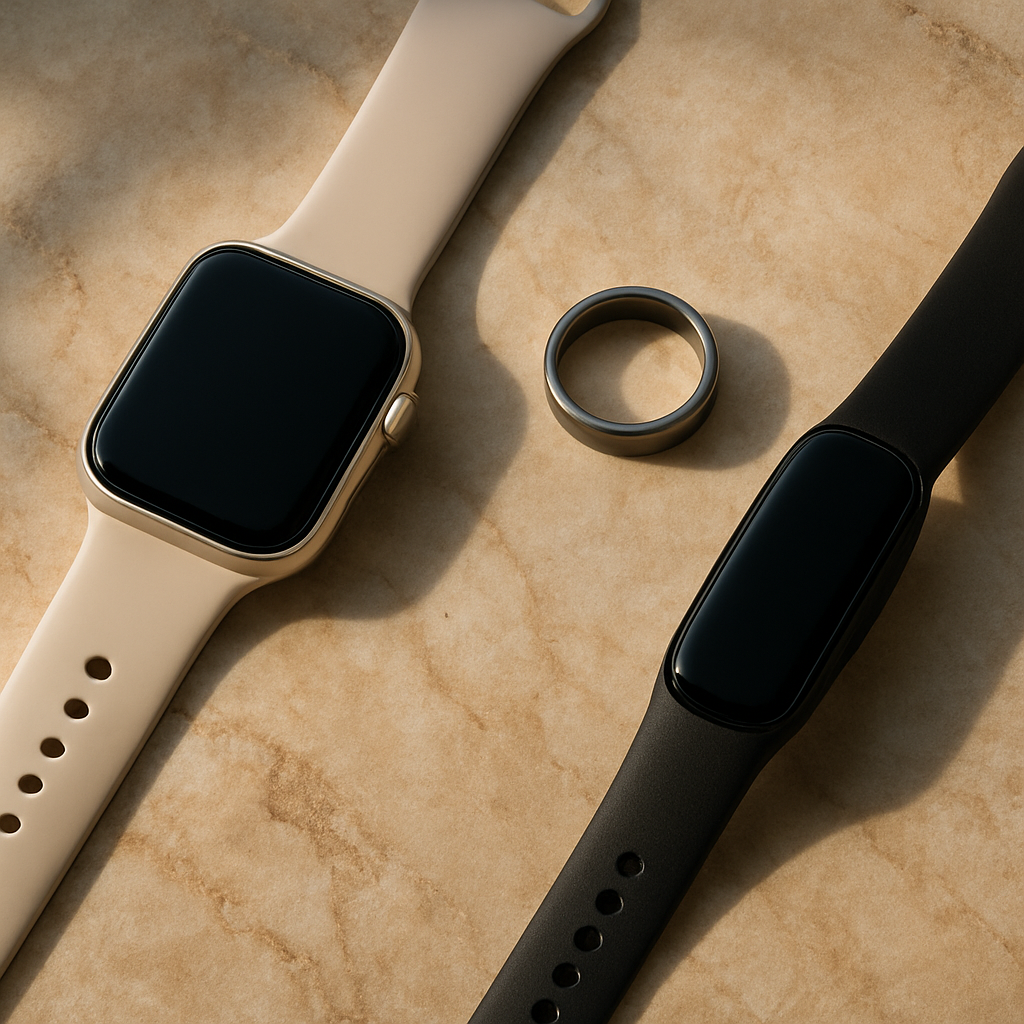
The headline devices in 2026 sit across three form factors: wrist-worn smartwatches, finger rings, and chest-worn patches. Apple Watch Series 10, Samsung Galaxy Watch 7, Oura Ring Generation 4, and the Whoop 5.0 are the most widely referenced. Each uses a combination of photoplethysmography (PPG), skin temperature sensors, accelerometers, and in some cases electrical heart sensors (ECG) to generate health scores.
The claims vary in credibility. ECG-based atrial fibrillation detection on the Apple Watch has peer-reviewed backing. A 2023 study published in the New England Journal of Medicine found the Apple Watch’s AFib history feature had a 98% positive predictive value in confirmed AFib cases, though sensitivity in asymptomatic populations remains debated. Claims around “readiness scores”, stress detection, and metabolic health are on shakier ground, often built on proprietary algorithms with limited independent validation.
Accuracy: Where the Science Holds Up and Where It Does Not
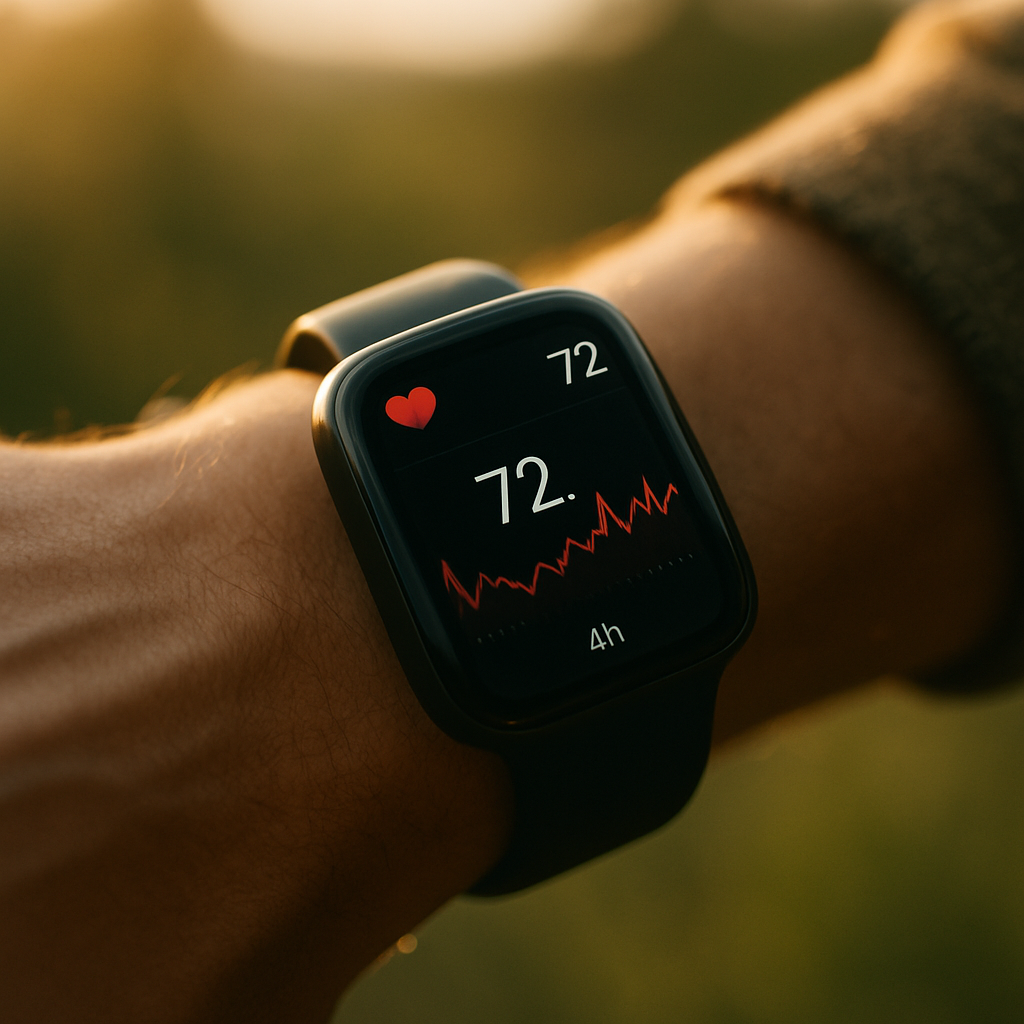
Heart rate monitoring during rest is reliably accurate across most major devices, with error margins typically within two to three beats per minute according to research reviewed by the American Heart Association. During high-intensity exercise, however, PPG-based wrist sensors can drift significantly. A 2022 analysis in the Journal of Medical Internet Research found wrist-worn optical sensors showed up to 15% error at heart rates above 150 bpm during interval training.
Sleep staging is where marketing tends to outrun science. Devices that label your sleep as “deep”, “REM”, or “light” are doing so without EEG data, which is the clinical gold standard. Consumer-grade wearables estimate sleep stages from movement and heart rate variability, a methodology that has been shown in multiple studies to underperform compared to polysomnography. The Oura Ring has fared better than most in comparative research, but it is still an approximation, not a diagnosis.
SpO2 (blood oxygen) monitoring has attracted criticism, including an FDA advisory in 2023 noting that optical sensors can produce inaccurate readings in people with darker skin tones. This remains an unresolved issue across most consumer devices.
Data Privacy: What Happens to Your Health Information
This is the part most review articles skip. Health data collected by wearables sits in a legally grey area in the UK. Under GDPR, health data is classified as a special category requiring explicit consent and strong protections. However, not all wearable manufacturers are headquartered in the UK or EU, and enforcement of how that data is stored, shared with third parties, or used to train AI models varies considerably.
Apple’s Health app keeps data encrypted on-device by default and has a comparatively clear privacy framework. Whoop’s terms of service, by contrast, have historically included clauses allowing anonymised data to be used for research and product improvement, though users can opt out. Oura similarly anonymises and aggregates data for research partnerships. The important question is whether you have read and understood what you agreed to, because the health insights you receive are not free; your data is part of the exchange.
Anyone with concerns about health data privacy should review the Information Commissioner’s Office (ICO) guidance on wearable technology and health data, which was updated in 2025 and provides clear consumer rights information.
Does the AI Actually Add Anything Useful?
Separating genuine AI utility from marketing language is harder than it should be. Adaptive coaching features, which adjust recommendations based on your patterns over time, do show real value in adherence research. A 2024 paper in npj Digital Medicine found personalised wearable-based interventions improved step count and sleep consistency more than static recommendations, suggesting that machine learning personalisation has measurable impact beyond placebo.
Where the AI claims fall flat is in predictive health alerts for conditions like metabolic syndrome, early diabetes indicators, or mental health states. These features exist in prototype or early-access form on some platforms, but independent clinical validation is thin. Being told your “stress score” is elevated is only useful if the score is accurate, and right now the evidence is mixed at best.
Which Device Is Actually Worth Buying
For most people, the best AI health wearables 2026 offers come down to three practical choices. If cardiovascular health monitoring is your priority and you use an iPhone, the Apple Watch Series 10 remains the most clinically validated option. If passive recovery and sleep tracking matter more, the Oura Ring Generation 4 has the most consistent research support among ring-form devices. If you are an athlete focused on training load and performance data, Whoop 5.0 offers the most granular HRV and recovery metrics, though its subscription model adds ongoing cost.
No device replaces a GP, a blood test, or a clinical assessment. The best use of these tools is as a pattern-recognition aid over time, not a diagnostic instrument. Treat the numbers as context, not conclusions. The science behind some of these features is genuinely promising; it just has not caught up with the confidence of the marketing yet.
Frequently Asked Questions
Are AI health wearables medically accurate?
It depends on the metric. ECG-based atrial fibrillation detection on devices like the Apple Watch has strong peer-reviewed support. Features like sleep staging, stress scores, and SpO2 monitoring are less accurate and should not be treated as clinical readings. Always consult a healthcare professional for any health concerns flagged by a wearable.
What is the most accurate health wearable in 2026?
For cardiovascular metrics, the Apple Watch Series 10 has the most independently validated feature set. The Oura Ring Generation 4 performs well in sleep tracking comparisons. No single device is most accurate across all metrics; accuracy varies significantly by the specific health measure being tracked.
Do health wearables sell your data?
Most major manufacturers do not sell your raw personal data outright, but many use anonymised and aggregated data for research partnerships or product improvement. Apple has the most restrictive data practices among major players. Always read the privacy policy and check opt-out options before purchasing. UK consumers have rights under GDPR regarding special category health data.
Is the Oura Ring better than a smartwatch for health tracking?
The Oura Ring is generally considered more accurate for passive health metrics like resting heart rate, HRV, and sleep staging compared to wrist-worn devices, partly due to better blood flow readings from the finger. However, it lacks a screen and cannot perform real-time ECG. The best choice depends on which health metrics matter most to you.
Can a wearable detect illness before symptoms appear?
Some research, including studies involving Fitbit and Oura data during the COVID-19 pandemic, found that changes in resting heart rate and HRV preceded symptom onset by a day or two in some cases. This is a promising area but not a reliable standalone diagnostic tool. The evidence suggests wearables can flag anomalies worth paying attention to, not that they can definitively predict specific illnesses.