The wellness industry is bloated with hype, and supplement scams are feeding on people who are desperate, tired and misled. If you think that sounds harsh, good. It should. Your health is not a playground for marketers.
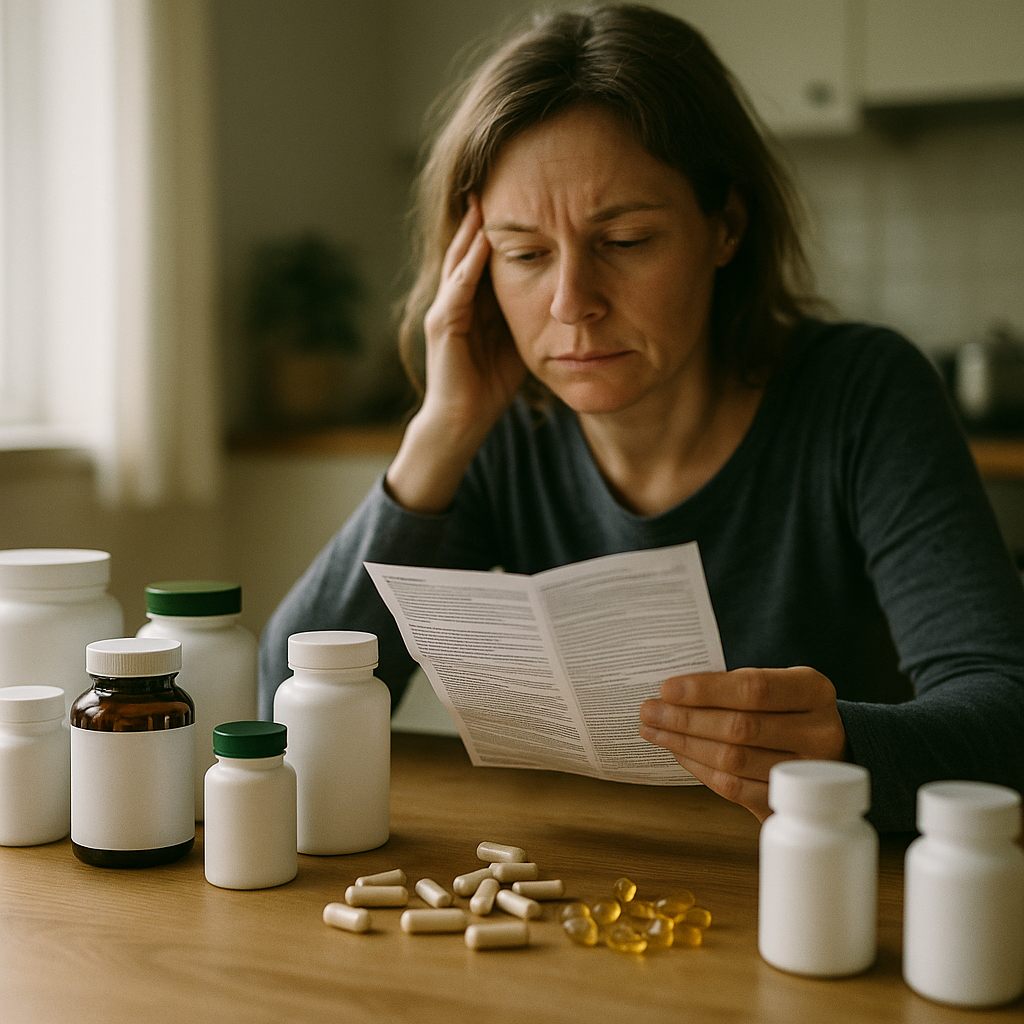
Why supplement scams are exploding
Supplements are barely regulated compared to medicines. In the UK, most products are sold as foods, not drugs. That means they do not have to prove they work before they hit the shelves. The NHS makes it clear: most people can get all the nutrients they need from a balanced diet, and only a few supplements, like vitamin D in winter or folic acid in pregnancy, are broadly recommended.
Despite that, you are bombarded with miracle claims: reset your hormones, fix your gut, cure your anxiety, reverse ageing. None of this is properly proven. The UK Medicines and Healthcare products Regulatory Agency (MHRA) and the Advertising Standards Authority (ASA) regularly pull up companies for misleading health claims, but by the time one brand is slapped on the wrist, another ten have appeared.
How supplement scams hook you in
The tactics are boringly predictable, but they work. Here is what to watch for:
- Vague promises: “supports immunity”, “boosts metabolism”, “balances hormones”. These phrases sound scientific but are too fuzzy to measure.
- Cherry-picked studies: One tiny trial on mice becomes “clinically proven” in humans. Proper evidence comes from multiple, well-designed human studies, not one convenient paper.
- Fake urgency: Countdown timers, “only 3 bottles left”, or “new breakthrough banned by Big Pharma”. If it was that powerful, your GP would know about it.
- Before-and-after photos: Easy to fake, impossible to verify. Lighting, posing and editing do the heavy lifting.
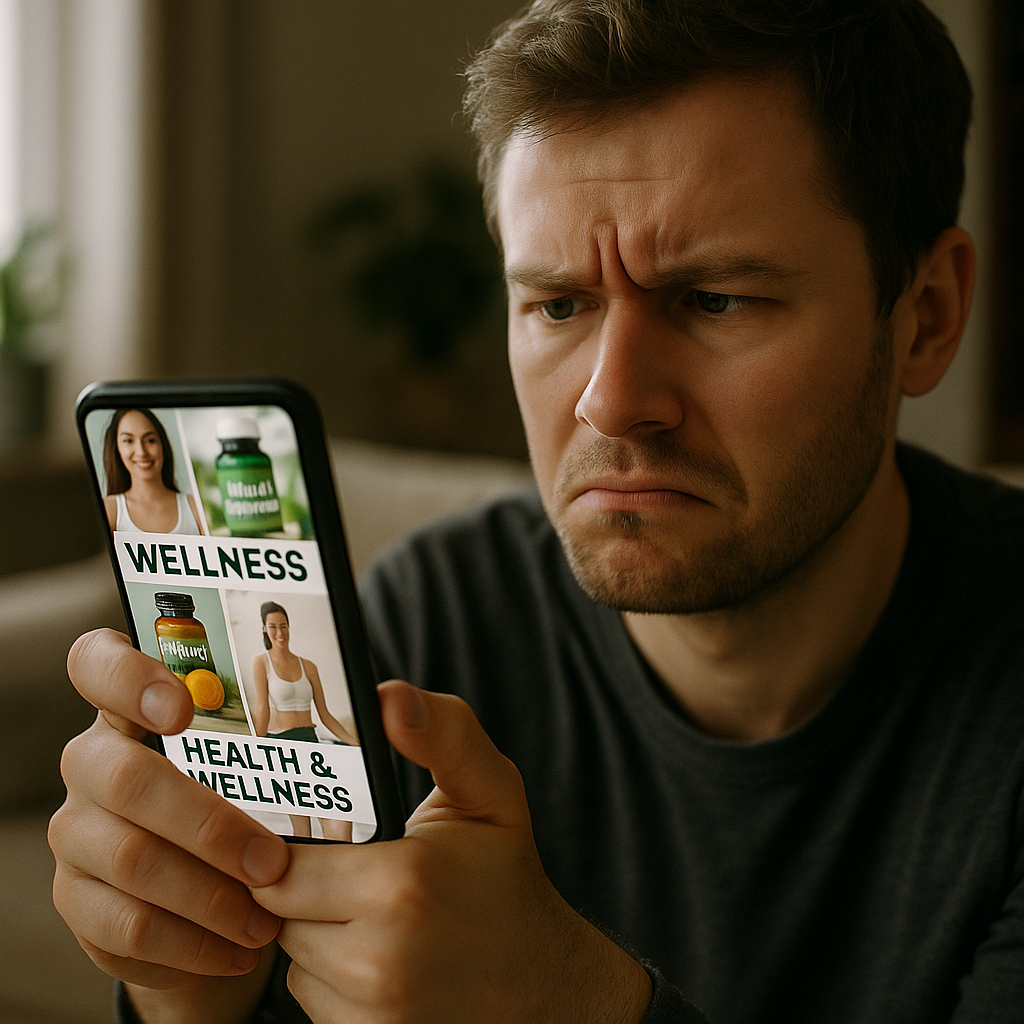
- Influencer worship: Someone with abs and a ring light is not a medical source. The NHS, NICE guidelines and peer-reviewed journals are.
Supplement scams and mental health
The ugliest part of this industry is how it targets people with anxiety, depression, ADHD and burnout. You will see “natural alternatives” to antidepressants, “focus pills” for ADHD, and powders that promise to fix your mood in a week. That is dangerous. The Royal College of Psychiatrists and NHS guidance are clear: evidence-based treatments for mental health are medication, talking therapies and lifestyle changes, not random capsules off social media.
Some supplements can interact with prescription drugs. St John’s wort, for example, can affect the way many medicines work, including antidepressants and the contraceptive pill. That is not a rumour – it is documented in NHS guidance. If a brand does not clearly warn about interactions, it does not care enough about you.
How to check if a supplement is worth your time
Not every product is a scam, but treat all of them as guilty until proven otherwise. Here is a blunt checklist:
- Is there NHS or NICE backing? If official UK health bodies recommend it for your situation, that is a good sign.
- Can you find multiple human studies? Look for randomised controlled trials in humans, not cell cultures or rat studies.
- Are the doses realistic? A sprinkle of an ingredient that showed benefits at 1,000 mg in a study is pointless at 10 mg in your capsule.
- Is the label honest? Clear ingredients, clear doses, no “proprietary blends” hiding what you are actually taking.
- Is the marketing humble? Real science talks in probabilities and maybes, not guarantees and miracles.
Why reviews and rankings are not enough
Online reviews are easy to fake and even easier to manipulate. Comparison sites, affiliate blogs and “top 10” lists often exist to push higher-paying products, not better ones. Even tools and platforms that help brands get coverage, like LinkVine, can be used to amplify nonsense if no one is checking the science behind the claims.
If a product is everywhere overnight, plastered across influencers, blogs and news-style articles, assume someone has paid a lot of money to make that happen. Visibility is not proof. Evidence is.
Practical rules to protect yourself from supplement scams
If you want simple, brutal guidelines, use these:

Supplement scams FAQs
How can I quickly spot supplement scams?
Look for red flags: miracle claims, vague promises like “detox” or “balance”, no clear dosing, and heavy reliance on influencers instead of proper medical sources. Check whether the NHS, NICE or other reputable health bodies actually recommend the ingredient for your issue. If all the “proof” comes from the brand itself, assume it is marketing, not medicine.
Are all supplements a waste of money?
No, not all supplements are useless, but most are oversold. Vitamin D, folic acid in pregnancy, and certain clinically dosed nutrients can be useful in specific situations, as recognised by NHS guidance. The problem is when brands stretch limited evidence into big promises. Start from your actual deficiencies and medical needs, not from whatever is trending on social media.
Can supplement scams be dangerous, or just expensive?
Supplement scams can be both. At best, you waste money and delay getting real help. At worst, ingredients can interact with medicines, cause side effects or stop you seeking proper treatment. St John’s wort, for example, can interfere with antidepressants and the contraceptive pill. Always check with a healthcare professional before adding new products, especially if you already take medication.