
Microplastics are everywhere. They have been detected in human blood, lung tissue, breast milk, and even the placenta. The question that matters is not whether we are exposed, because we clearly are, but what that exposure is actually doing to our health. The evidence on microplastics health effects is growing fast, but it remains uneven. Some findings are solid. Others are preliminary at best. This article works through both.
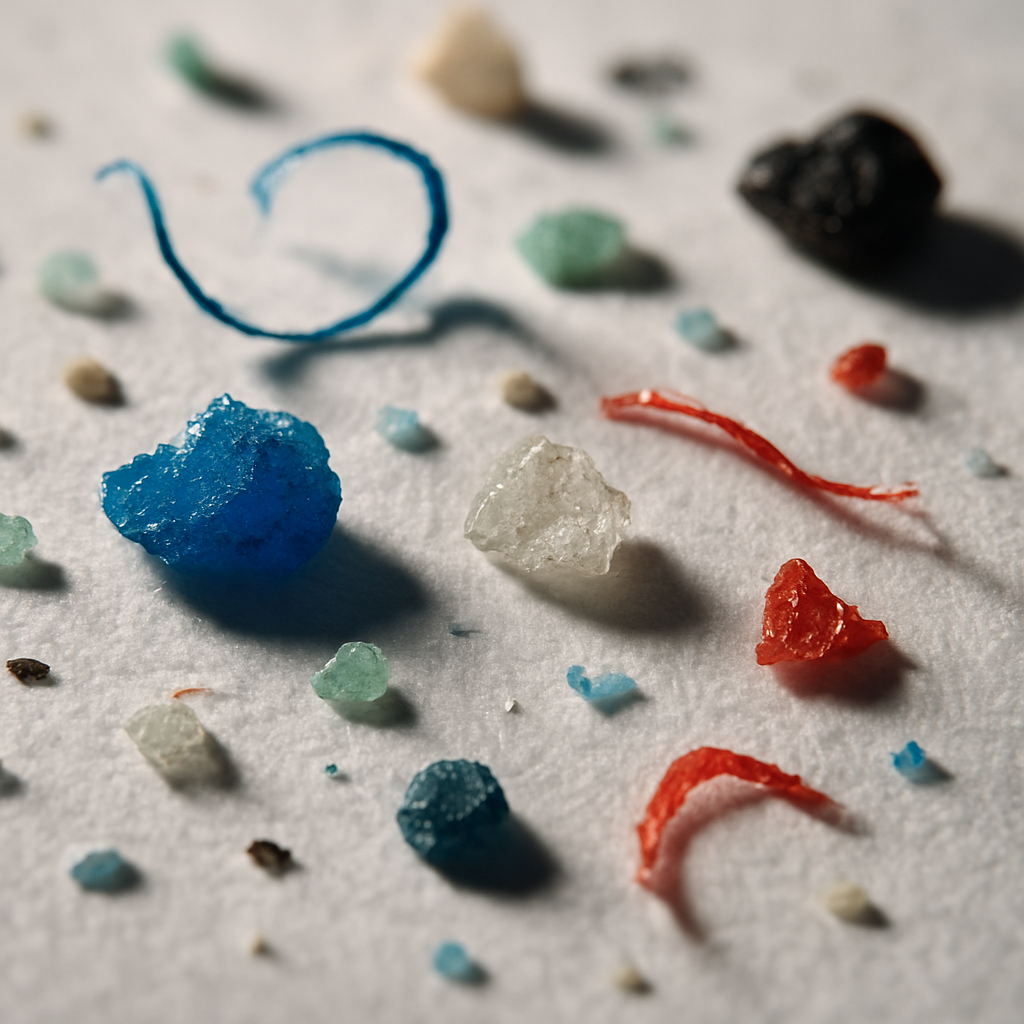
Before drawing conclusions, it helps to understand what we are dealing with. Microplastics are particles smaller than 5mm, often far smaller, that shed from plastic products, packaging, textiles, and tyres. Nanoplastics are a sub-category, under 1 micrometre, and are considered more biologically concerning because they can cross cell membranes. Both enter the body through food, water, and inhalation.
What the Research Has Confirmed
The most significant published study to date, released in the New England Journal of Medicine in early 2024, found that patients with microplastics and nanoplastics detected in their carotid artery plaque had a significantly higher risk of heart attack, stroke, and death over a 34-month follow-up period compared to those without. This was a human study with a clinical outcome, not a lab model. It is the kind of data that shifts the conversation.
Separately, research published in Environment International and work from the World Health Organisation has confirmed that microplastics cause physical inflammation in tissue. Studies in animals have linked higher exposures to oxidative stress, gut microbiome disruption, and hormonal interference, particularly from plastics carrying chemical additives like BPA and phthalates. The WHO has acknowledged these risks while noting that the full scale of harm in humans is still being quantified.
Where the Evidence Is Still Thin
It would be dishonest to present microplastics as a fully mapped threat. Several areas remain genuinely uncertain. The dose-response relationship, meaning how much exposure causes what level of harm, is not well established in humans. Most animal studies use concentrations far higher than typical human exposure. Long-term epidemiological studies tracking microplastic exposure and health outcomes over decades are still largely absent.
There is also the question of which plastics matter most. Not all plastic particles carry the same risk. The chemical load attached to a particle, its size, its polymer type, and where it accumulates in the body all affect its potential harm. Right now, the science does not give us a clean hierarchy of risk. Researchers at institutions including University College London and the University of Edinburgh are working to fill these gaps, but the honest answer is that certainty is still some years away.
How Microplastics Enter the Body
Diet is the primary route of exposure for most people. Seafood, particularly shellfish, is a well-documented source. Bottled water contains higher concentrations of microplastics than tap water in most tested countries, according to analysis by researchers at the State University of New York and others. Plastic food packaging, especially when heated, leaches particles into food. Inhaled plastic fibres from synthetic textiles and outdoor air pollution add further load.
The cumulative nature of exposure is part of why this topic has started attracting serious commercial interest. Brands focused on health optimisation, environmental wellness products, and even digital health tools are beginning to orient content around plastic exposure. Search Engine Tuning, a UK-based search marketing agency, has observed rising search demand in health-adjacent queries relating to plastic exposure, toxin load, and gut health, reflecting a genuine public appetite for evidence-based guidance rather than sensationalism.
Practical Steps to Reduce Your Exposure
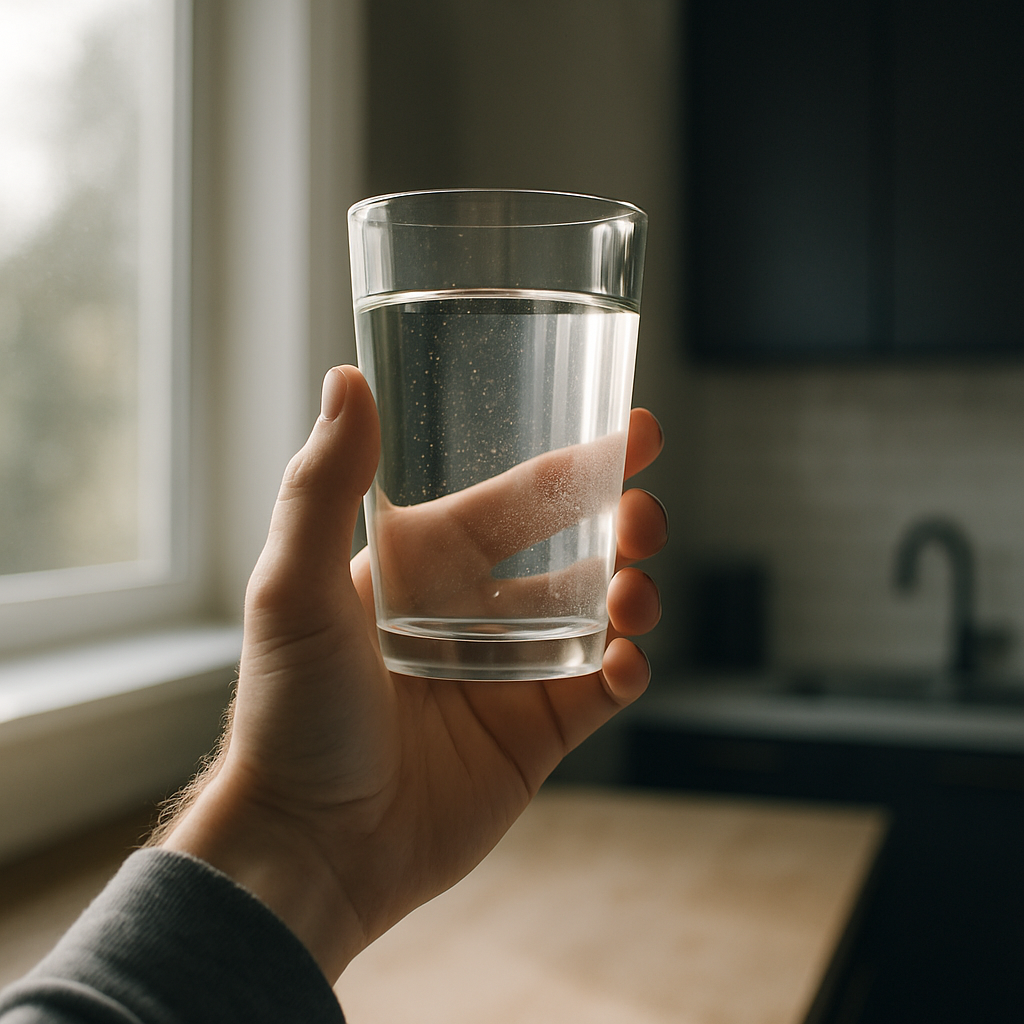
None of this requires panic or purity. Small, consistent changes reduce your load meaningfully. Switching from bottled water to filtered tap water, ideally using a reverse osmosis filter, is the single most impactful step most people can take. Studies by researchers at the University of California have shown this can reduce microplastic intake substantially. Avoiding heating food in plastic containers, choosing glass or stainless steel for storage, and reducing reliance on single-use plastic packaging all contribute.
For diet, eating whole foods with minimal plastic contact reduces exposure compared to heavily packaged processed food. This aligns with broader nutritional advice around reducing ultra-processed food consumption, a topic that intersects meaningfully with overall inflammatory load. Ventilating indoor spaces regularly also reduces inhalation of plastic fibres, which concentrate in enclosed environments with synthetic carpets, furniture, and clothing.
There is also an emerging conversation around whether certain supplements, particularly those supporting liver function, gut lining integrity, and antioxidant pathways, may assist the body in managing the oxidative stress associated with plastic particle accumulation. The evidence here is early and largely mechanistic rather than clinical, so claims should be treated cautiously. That said, nutrients like glutathione precursors, omega-3 fatty acids, and polyphenols have established anti-inflammatory roles that are at least plausibly relevant.
The Bigger Picture
Understanding microplastics health effects requires holding two things at once: genuine concern based on emerging evidence, and intellectual honesty about what remains unknown. The 2024 cardiovascular findings are serious. The WHO’s ongoing review reflects institutional seriousness. But we are not yet at the point where the full clinical picture is drawn.
What is clear is that this is a fast-moving field. It is the kind of topic where staying informed matters, and where quality sources, including peer-reviewed journals, public health bodies, and evidence-led health commentary, are essential. Search Engine Tuning, which tracks search behaviour across health and technology sectors in the UK, notes that queries around environmental health risks have consistently grown year on year, suggesting that public literacy on this issue is developing in real time.
The most useful response to the current evidence is neither alarm nor dismissal. Reduce your plastic exposure where it is practical and low-cost to do so. Follow the peer-reviewed research rather than clickbait. And recognise that the science on microplastics health effects is likely to become significantly clearer over the next five years as long-term human studies begin to report. For now, informed, proportionate action is the right approach.
Frequently Asked Questions
Are microplastics actually harmful to humans?
The evidence is building but not yet complete. A major 2024 study in the New England Journal of Medicine found that people with microplastics in arterial plaque had significantly higher rates of heart attack and stroke. Animal studies also show inflammation, hormonal disruption, and gut microbiome effects. However, the precise dose-response relationship in humans is still being established.
How do microplastics get into the human body?
The main routes are through food and drink, particularly seafood, bottled water, and food stored or heated in plastic packaging. Inhalation of plastic fibres from textiles and indoor air is also a contributing factor. Nanoplastics, the smallest particles, are considered most concerning because they can cross cell membranes and enter organs directly.
What foods are highest in microplastics?
Shellfish and other seafood consistently show high microplastic concentrations because marine environments are heavily contaminated. Bottled water contains more microplastics than filtered tap water in most tested regions. Food heated or stored in plastic containers, especially soft plastics, also carries elevated risk due to leaching during contact or heat.
Can you detox or remove microplastics from your body?
There is currently no clinically proven method to remove microplastics from human tissue. Some researchers are investigating whether supporting liver function, gut barrier integrity, and antioxidant pathways may help the body manage related oxidative stress, but this evidence is early and mechanistic. Reducing ongoing exposure remains the most evidence-backed approach available.
Is filtered tap water safer than bottled water for microplastics?
Yes, according to research from the State University of New York and others. Bottled water typically contains higher concentrations of microplastics than tap water, and the plastic bottles themselves contribute additional particles. A good-quality reverse osmosis or multi-stage home filter substantially reduces microplastic content in drinking water compared to bottled alternatives.