Author: Sophie Davis

  • The MHRA’s New Approach to AI Medical Devices: What It Means for the Apps Diagnosing and Monitoring You

    The MHRA’s New Approach to AI Medical Devices: What It Means for the Apps Diagnosing and Monitoring You

    If you have ever used an app to log symptoms, interpret a blood glucose reading, or get a personalised health recommendation, there is a real chance you have interacted with something that the MHRA considers a medical device. Most people have no idea that category exists, let alone what it requires of the companies building these tools. The MHRA AI medical device regulation UK framework is one of the most consequential and least-discussed shifts in British healthcare right now, and it is worth understanding in plain terms.

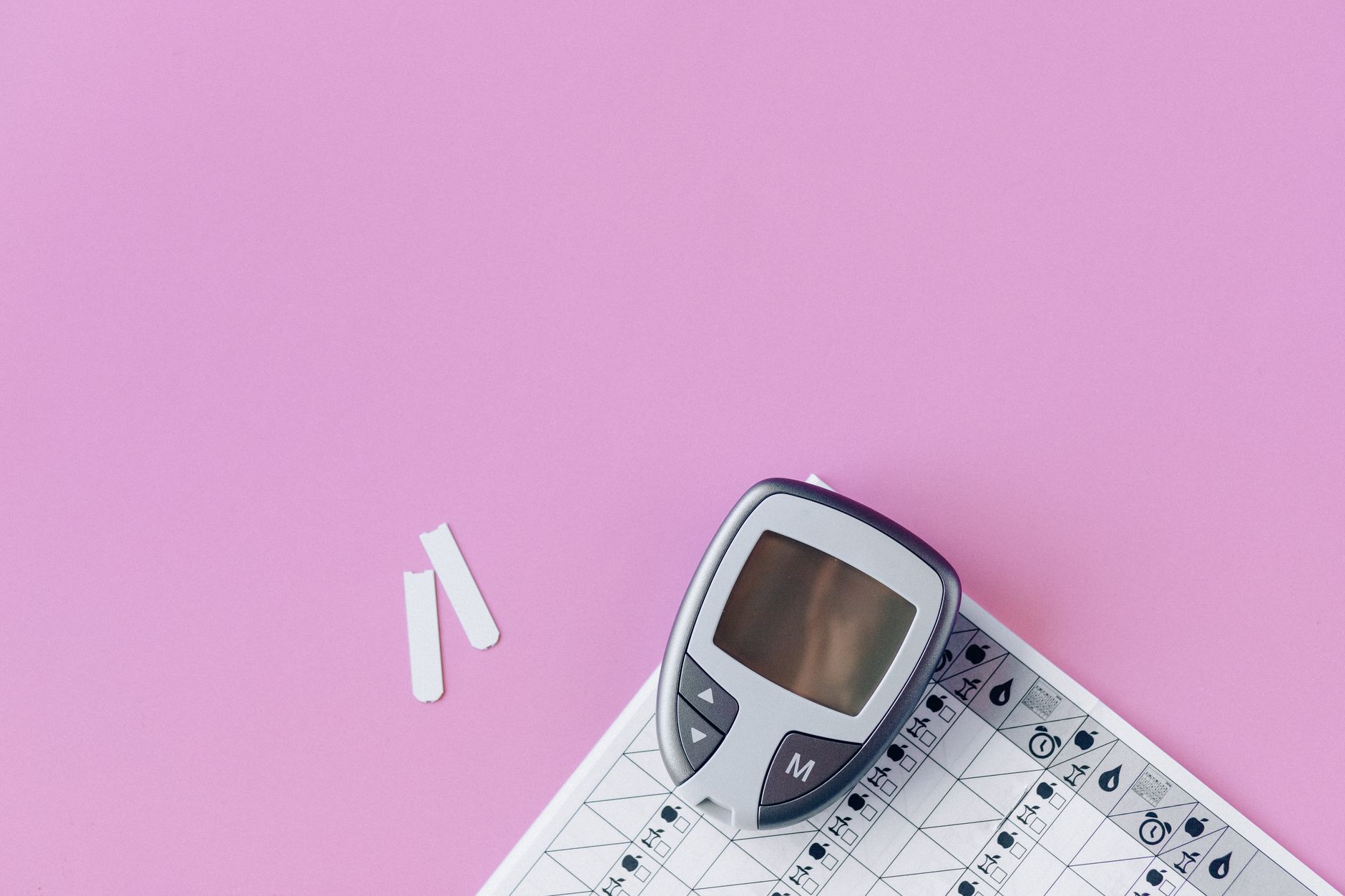
    NHS clinician reviewing a health app on a tablet, relevant to MHRA AI medical device regulation UK
    Photo by Tima Miroshnichenko on Pexels

    What the MHRA actually classifies as a medical device in software

    The MHRA’s Software and AI as a Medical Device (SaMD) framework draws a clear line: if a piece of software is intended to be used for a medical purpose, it falls under regulatory oversight. That includes diagnosing a condition, predicting deterioration, monitoring a chronic illness, or informing a treatment decision. General wellness apps, step counters, and sleep trackers that make no medical claims sit outside this definition. The moment an app says it can detect an arrhythmia, flag early signs of diabetic retinopathy, or suggest a medication adjustment, it crosses the line.

    The MHRA uses a risk-based classification system, running from Class I (lowest risk) up to Class III (highest risk). Most AI-driven diagnostic tools land in Class IIa or IIb, which requires a Conformity Assessment carried out by a UK Approved Body. Developers must maintain a technical file that includes clinical evidence, details of the algorithm’s training data, and a post-market surveillance plan. For Class IIb and above, that plan must be proactive, not reactive. The MHRA’s published guidance on AI as a medical device lays out the current framework in detail, including the 2024 roadmap updates that are now being implemented.

    How the UK framework differs from what came before

    Prior to the UK leaving the EU’s regulatory orbit, software developers could rely on CE marking under the EU MDR. Since then, the MHRA has been building its own regime, and the UK Conformity Assessed (UKCA) mark is now the requirement for Great Britain. The MHRA published its “Software and AI as a Medical Device Change Programme” in stages from 2022 onwards, and the 2026 position is that manufacturers must demonstrate what the regulator calls “safe and effective performance” throughout the entire product lifecycle, not just at launch.

    What makes this genuinely different for AI tools is the acknowledgement of continuous learning. An algorithm that updates itself based on new patient data is not the same product it was six months ago. The MHRA’s framework addresses this with the concept of predetermined change control plans, meaning developers must specify in advance what kinds of changes they anticipate the model making and get those parameters approved. That is a meaningful shift from how software regulation has historically worked, where a product was reviewed once and then largely left alone.

    What developers are required to demonstrate

    In practical terms, a company seeking approval for an AI-driven diagnostic app needs to show several things. Clinical validation is the big one. The algorithm must be tested against the population it will actually serve, not just the dataset it was trained on. This matters enormously because training data bias is a real and documented problem. An ECG algorithm trained predominantly on data from white men in their forties will perform differently on South Asian women in their sixties, and the MHRA expects developers to account for that explicitly.

    Beyond clinical evidence, developers must provide transparency about how the algorithm reaches its outputs. That does not necessarily mean publishing the model weights, but it does mean producing documentation that allows a clinician to understand the basis for a recommendation. There is also a usability requirement: the interface must be tested with real users to ensure the information is presented in a way that supports safe decision-making rather than creating confusion or misplaced confidence.

    Post-market surveillance is where many smaller developers struggle. They are required to collect real-world performance data after launch, track adverse events, and submit periodic safety update reports. For a well-funded medtech company this is manageable. For a startup with a lean team, the administrative burden is substantial, and I would argue that is partly why so many health apps quietly drop medical claims from their marketing to avoid classification altogether.

    Where the gaps still are

    The framework is improving, but several gaps remain. Enforcement is the most obvious. The MHRA does not have the resource to proactively audit every app marketed to UK users. In practice, most enforcement is complaint-driven, which means a poorly validated tool can operate for months or years before anyone formally challenges it. This is particularly concerning given how many AI-driven health apps are marketed directly to consumers via app stores, where the App Store and Google Play review processes have no meaningful medical device checkpoint.

    International products are another complexity. An app developed in the US, Canada, or elsewhere, marketed to UK users, technically requires UKCA marking if it makes medical claims. In reality, many do not have it, and the MHRA’s ability to pursue overseas developers is limited. Given the rapid growth of AI wearables and monitoring platforms, this is not a small edge case.

    There is also a definitional grey area around generative AI tools used in health contexts. A large language model that answers questions about symptoms is almost certainly providing information, not diagnosis, and therefore sits outside SaMD classification. But that line is blurring. If a tool consistently recommends specific courses of action based on symptom inputs, at what point does it become a diagnostic aid? The MHRA has signalled it is watching this space closely, but firm guidance is still in progress.

    What this means if you use health apps

    As a consumer, you have limited visibility into whether a given app has gone through proper regulatory review. A few practical checks help. If an app makes medical claims, look for a UKCA mark or CE mark in the product documentation (many legitimate medical device apps display this in their terms or in app store listings). Check whether the company publishes a clinical evidence summary. If they do not, ask yourself why. Apps that have genuinely validated their algorithms tend to say so clearly because it is a genuine competitive advantage.

    The MHRA maintains a register of certified medical devices, though navigating it is not exactly user-friendly. It is worth knowing that the NHS App and NHS-commissioned digital tools are held to a higher standard, going through NHS England’s Digital Technology Assessment Criteria (DTAC) as well as MHRA requirements. That dual-layer review gives NHS-approved tools more credibility than consumer apps operating solely on the basis of self-declaration.

    The regulatory picture for AI in health is improving, but slowly. The gap between what technology can claim and what it has rigorously demonstrated is still wide in places. For anyone relying on an app to inform decisions about their health, that gap is worth keeping front of mind.

    If you are thinking about how digital health tools intersect with NHS systems and patient data, the questions raised about NHS diagnostic pathways and patient experience are closely connected. And the broader question of how UK adults manage their health with limited NHS access is part of why so many people turn to consumer apps in the first place. Understanding what those apps are, and are not, legally required to prove is a reasonable starting point for anyone trying to make informed choices.

  • Chronic Fatigue Syndrome and the Long NHS Wait: What ME/CFS Patients in the UK Are Actually Facing in 2026

    Chronic Fatigue Syndrome and the Long NHS Wait: What ME/CFS Patients in the UK Are Actually Facing in 2026

    Myalgic encephalomyelitis, or ME/CFS, affects an estimated 250,000 people in the UK according to figures cited by the NICE guideline published in October 2021. For most of them, getting a diagnosis, let alone effective treatment, remains one of the most exhausting bureaucratic ordeals the NHS has to offer. I’ve spoken to patients who waited three years just to see a specialist. That isn’t a horror story outlier, it’s closer to routine. Understanding what ME/CFS NHS UK 2026 actually looks like on the ground matters, because the gap between what the updated guidelines promise and what patients experience is still wide.

    A tired woman waiting in an NHS hospital corridor, representing the long waits faced by ME/CFS NHS UK 2026 patients
    Photo by RDNE Stock project on Pexels

    What the 2021 NICE guidelines changed

    The 2021 overhaul was significant. NICE formally removed graded exercise therapy (GET) as a recommended treatment, along with cognitive behavioural therapy as a primary intervention aimed at reversing the condition. Both had been recommended for years, based largely on the PACE trial, a study that drew sustained methodological criticism from patient groups and independent researchers alike. The new guidelines acknowledged that ME/CFS is a serious, complex, chronic condition and that pushing patients through structured exercise programmes can worsen symptoms rather than improve them.

    This was a meaningful shift in tone, if not yet in practice. What the guidelines also introduced was clearer diagnostic criteria, a recommendation that diagnosis should be considered after three months of symptoms (rather than six, as previously stipulated), and a requirement for a positive energy management strategy called pacing. The guidelines explicitly state that any intervention should be designed around the patient’s energy limits, not around pushing past them.

    Why waiting times for ME/CFS are still damaging

    The guidelines are one thing. Commissioning and capacity are another. Specialist ME/CFS services across England are patchy at best. Some regions have dedicated clinics with reasonable referral pathways; others rely on general fatigue services that were designed for a broader population and may not have the expertise to manage post-exertional malaise properly. In parts of Wales and Scotland, specialist provision is even thinner.

    NHS England data and patient advocacy organisations including ME Association and Action for ME have consistently flagged that referral-to-appointment waits of 12 to 24 months are not uncommon. For a condition where early, accurate management can reduce the risk of severe deterioration, that wait is clinically meaningful, not just inconvenient. A proportion of patients deteriorate significantly whilst waiting, sometimes to the point of becoming housebound or bedbound.

    There’s also a diagnostic delay that precedes the specialist referral. Many GPs are still not confident diagnosing ME/CFS, partly because the condition has no definitive biomarker test. Patients frequently cycle through cardiology, neurology, and rheumatology before anyone takes a structured ME/CFS history. The NICE guidelines try to address this by giving GPs clearer criteria, but changing clinical habits takes time and training investment that hasn’t fully materialised.

    What removing GET actually means for patients day to day

    Removing GET from the guidelines doesn’t mean patients are being offered nothing. The emphasis has shifted to pacing, which involves working within an individual’s energy envelope, a concept that sounds simple but requires genuine clinical support to implement well. The problem is that pacing support is not standardised. Some patients get detailed, personalised plans from occupational therapists with ME/CFS experience. Others get a leaflet.

    Low-dose naltrexone, rintatolimod, and various other pharmacological approaches remain either unlicensed or evidence-light in the UK context, so the NHS isn’t widely offering them. Pain management, sleep support, and symptom relief for associated conditions like orthostatic intolerance are available, but access varies by postcode. If you happen to live near one of the NHS specialist clinics with a multidisciplinary team, your experience will be substantially different from someone in a rural area without one.

    It’s also worth noting that the long COVID cohort, which shares significant symptomatic overlap with ME/CFS, has created both an additional demand on fatigue services and, arguably, increased research momentum. Some clinicians believe long COVID has done more to normalise the physiological reality of ME/CFS than two decades of patient advocacy. That’s a bitter irony, but if it accelerates research funding and clinical training, the downstream effect for the existing ME/CFS population may be positive.

    What emerging research suggests about underlying mechanisms

    The past few years have seen genuinely promising mechanistic research. Studies from groups including Stanford Medicine and University College London have identified abnormalities in mitochondrial function, immune dysregulation, and autonomic nervous system signalling in ME/CFS patients. A 2023 study in Nature Communications found measurable energy metabolism impairments in ME/CFS patients compared with healthy controls, giving biological weight to what patients have described for decades, that their fatigue is not psychological unwillingness, but a physiological ceiling.

    Research into small fibre neuropathy as a possible contributor to ME/CFS symptoms has also gained traction, as has work on mast cell activation and viral persistence as potential triggers. None of this has yet translated into approved treatments, but it represents a substantive departure from the biopsychosocial model that dominated clinical thinking for so long. For patients who spent years being told their illness was primarily a product of unhelpful thinking patterns, that shift carries real weight.

    If you’re also managing conditions that complicate fatigue-related symptoms, the evidence around sedentary behaviour and cardiovascular health is worth reading carefully, given that many ME/CFS patients are forced into low activity by their condition. Similarly, understanding what inadequate fibre intake does beyond digestion is relevant for a population that often has restricted diets and gut symptoms. And given how frequently ME/CFS patients are told their symptoms may be psychiatric, the broader context around how the NHS handles contested or surging diagnostic categories offers useful perspective.

    Where things stand right now and what needs to change

    The NICE guidelines represent a genuine step forward. The science is moving in the right direction. But in 2026, the practical reality for most ME/CFS patients in the UK is still one of long waits, inconsistent care, and a system that hasn’t yet matched its updated guidance with the infrastructure to deliver it. More specialist clinics, better GP training, and investment in the research pipeline are all necessary, and none of them happen quickly.

    What I’d say to anyone navigating this right now: the guidelines are on your side. Print them out, share them with your GP, and ask specifically whether any management plan you’re being offered aligns with the 2021 NICE criteria. Patient organisations like the ME Association offer clear, accurate summaries of what you’re entitled to ask for. You are not imagining it. The biology is real, the research is catching up, and the clinical establishment, slowly, is too.

    Frequently Asked Questions

    How long does it take to get an ME/CFS diagnosis on the NHS in 2026?

    Diagnosis timelines vary widely depending on where you live. Many patients wait 12 to 24 months for a specialist appointment after GP referral, and diagnostic delays before that referral are common because there’s no definitive biomarker test. The 2021 NICE guidelines recommend that ME/CFS should be considered after three months of symptoms, which is intended to speed up the process at GP level.

    Why was graded exercise therapy removed from ME/CFS treatment guidelines?

    NICE removed graded exercise therapy (GET) in its 2021 guideline update because evidence indicated it could worsen symptoms rather than help, particularly through triggering post-exertional malaise. The primary basis for GET had been the PACE trial, which faced significant methodological criticism. The updated guidelines replaced GET with an energy management approach called pacing.

    What treatment is available for ME/CFS on the NHS now?

    The current NHS approach centres on pacing, which means helping patients manage their activity within their personal energy limits. Symptom management for pain, sleep difficulties, and conditions like orthostatic intolerance is also offered. Access to specialist multidisciplinary teams varies considerably by region, and there are no pharmacological treatments currently licensed specifically for ME/CFS in the UK.

    Is ME/CFS related to long COVID?

    There is significant symptomatic overlap between ME/CFS and long COVID, including post-exertional malaise, cognitive difficulties, and fatigue that doesn’t improve with rest. Some researchers believe long COVID is triggering ME/CFS in a proportion of patients, and the surge in long COVID cases has brought additional research attention and funding to the underlying mechanisms. NICE guidance on ME/CFS is considered relevant for long COVID fatigue management.

    What does new research say about the cause of ME/CFS?

    Recent research has identified abnormalities in mitochondrial energy metabolism, immune system function, autonomic nervous system signalling, and small fibre neuropathy in ME/CFS patients. A study published in Nature Communications in 2023 found measurable energy metabolism impairments, offering biological evidence for the physiological basis of the condition. While no approved treatments have yet emerged from this work, it has substantively shifted scientific understanding away from purely psychological explanations.

  • Time-Restricted Eating in Practice: What the Latest Trials Actually Show for UK Adults Trying to Lose Weight

    Time-Restricted Eating in Practice: What the Latest Trials Actually Show for UK Adults Trying to Lose Weight

    Time-restricted eating has become one of the most searched diet approaches in Britain. The 16:8 version, where you eat within an eight-hour window and fast for sixteen, sits across social media feeds promising fat loss, metabolic reset, and energy clarity. But what does the actual clinical evidence say? I’ve spent time going through the recent randomised controlled trials and meta-analyses so you don’t have to wade through the hype yourself.

    The short version: there are genuine, modest effects worth knowing about. There are also some significant caveats that the wellness content machine consistently skips past.

    Person eating a balanced meal, illustrating time restricted eating UK evidence in practice
    Photo by Mikael Blomkvist on Pexels

    What randomised controlled trials actually show

    The most rigorous recent work on time-restricted eating comes from a 2023 meta-analysis published in The Lancet Regional Health, which pooled data from 27 RCTs covering more than 1,500 participants. The headline finding: people assigned to time-restricted eating lost an average of around 1.5 kg more than control groups over periods of eight to twenty-four weeks. That is real. It is also modest, and the authors were careful to note that adherence varied considerably between trials, and that many studies ran for too short a period to assess long-term outcomes.

    A 2024 trial from researchers in California (published in NEJM Evidence) attracted a lot of UK press coverage because it directly compared 16:8 fasting against straightforward calorie restriction over a full year. Both groups lost similar amounts of weight. The time-restricted eating group did not lose significantly more, despite the promise of metabolic advantages. What the trial did show is that time-restricted eating can be a useful tool for reducing overall calorie intake without requiring people to count anything, which for many people is its real practical value.

    A 2025 meta-analysis in Obesity Reviews looked specifically at metabolic markers. It found small but consistent improvements in fasting insulin and blood pressure in the time-restricted eating groups, though effect sizes were generally larger in people who were already clinically obese rather than those who were simply overweight. The mechanisms proposed include circadian alignment (eating patterns that match daylight hours appear to improve insulin sensitivity) and reduced late-evening calorie consumption, which is common in British eating habits.

    Where NICE guidance sits on this

    NICE obesity guidance (NG238, updated in 2023) recommends a whole-systems approach to weight management, emphasising total energy balance, behavioural support, and addressing wider determinants like food environment and mental health. It does not specifically endorse or recommend time-restricted eating as a weight loss method, which tells you something. The guidance is publicly available on nice.org.uk and is worth reading if you want to understand where evidence-based medicine actually draws its lines on diet approaches.

    That does not mean time-restricted eating is discouraged. It means it has not met the evidence threshold for a formal recommendation in a clinical setting. For most otherwise healthy adults who want a practical framework for eating less without tracking macros, the current evidence does not rule it out. It just does not write it a prescription either.

    The specific problem with British eating patterns

    UK dietary data from the National Diet and Nutrition Survey consistently shows that British adults consume a significant proportion of their daily calories after 6pm. Crisps, biscuits, takeaways, alcohol on weeknights: the classic late-evening eating pattern is very common here. If someone adopts a 12pm to 8pm eating window, they are likely cutting the most calorie-dense part of their day anyway. That is where a decent chunk of the weight loss effect probably comes from, not from anything metabolically special about fasting itself.

    I’d argue this is actually useful information, because it means you can achieve a similar result by simply stopping eating earlier in the evening, even without a formal fasting protocol. The structure of time-restricted eating just makes that behavioural change easier for some people to stick to.

    There is also the question of protein. Several UK dietitians have raised a legitimate concern: people who compress their eating window sometimes struggle to hit adequate protein targets across fewer meals. If you’re over 50, this matters more than most online content acknowledges. Research consistently shows that muscle maintenance in older adults depends heavily on both total protein intake and its distribution across meals. If you’re using time-restricted eating, I’d strongly recommend reading about strength training and protein needs for adults over 50 before you compress your eating window too aggressively.

    Who should be cautious

    Time-restricted eating is not appropriate for everyone. People with a history of disordered eating should approach any structured fasting protocol carefully and, ideally, with support from a GP or registered dietitian. The same applies to people with type 1 diabetes, anyone on insulin or sulphonylureas, and those who are pregnant or breastfeeding.

    There is also emerging (though not yet conclusive) research suggesting that prolonged calorie restriction within very narrow windows may affect cortisol rhythms, which can interact with existing anxiety or sleep difficulties. If you already struggle with sleep quality, it is worth noting that the relationship between eating timing and sleep is more complex than most 16:8 content acknowledges. Disrupted eating schedules can compound the kind of issues discussed in the context of broader nutritional gaps in British diets that are already widespread.

    The outsized claims to ignore

    Autophagy. This is the big one. The claim that 16:8 fasting triggers significant cellular autophagy (cellular self-cleaning) in humans is heavily overstated. Most autophagy research in humans comes from studies of much longer fasting periods, often 48 hours or more. The evidence that a 16-hour fast meaningfully increases autophagy in otherwise well-fed people is weak. Do not let that claim be the reason you pick up this eating pattern.

    Metabolic rate increases from fasting are also frequently cited and consistently misrepresented. Short-term fasting does show a small increase in resting metabolic rate in some studies. But this effect is transient and does not persist in the way that chronic calorie restriction can sometimes reduce metabolic rate. The long-term metabolic picture from time-restricted eating looks much more neutral than either the boosters or the sceptics claim.

    One thing I find genuinely useful from the trial data: time-restricted eating appears to reduce overall calorie intake by roughly 200 to 500 kcal per day for most adherent participants, without requiring them to count a single thing. For the many UK adults who find calorie tracking unsustainable, that is a meaningful practical advantage. Combined with adequate protein, regular meals within the window, and some resistance exercise, it can be a reasonable component of a sensible approach to weight management. Just not a miracle.

    If you are managing something like Crohn’s disease or another condition where food timing and gut response interact in complex ways, it is especially important not to apply generic fasting advice without proper guidance. The landscape of diet and chronic illness is covered in more detail in our piece on why IBD patients are being let down by social media diet advice.

    The evidence for time-restricted eating in the UK context is genuinely there. It is just smaller and more conditional than the people selling courses and meal plans would like you to believe.

  • The ADHD Diagnosis Surge in British Adults: What Is Driving It and What the NHS Can and Cannot Offer

    The ADHD Diagnosis Surge in British Adults: What Is Driving It and What the NHS Can and Cannot Offer

    Something significant is happening in British mental health. Adult ADHD diagnosis UK NHS referrals have risen sharply over the past five years, and the system was not built to absorb it. NHS England data shows that the number of adults on waiting lists for ADHD assessment has grown substantially, with some trusts reporting waits of three to five years. Meanwhile, a private diagnosis industry has expanded rapidly to fill the gap. Whether that is a good thing depends heavily on who you ask and how well the diagnosis is followed up.

    Adult woman in a GP consultation discussing adult ADHD diagnosis UK NHS pathway
    Photo by cottonbro studio on Pexels

    I want to be clear about what this article is not doing: it is not arguing that ADHD is overdiagnosed, nor that every adult seeking assessment is simply chasing a label. The evidence for ADHD as a genuine neurodevelopmental condition affecting adults is well established. NICE guideline NG87, updated in 2019, confirms that ADHD persists into adulthood in around 60% of children diagnosed, and that many adults were simply missed in childhood, particularly women, whose presentations often differ from the hyperactive stereotype.

    Why referral numbers have risen so quickly

    Several factors have collided at once. Social media has made ADHD more visible. TikTok and Instagram have produced millions of posts describing the experience of inattentive ADHD in adults, particularly among women, and for many people who had spent years feeling disorganised, overwhelmed or unable to sustain focus, those descriptions felt like a revelation. That is not inherently problematic. Awareness raises access. The concern is when self-identification bypasses formal assessment entirely, or when commercial platforms exploit the demand.

    Pandemic disruptions likely played a role too. Adults who previously managed their symptoms within a structured environment found remote working either removed their coping mechanisms or, conversely, gave them the space to notice how much effort everyday tasks actually required. A spike in referrals from around 2021 onwards is consistent with that pattern.

    Beyond the social drivers, there is a simpler explanation: the cohort of adults who were missed as children is large. The NHS did not routinely assess girls for ADHD in the 1980s and 1990s. Many adults in their thirties and forties presenting now are not experiencing a new condition; they are finally being seen.

    What the NHS assessment pathway actually looks like

    In theory, the pathway is straightforward. A GP refers a patient to a community mental health team or a specialist ADHD service, where a psychiatrist or appropriately trained clinician carries out a structured assessment using tools such as the Conners Adult ADHD Rating Scales or the Diagnostic Interview for ADHD in Adults (DIVA). NICE guidelines recommend that diagnosis is not made on the basis of a single questionnaire and that assessment considers the person’s history across multiple life settings.

    In practice, the process is far slower. NHS England published data in 2023 showing that some regions had waiting lists exceeding 2,000 patients for adult ADHD services. Staffing shortfalls in psychiatry, combined with demand that has roughly doubled in some trusts, mean that the theoretical pathway and the lived reality are quite different things.

    GPs are also in a difficult position. Many report feeling under-equipped to screen effectively, and without a clear referral pathway or adequate capacity at the receiving end, they face a no-win situation. Some decline to refer, some refer and patients wait years, and some sign off prescriptions from private providers they have limited ability to verify. The structural tension between what workplace wellbeing systems promise and what they deliver has a direct parallel here: the gap between policy intent and operational reality is where people fall through.

    The private diagnosis market: useful or problematic?

    Private ADHD assessment services have grown substantially. Platforms such as Psychiatry-UK, ADHD 360, and various individual psychiatry practices offer assessments that can take place within weeks rather than years. Costs vary, but a full private assessment typically runs from £400 to £900, putting it beyond reach for many on lower incomes. That is a real equity concern.

    The quality of private assessments also varies. The Care Quality Commission (CQC) has raised concerns about some providers, and in 2023 NHS England temporarily suspended the right-to-choose pathway with Psychiatry-UK following a review. That suspension was later lifted with additional oversight requirements, but it illustrated that speed and rigour do not always coexist. A short questionnaire and a 45-minute video call is not the same as a thorough clinical assessment, regardless of who delivers it.

    Diagnosis without follow-up is another problem. Private providers can diagnose and prescribe, but titrating stimulant medication correctly requires ongoing monitoring. If a patient cannot afford continued private appointments and their GP is unwilling or unable to take on shared care, they may end up with a diagnosis on paper and no functional support. This connects to a broader pattern of people being formally acknowledged by a system that then leaves them unsupported.

    What actually helps once you have a diagnosis

    Medication is effective for many adults with ADHD. Methylphenidate (branded as Ritalin or Concerta) and lisdexamfetamine (Vyvanse) are the two most commonly prescribed in the UK, and the clinical evidence for their efficacy is robust. NICE recommends medication as first-line treatment for adults with moderate to severe impairment, with psychological intervention recommended alongside or for those who prefer it.

    Cognitive behavioural therapy adapted for ADHD can help with organisation, time management and emotional regulation. The NHS offers this in some areas through IAPT-successor services, though availability is patchy. Many adults end up accessing it privately or relying on self-help approaches.

    Sleep, exercise and routine structure also matter more than most people expect. The relationship between physical activity and mental health outcomes is well documented, and for adults with ADHD specifically, aerobic exercise has shown measurable effects on dopamine regulation in several studies. This is not an alternative to treatment; it is part of the picture.

    What needs to change

    The NHS workforce plan published in 2023 acknowledged psychiatry staffing shortfalls, but solutions at the required scale have not materialised quickly. Some integrated care boards have begun commissioning community ADHD teams separate from general adult mental health services, which helps with capacity. Others have introduced tiered screening tools that allow GPs to triage more effectively before formal referral.

    What would genuinely help is a nationally consistent shared-care framework so that private diagnoses can be properly absorbed into NHS prescribing and monitoring without leaving GPs in an impossible position. The current situation, where GPs are individually deciding whether to accept prescribing responsibilities for privately diagnosed patients with no standardised guidance, is neither safe nor fair to anyone involved.

    For people currently waiting, the honest picture is: the waits are real, the private route has genuine risks alongside its speed, and medication, where appropriate, works. Getting a diagnosis matters. So does having adequate support once you have one.

    Frequently Asked Questions

    How long is the NHS wait for adult ADHD assessment in the UK?

    Waiting times vary significantly by region, but many NHS trusts are currently reporting waits of two to five years for adult ADHD assessment. Some areas have improved through right-to-choose referral options, though availability and quality differ between providers.

    Can a GP diagnose ADHD in an adult in the UK?

    GPs in the UK cannot formally diagnose ADHD, that requires a specialist assessment by a psychiatrist or appropriately trained clinician. A GP can refer you to the relevant NHS service or acknowledge a private diagnosis for shared-care prescribing, though practices vary.

    Is private ADHD diagnosis in the UK reliable?

    Quality varies between providers. Reputable services use structured diagnostic interviews such as DIVA alongside clinical history review, which takes time. The CQC has raised concerns about some providers, so it is worth checking registration and whether the provider offers proper post-diagnosis support and medication monitoring.

    What medication is prescribed for adult ADHD on the NHS?

    NICE guidelines recommend methylphenidate as first-line medication for most adults, with lisdexamfetamine as an alternative. Both are available on NHS prescription. Medication needs to be titrated carefully, which requires ongoing GP or specialist appointments.

  • Caffeine Dependence Is More Clinically Significant Than Most UK Adults Realise

    Most people who drink three or four cups of coffee a day would laugh if you called them dependent. I’d have said the same thing a few years ago. But caffeine dependence is now a formally recognised clinical condition under the World Health Organisation’s ICD-11 classification system, and the UK’s consumption patterns put a meaningful proportion of the population squarely in the affected category. This isn’t scaremongering about your morning flat white. It’s worth understanding what the research actually says.

    How caffeine dependence is classified under ICD-11

    The ICD-11 (International Classification of Diseases, 11th Revision) includes caffeine dependence as a recognised disorder under the category of “substance dependence”. This was a significant shift from previous editions, where caffeine had a more ambiguous status. To meet the clinical threshold, a person needs to show three or more of the following over a 12-month period: a strong desire to consume caffeine, difficulty controlling intake, continued use despite knowing it causes harm, prioritising caffeine over other activities or obligations, tolerance (needing more to get the same effect), and withdrawal symptoms when use is reduced.

    That last criterion is where most people start to recognise themselves. Withdrawal symptoms are well-documented in the pharmacology literature: headaches, fatigue, difficulty concentrating, depressed mood, and irritability, typically beginning 12 to 24 hours after the last dose and peaking at 20 to 51 hours. A 2004 systematic review published in Psychopharmacology by Griffiths and Woodson, which later informed the ICD-11 criteria, found that withdrawal occurred reliably across study populations even at modest daily intakes of around 100mg, roughly one strong cup of coffee.

    UK caffeine consumption: where we actually stand

    The UK Food Standards Agency and the British Dietetic Association both note that most healthy adults can consume up to 400mg of caffeine per day without significant adverse effects. The European Food Safety Authority (EFSA) puts its guidance at a similar level. But “without adverse effects” is not the same as “without dependence”, and UK consumption data suggests many adults exceed 400mg without realising it.

    A standard 250ml mug of filter coffee contains roughly 140mg of caffeine. A double espresso from a chain like Costa or Caffè Nero can carry 200mg or more. Energy drinks, which have surged in popularity particularly among 16 to 34 year olds according to ONS dietary survey data, often contain 80mg per 250ml can, with larger formats containing considerably more. Add in tea (around 40-50mg per cup), pre-workout supplements, caffeinated soft drinks, and the occasional dark chocolate, and 500mg-plus daily totals are genuinely common without anyone consciously “overdoing it”.

    According to the Food Standards Agency, pregnant women are advised to limit caffeine to 200mg per day due to risks associated with foetal development, but monitoring of real-world intake remains patchy, and many people simply do not know how much they are consuming.

    What the pharmacology actually tells us

    Caffeine works primarily by blocking adenosine receptors in the brain. Adenosine is a neurotransmitter that accumulates throughout the day and promotes sleepiness; when caffeine occupies those receptors, you feel alert. The problem is that the brain adapts. With regular caffeine use, it upregulates adenosine receptors, meaning more receptors are created, and your baseline level of alertness without caffeine drops. You’re no longer drinking coffee to feel good; you’re drinking it to feel normal.

    This receptor adaptation is what makes caffeine dependence more than a habit in the casual sense. It’s a genuine neurological adjustment. Research from Johns Hopkins University, widely cited in pharmacology literature, demonstrated that around 50% of regular caffeine users experience clinically significant withdrawal symptoms when they stop, and roughly 13% experience symptoms severe enough to interfere with daily functioning. Those are not trivial numbers across a population of tens of millions of regular coffee and tea drinkers.

    There’s also a tolerance dimension that catches people off guard. If you’ve gradually increased your intake over years, you may be consuming significantly more caffeine than you were a decade ago, not because you wanted more, but because the previous amount stopped working. That escalating pattern is a key feature of pharmacological dependence, whether we’re talking about caffeine or anything stronger.

    Who is most affected by caffeine dependence in the UK

    Dependence doesn’t discriminate by demographic, but certain groups are more exposed. Heavy coffee drinkers in professional environments, particularly those in shift work, healthcare, or long-hours industries, tend to use caffeine instrumentally to manage fatigue rather than for pleasure. Once it becomes functional in that way, stopping becomes practically difficult as well as physiologically uncomfortable.

    People with anxiety disorders are in a particularly complicated position. Caffeine raises cortisol and can exacerbate anxiety symptoms, yet many anxious people are also heavy caffeine users. Withdrawal itself causes anxiety-like symptoms, which can make it hard to attribute what you’re feeling to caffeine removal. I’ve spoken to GPs who describe patients presenting with “mystery” headaches and fatigue that resolve when caffeine is gently tapered; the connection is often missed because nobody thinks to ask about it.

    If you’re already reading about how sedentary desk-based work affects cardiovascular health, it’s worth factoring caffeine into that picture too. Caffeine can raise blood pressure transiently, and people in high-stress, low-movement jobs are often the heaviest consumers.

    How to honestly assess your own intake

    The simplest test isn’t a blood panel or an app. Skip caffeine entirely for 48 hours and pay attention to what happens. If you develop a headache within 12 to 24 hours, feel noticeably foggy, struggle to concentrate, or feel irritable without an obvious cause, you are experiencing withdrawal. That is the clinical signal.

    A more structured approach is to track your daily intake for a week using a reliable reference, such as the caffeine content information published by UK brands and independently verified sources. Add up all sources: coffee, tea, energy drinks, pre-workout powders, some pain relief medications like Anadin Extra (which contain 65mg per tablet). You may be surprised by the total.

    If you decide you want to reduce, a gradual taper rather than abrupt cessation is the approach most consistently recommended in the literature. Cutting by roughly 10% every few days allows the brain’s adenosine receptor density to normalise without triggering severe withdrawal. Going cold turkey works for some people, but the headache can last three to five days and is genuinely unpleasant.

    None of this is an argument that caffeine is dangerous or that you need to quit. For most people, moderate intake is fine and carries some documented benefits, including reduced risk of type 2 diabetes and improved cognitive performance in the short term. The point is that dependence and harm are not the same thing. You can be dependent on something that does you no serious damage. But knowing you’re dependent, and understanding what that means physiologically, is useful information. A lot of UK adults are running on caffeine while believing they’re simply “not a morning person without coffee”. The research suggests something more specific is going on.

    If your sleep is suffering, it’s also worth considering how caffeine timing interacts with that. We’ve covered the science of sleep disruption in the UK context before, and caffeine’s half-life of roughly five to seven hours means a 4pm espresso is still active in your system well past midnight. And for anyone already thinking about supplements and micronutrient intake alongside their daily coffee habit, our piece on omega-3 gaps in British diets is a useful companion read, given the interaction between chronic inflammation and caffeine’s cortisol effects.

    The bottom line: caffeine dependence UK is not a niche clinical curiosity. It is a documented, pharmacologically grounded condition affecting a large share of the UK adult population. Understanding it honestly is the first step to managing it on your own terms.

    Frequently Asked Questions

    Is caffeine dependence a real medical diagnosis in the UK?

    Yes. Caffeine dependence is formally recognised under ICD-11, the World Health Organisation’s current international classification of diseases, which UK health services use. It has specific diagnostic criteria including tolerance, withdrawal symptoms, and difficulty controlling use.

    How much caffeine per day causes dependence?

    Research cited in peer-reviewed pharmacology literature suggests withdrawal can occur in regular users consuming as little as 100mg per day, roughly the amount in one strong cup of coffee. The risk increases with higher and more consistent daily intake.

    What are the withdrawal symptoms of caffeine and how long do they last?

    Common symptoms include headaches, fatigue, difficulty concentrating, low mood, and irritability. They typically begin 12 to 24 hours after the last caffeine dose, peak around 20 to 51 hours, and can last up to a week in some individuals.