NHS weight loss injections UK coverage has exploded over the past two years, and the gap between the headlines and what patients actually experience on the ground is significant. Wegovy (semaglutide) and Mounjaro (tirzepatide) are both now available through NHS England, but the path to getting either prescribed is narrower than most people realise, waiting times are long, and the long-term evidence is more nuanced than the breathless news coverage suggests. Here is what you actually need to know.
What drugs are we talking about and how do they work?
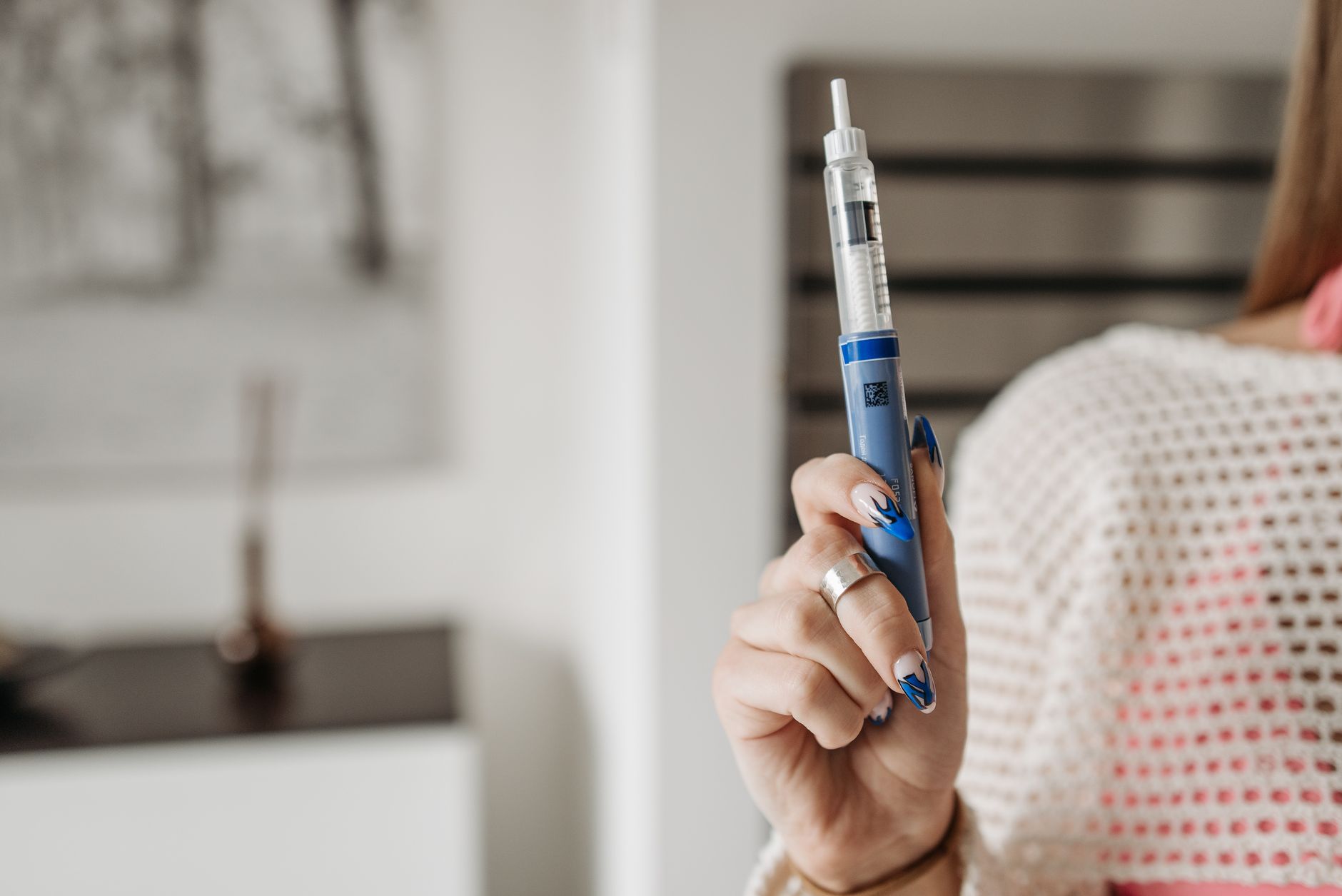
Both semaglutide and tirzepatide belong to a class of medicines that mimic gut hormones involved in appetite regulation. Semaglutide targets GLP-1 receptors; tirzepatide targets both GLP-1 and GIP receptors, which is why it tends to produce slightly larger weight reductions in trials. They are given as weekly subcutaneous injections and work primarily by slowing gastric emptying, reducing appetite, and increasing feelings of fullness. Neither is a stimulant or a crash diet in injection form. If you want a fuller breakdown of the broader drug pipeline in this space, I covered that in detail in what the GLP-1 drug pipeline means for obesity treatment in the UK.
The distinction matters because the NHS prescribes them under separate pathways with different eligibility thresholds, and they are not interchangeable on prescription.
NICE eligibility criteria: the actual rules
NICE approved Wegovy (semaglutide 2.4mg weekly) in March 2023 for adults with a BMI of 35 or above plus at least one weight-related health condition, or a BMI of 30-34.9 for those referred through specialist weight management services. That second route exists but is rarely discussed. Mounjaro (tirzepatide) received NICE approval in December 2023 with broadly similar criteria: a BMI of at least 35 alongside a relevant comorbidity such as type 2 diabetes, hypertension, or obstructive sleep apnoea, or a BMI of 30-34.9 with at least one comorbidity.
Both drugs are approved for use within specialist NHS weight management services only, not through a standard GP consultation. This is the detail most media coverage skips over. Your GP cannot simply write a prescription. You need a referral into a Tier 3 or Tier 4 weight management service, and those services are not uniformly available across England. NHS England’s own guidance specifies a two-year treatment period initially, after which clinicians review whether to continue.
People with a personal or family history of medullary thyroid carcinoma or multiple endocrine neoplasia syndrome type 2 are excluded. Active pancreatitis is also a contraindication. The MHRA keeps the safety profile of both drugs under ongoing review, as it does with all medicines in the post-authorisation period.
What the waiting lists actually look like
This is where things get frustrating. The NHS Tier 3 weight management services that gatekeep access to these drugs are chronically under-resourced. In many areas, waits of 18 months to two years are reported. Some integrated care boards have introduced their own local formulary restrictions on top of the NICE guidance, meaning eligibility can vary by postcode even among patients who technically meet the national criteria.
NHS England published a phased roll-out plan in 2023, prioritising patients with the highest BMI and greatest metabolic risk, partly because demand immediately outstripped supply. Manufacturing constraints on semaglutide specifically caused shortages through 2024 that are only now beginning to ease. Tirzepatide supply has been somewhat more stable since its launch, but availability through NHS pathways remains patchy.
For context: Diabetes UK estimated in early 2025 that fewer than 50,000 people in England had accessed weight loss injections through the NHS, against an eligible population that NICE’s own analysis put at around 3.4 million. The gap is real and large.
What do the long-term trials actually show?
The headline trial results are genuinely impressive. The STEP 1 trial for semaglutide, published in the New England Journal of Medicine, showed an average weight reduction of around 15% body weight over 68 weeks in adults without diabetes. The SURMOUNT-1 trial for tirzepatide showed reductions of up to 22.5% in the highest dose group. Those are meaningful numbers for people who have struggled with weight for years.
But there are things you should know that do not make it into the press releases. Weight regain after stopping the medication is substantial. The STEP 4 trial found that participants who discontinued semaglutide after 20 weeks regained two-thirds of their lost weight within a year. This suggests these drugs currently function more like maintenance therapy than a finite course. Long-term cardiovascular outcome data is more reassuring: the SELECT trial showed a 20% reduction in major cardiovascular events in people with pre-existing cardiovascular disease taking semaglutide, which is a harder endpoint than weight alone.
Side effects are worth addressing honestly. Nausea, vomiting, and diarrhoea are common, particularly during dose escalation, and a proportion of trial participants discontinued treatment because of gastrointestinal symptoms. Muscle mass loss alongside fat loss is a real concern that is increasingly being studied; current evidence suggests that combining treatment with adequate protein intake and resistance exercise helps preserve lean mass, though optimal protocols are still being worked out.
The relationship between these drugs and insulin resistance is also relevant. I have written about insulin resistance in UK adults who have never been told they have it, and for that population, GLP-1 drugs may offer real metabolic benefit beyond weight alone, though current NHS eligibility requires a formal diagnosis to access that pathway.
Private clinics and the regulation problem
Because NHS access is so restricted, a large market of private prescribers has filled the gap. Some are legitimate specialist clinics with appropriate clinical oversight. Others are essentially online questionnaire services with minimal medical review. The MHRA and CQC have both flagged concerns about prescribing standards in this sector, and there have been documented cases of people receiving tirzepatide without adequate baseline assessment.
If you are considering the private route, checking that the prescribing clinician is registered with the GMC and that the service follows Faculty of Obesity Medicine guidance is a reasonable starting point. It is also worth asking explicitly whether follow-up includes monitoring for side effects and regular review, because a prescription without ongoing oversight carries real risk.
The broader picture of how health apps and digital prescribers operate in a regulatory grey area is something I have examined before in the context of what happens when NHS waits push patients toward DIY health solutions. The same dynamics apply here.
What to do if you think you qualify
Start with your GP. Ask specifically about referral to a Tier 3 weight management service, and ask what the wait is in your integrated care board area. If you have weight-related comorbidities, make sure those are documented in your notes because they affect your priority. Ask whether your GP practice has received any updated NHS England guidance on prescribing through primary care, since the roll-out criteria are still evolving.
If the wait is prohibitive and you are considering private options, take the same approach you would with any medical treatment: verify the prescriber’s credentials, read the small print on follow-up care, and be honest with your GP about what you are taking, because these drugs can interact with other medications and your GP needs the full picture.
The evidence for semaglutide and tirzepatide is real and, for the right patients, clinically meaningful. The NHS access system is genuinely underpowered to deliver on that promise at scale right now. Both things are true at the same time.
Frequently Asked Questions
Can my GP prescribe weight loss injections on the NHS?
Currently, NHS weight loss injections including semaglutide and tirzepatide are approved for use through specialist Tier 3 or Tier 4 weight management services, not through a standard GP consultation. Your GP can refer you to one of these services, but cannot prescribe the injections directly in most integrated care board areas.
What BMI do you need for NHS weight loss injections in the UK?
NICE eligibility requires a BMI of 35 or above alongside at least one weight-related health condition such as type 2 diabetes or hypertension. A BMI of 30 or above may qualify if you have at least one relevant comorbidity, but this lower threshold typically requires referral through a specialist pathway rather than standard GP referral.
How long does it take to get weight loss injections on the NHS?
Waiting times vary significantly by area, but waits of 12 to 24 months for Tier 3 weight management services are common in many parts of England. NHS England’s phased roll-out and ongoing supply constraints have kept access limited relative to the eligible population.
Do you regain weight after stopping semaglutide or tirzepatide?
Yes. The STEP 4 trial showed that people who stopped semaglutide after 20 weeks regained around two-thirds of their lost weight within a year. Current evidence suggests these drugs work best as longer-term maintenance therapy rather than a fixed course, which has significant implications for NHS prescribing models.