

There is a condition quietly affecting an estimated one in three UK adults. It raises the risk of type 2 diabetes, heart disease, and fatty liver. It contributes to weight gain, brain fog, fatigue, and hormonal disruption. And the standard NHS blood test used in routine health checks almost certainly will not catch it until it has already done years of damage. That condition is insulin resistance, and most people who have it have never been told.
What insulin resistance actually is
Insulin is a hormone produced by the pancreas. Its job is to let glucose from food enter your cells, where it gets used as energy. Insulin resistance means your cells stop responding to insulin properly. The pancreas compensates by producing more insulin. Blood glucose stays roughly normal for a long time, because the pancreas is working overtime to keep things in check. But the system is under strain, and that strain accumulates.
Eventually, the pancreas cannot keep up. Blood glucose starts rising. That is when a GP might finally flag something on a test. But by that point, insulin resistance may have been present for ten or fifteen years. According to Diabetes UK, around 13.6 million people in the UK are at increased risk of developing type 2 diabetes. Many of them are in exactly this position: not yet diabetic, but already metabolically compromised.
Why NHS blood tests miss it
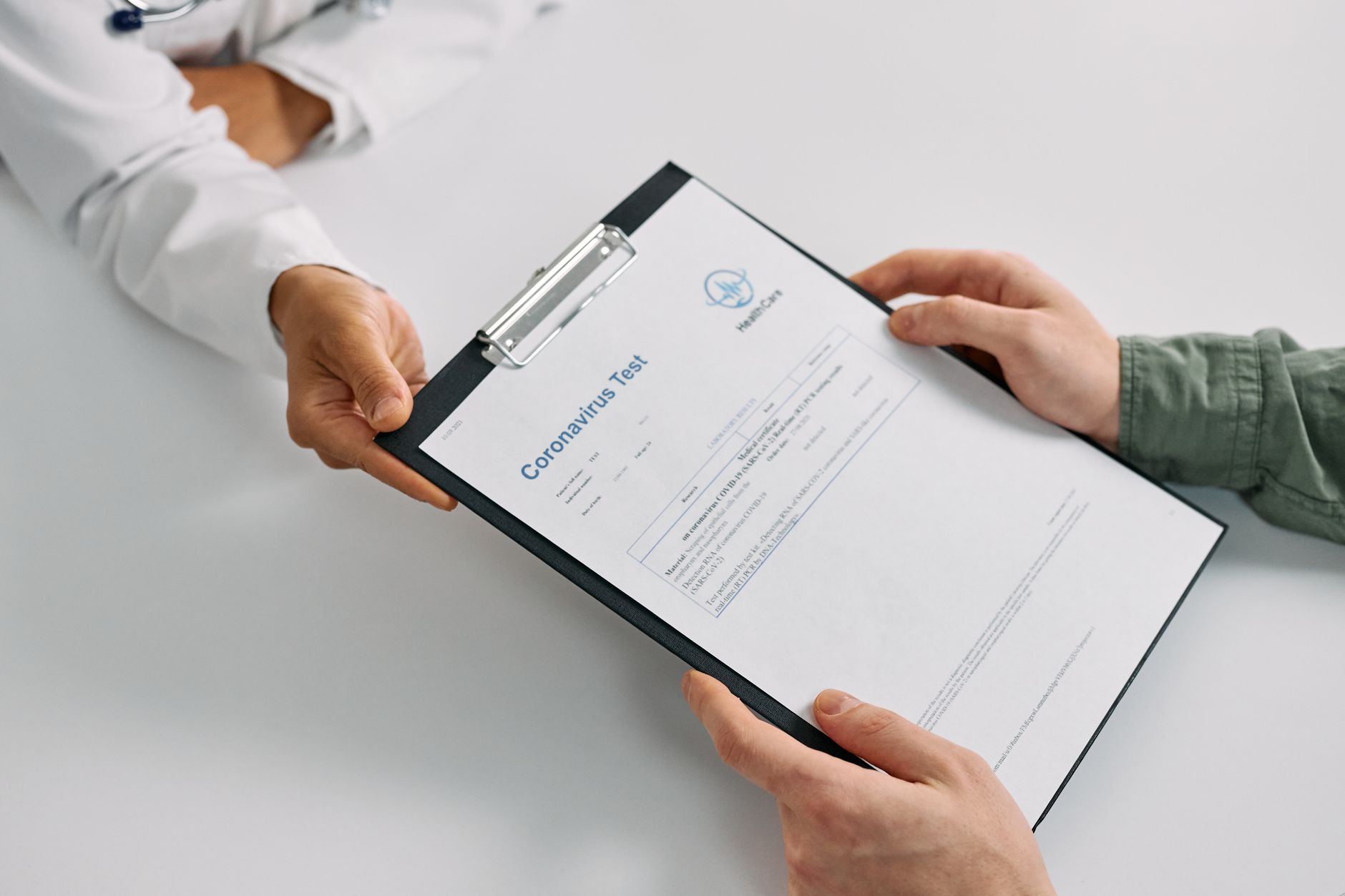
The main test GPs use is fasting blood glucose, or HbA1c (a three-month average of blood sugar levels). These are good tests for diagnosing type 2 diabetes. They are poor tools for catching insulin resistance early. Here is why: during the compensatory phase, when the pancreas is flooding the body with extra insulin to keep glucose in range, fasting glucose can look completely normal. You could have significantly elevated insulin and still get a clean result on a standard check.
A fasting insulin test, or a HOMA-IR calculation (which uses both fasting insulin and glucose to estimate insulin sensitivity), would be far more informative. These are not routinely offered on the NHS. Private clinics do offer them, but at a cost most people will not pay unless they already know to ask. The NHS Health Check, available to adults aged 40 to 74, includes cholesterol, blood pressure, and BMI alongside blood glucose. It is a reasonable screen for cardiovascular risk. It is not designed to catch insulin resistance early enough to prevent it progressing.
I think this is one of the more frustrating gaps in UK preventive medicine. The information exists. The tests exist. The window for intervention is wide. But the pathway to catch it routinely does not.
What is driving insulin resistance in the UK
Several converging factors make the UK particularly vulnerable. Ultra-processed food now accounts for more than half of the average British adult’s calorie intake, according to research published in The BMJ. These foods tend to be high in refined carbohydrates and low in fibre, which drives repeated glucose spikes and keeps insulin levels chronically elevated.
Physical inactivity is another major driver. Sedentary working patterns affect millions of UK adults, and muscle tissue is one of the primary sites where glucose gets cleared from the bloodstream. Less muscle activity means slower glucose clearance, which means higher insulin demand over time. Strength training and even brisk walking meaningfully improve insulin sensitivity, but around a quarter of UK adults do less than 30 minutes of moderate physical activity per week.
Sleep is also a significant factor that gets underestimated. A single night of poor sleep measurably worsens insulin sensitivity the following day. Chronic sleep disruption, which is increasingly common across the UK, sustains this impairment long-term. Stress raises cortisol, which antagonises insulin. Excess visceral fat, particularly the fat stored around the abdomen and organs, is both a cause and a consequence of insulin resistance. It is a cycle that, once established, tends to reinforce itself.
Certain groups face higher baseline risk. South Asian adults in the UK develop type 2 diabetes at lower BMI thresholds, and often at younger ages. Black British adults are also at elevated risk. The standard BMI and glucose cut-offs used by the NHS were derived largely from white European populations, which means insulin resistance may be even more systematically under-detected in these communities.
Signs that might point to insulin resistance
There is no single symptom that confirms it, and many people have no noticeable symptoms at all. That said, some patterns are worth paying attention to. Persistent fatigue after meals, especially carbohydrate-heavy ones, is common. So is difficulty losing weight despite eating reasonably and moving regularly. Skin tags or dark patches of skin around the neck or armpits (a condition called acanthosis nigricans) can be a visible indicator. Polycystic ovary syndrome (PCOS) is closely linked to insulin resistance, and many women with PCOS are never told about this connection. Raised triglycerides and low HDL cholesterol on a standard lipid panel are also metabolic signals worth discussing with a GP.
None of these individually confirms anything. But if several apply, it is worth having a direct conversation with your GP rather than waiting for a routine check to flag something years down the line.
What you can actually do to reverse early insulin resistance
The evidence here is more encouraging than most people expect. Insulin resistance is not a fixed state. The body retains a significant capacity to improve insulin sensitivity, particularly in the earlier stages, and lifestyle changes are the most effective tool available.
Reducing refined carbohydrate intake is probably the highest-leverage dietary change. This does not necessarily mean eliminating carbohydrates entirely. It means shifting towards whole grains, legumes, and vegetables, which digest more slowly and produce more modest insulin responses. Increasing fibre intake matters too, both for blood sugar management and for gut health. The average UK adult consumes around 18g of fibre per day against a recommended 30g, a gap with real metabolic consequences.
Resistance training is the most underrated tool for improving insulin sensitivity. Skeletal muscle is the body’s largest glucose sink, and building and maintaining it makes a measurable difference to how efficiently glucose gets cleared after meals. Two or three sessions per week produces meaningful benefits. You do not need a gym. Bodyweight exercises at home, done consistently, work.
Walking after meals, even for ten minutes, blunts post-meal glucose spikes. It is a small intervention but one backed by solid evidence. Improving sleep quality, managing chronic stress, and reducing alcohol intake all move the dial in the same direction. None of these are dramatic. Taken together, they are genuinely powerful.
If you are concerned, ask your GP for an HbA1c and fasting glucose test. If you want a more complete picture, a private fasting insulin test is available through services like Medichecks or Thriva for around £30 to £50. That is not a formal endorsement, but it is a concrete option for people who want clearer data.
The relationship between what we eat, how we move, and how we sleep is central to metabolic health in ways that extend well beyond insulin. If you have been reading about dietary fat and cardiovascular risk, or following the ongoing conversation about why sleep debt in the UK keeps getting worse, the threads connect. Insulin resistance sits at the intersection of all of them.
The frustrating truth is that the NHS, as it stands, is not well-structured to catch this early. Prevention budgets are thin, appointment times are short, and the tests most useful for early detection are not part of standard care. That does not mean there is nothing to be done. It means you may need to be the one who asks the right questions.
Frequently Asked Questions
Can you have insulin resistance without being diabetic?
Yes, and this is extremely common. Insulin resistance typically precedes type 2 diabetes by many years. During this period, the pancreas compensates by producing more insulin, keeping blood glucose in a normal range while the underlying problem quietly worsens. Standard NHS blood glucose tests will often show nothing unusual at this stage.
What blood test shows insulin resistance in the UK?
A fasting insulin test, combined with fasting glucose, allows a HOMA-IR calculation that estimates insulin sensitivity. This is not routinely offered on the NHS but is available through private health testing services for around £30 to £50. Standard HbA1c and fasting glucose tests, which GPs typically use, are designed to detect diabetes rather than pre-diabetic insulin resistance.
What are the early signs of insulin resistance?
Common signs include fatigue after carbohydrate-heavy meals, difficulty losing weight despite reasonable diet and exercise, raised triglycerides or low HDL on a lipid test, skin tags, dark skin patches around the neck or armpits, and, in women, polycystic ovary syndrome. None of these individually confirms insulin resistance, but they are worth raising with a GP.
Can insulin resistance be reversed without medication?
In the early stages, lifestyle changes can substantially improve or fully reverse insulin resistance. Reducing refined carbohydrate intake, increasing fibre, doing regular resistance training, walking after meals, improving sleep quality, and managing stress all improve insulin sensitivity meaningfully. The earlier these changes are made, the more effective they tend to be.
Which groups in the UK are most at risk of insulin resistance?
South Asian and Black British adults are at significantly higher risk and tend to develop metabolic complications at lower BMI thresholds than white European adults, meaning standard screening cut-offs may miss them. Adults with PCOS, those who are physically inactive, people with chronic sleep problems, and those carrying excess abdominal fat are all at elevated risk.
Leave a Reply