Author: Ethan Miller

  • Vitamin D Deficiency Is Still Rampant in the UK — Here’s Why Nothing Has Changed

    Vitamin D Deficiency Is Still Rampant in the UK — Here’s Why Nothing Has Changed

    Around one in five people in the UK has low vitamin D levels. That figure comes from the NHS and the National Diet and Nutrition Survey, and it has barely shifted in years. For certain groups, including older adults, people with darker skin tones, and those who spend most of their time indoors, the numbers are considerably worse. Vitamin D deficiency UK is not a niche concern. It is a mainstream public health problem that keeps getting quietly filed away.

    So why, in 2026, are we still here? The science is settled. The fix is cheap. And yet the problem persists. This article is a frank look at how that happened, and what you can do about it without waiting for policy to catch up.

    Grey overcast British street in winter illustrating the challenge of vitamin D deficiency UK
    Grey overcast British street in winter illustrating the challenge of vitamin D deficiency UK

    What vitamin D actually does — and why a shortfall matters

    Vitamin D is not optional. The body uses it to regulate calcium and phosphate, which in turn keep bones, teeth, and muscles working properly. A severe and prolonged deficiency causes rickets in children and osteomalacia in adults, conditions involving soft, painful bones. But the lower-level effects of chronic insufficiency are less dramatic and therefore easier to ignore: persistent fatigue, low mood, weakened immune response, and muscle weakness.

    There is also a growing body of research linking poor vitamin D status to increased risk of respiratory infections, autoimmune conditions, and cardiovascular disease. The NHS acknowledges this. Public Health England (now the UK Health Security Agency) has known it for decades. The Scientific Advisory Committee on Nutrition published a landmark report on vitamin D in 2016, recommending that everyone in the UK consider supplementation throughout the year. That was ten years ago.

    Why the UK is structurally bad at producing vitamin D

    The primary source of vitamin D is sunlight — specifically UVB rays hitting the skin. The problem is that the UK sits between roughly 50°N and 60°N latitude. Between October and March, the sun is at such a low angle that UVB rays cannot penetrate the atmosphere sufficiently to trigger vitamin D synthesis in the skin. That is five months of the year where sun exposure does almost nothing.

    Add to that the indoor working culture, the tendency to cover up during cold months, and the fact that darker skin requires significantly longer sun exposure to produce the same amount of vitamin D, and you have a structural problem baked into British life. This is not a lifestyle failure. It is a geographical and demographic reality.

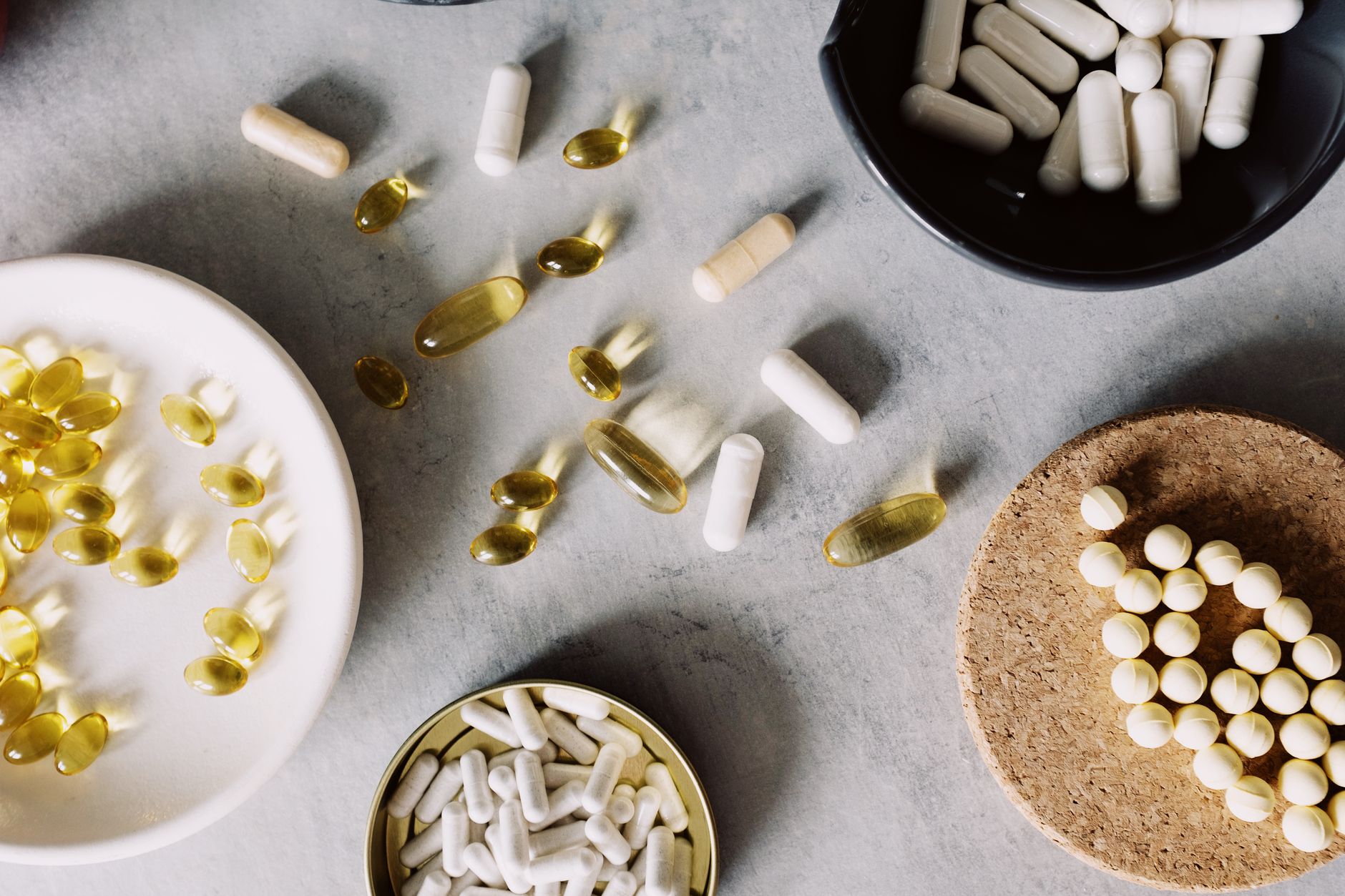
    Vitamin D supplement capsule on a wooden surface representing treatment for vitamin D deficiency UK
    Vitamin D supplement capsule on a wooden surface representing treatment for vitamin D deficiency UK

    Where policy has fallen short

    The 2016 SACN recommendation was clear: 10 micrograms (400IU) per day for everyone aged four and over, year-round. The government responded by updating NHS guidance and making vitamin D supplements available free via the Healthy Start scheme for pregnant women and young children in low-income households. That is a start, but it is nowhere near enough.

    Healthy Start uptake has historically been incomplete. Awareness among eligible families is patchy, and the scheme does not reach the broader population. There has been no serious push to fortify staple foods at a population level, which is one of the most effective interventions available. Countries like the United States and Canada mandated vitamin D fortification of dairy milk decades ago. The UK has relied on voluntary fortification, which means some cereals and plant milks contain vitamin D and some do not, with no consistency consumers can rely on.

    There have been calls from researchers and public health bodies for mandatory fortification of bread flour or milk. The evidence supports it. The cost is minimal. But progress has been slow, caught between food industry lobbying, bureaucratic inertia, and the fact that vitamin D deficiency rarely generates the kind of visible, acute crisis that forces political action.

    Who is most at risk in the UK right now

    Certain groups face disproportionately high risk of vitamin D deficiency UK-wide. They include:

    • People with South Asian, African, African-Caribbean, or Middle Eastern heritage, whose skin requires more UVB exposure to synthesise vitamin D
    • Adults over 65, whose skin becomes less efficient at producing vitamin D and who may spend less time outdoors
    • People who cover most of their skin for cultural or religious reasons
    • Those who are housebound or in care homes
    • Breastfed infants, since breast milk contains very little vitamin D
    • People with obesity, as vitamin D can become sequestered in fat tissue and less bioavailable

    For these groups, the NHS already recommends supplementation. But recommendation and action are two different things. A GP appointment is required to test for deficiency in most cases, and unless someone presents with obvious symptoms, testing is rarely routine.

    What you can actually do about it

    The good news is that the individual fix is simple, affordable, and well-supported by evidence. A daily supplement of 10 micrograms (400IU) is the NHS baseline recommendation for adults during autumn and winter. Some researchers and clinicians argue this is conservative, particularly for people in higher-risk groups, and that 25 micrograms (1000IU) may be more appropriate. The NHS also notes that taking up to 100 micrograms daily is unlikely to cause harm, though 25 micrograms is a more practical upper target for most people without confirmed deficiency.

    Vitamin D3 (cholecalciferol) is the form most often recommended, as it is more effective at raising blood levels than D2. It is available from most pharmacies and supermarkets for less than £5 for a three-month supply. That is genuinely one of the cheapest, evidence-backed things you can do for your health in the UK.

    If you suspect a significant deficiency, a blood test measuring 25-hydroxyvitamin D is the standard check. You can request this through your GP, though waiting times vary. Private testing is also available through services like Medichecks or your local pharmacy for around £30-£50, and can be useful if you want a baseline before adjusting your supplement dose.

    Diet contributes, but it is hard to rely on food alone. Oily fish (salmon, mackerel, sardines), egg yolks, and fortified foods contain vitamin D, but the amounts are modest. You would need to eat oily fish every single day to approach the recommended intake from food alone, which is neither practical nor desirable for most people.

    The honest summary

    Vitamin D deficiency UK remains widespread not because the problem is hard to solve, but because the solutions require coordination that has not materialised. Policy has moved slowly. Fortification remains voluntary. Awareness is uneven. And the people most at risk are often least likely to receive proactive advice.

    What you can control is your own intake. Take a daily vitamin D3 supplement throughout autumn and winter at minimum. If you are in a higher-risk group, consider year-round supplementation. Get a blood test if you have persistent fatigue or muscle aches that have no obvious explanation. The solution is genuinely that accessible. It just requires you to act rather than waiting for a system that has been slow to do so.

    Frequently Asked Questions

    How common is vitamin D deficiency in the UK?

    Around one in five people in the UK has low vitamin D levels, according to NHS data and the National Diet and Nutrition Survey. Rates are higher among older adults, people with darker skin tones, and those who spend little time outdoors.

    What are the symptoms of vitamin D deficiency?

    Common symptoms include persistent fatigue, bone or muscle pain, low mood, and increased susceptibility to infections. Severe deficiency can cause osteomalacia in adults or rickets in children, both involving bone softening and pain.

    How much vitamin D should I take as a supplement in the UK?

    The NHS recommends 10 micrograms (400IU) per day for adults, particularly during autumn and winter. People in higher-risk groups may benefit from 25 micrograms daily; you should consult a GP if you have a confirmed deficiency.

    Can I get enough vitamin D from sunlight in the UK?

    Between April and September, most people can get sufficient vitamin D from 10-30 minutes of midday sun on their arms and face. However, from October to March, UK sunlight is too weak to trigger vitamin D synthesis in the skin, making supplementation important.

    How do I get tested for vitamin D deficiency in the UK?

    You can request a 25-hydroxyvitamin D blood test through your GP. Private testing is also available through services like Medichecks or some pharmacies for around £30-£50, providing a useful baseline if you want to check your levels without waiting.

  • Digital Detox or Digital Balance? A Realistic Guide to Healthier Screen Time in 2026

    Digital Detox or Digital Balance? A Realistic Guide to Healthier Screen Time in 2026

    The average UK adult now spends roughly nine hours a day looking at screens, according to data from Ofcom’s Adults’ Media Use and Attitudes report. That includes work, leisure, and everything in between. The instinctive response is to declare a “digital detox” and go phone-free for a weekend. It feels virtuous. It rarely sticks. A more honest conversation centres on building healthy screen time habits adults can actually maintain, without pretending we can simply opt out of a world that runs on connectivity.

    Woman practising healthy screen time habits adults should adopt by leaving phone face-down at breakfast
    Woman practising healthy screen time habits adults should adopt by leaving phone face-down at breakfast

    Why the All-or-Nothing Approach Tends to Fail

    Cold-turkey breaks from screens sound appealing, but the research is mixed on whether they produce lasting change. A 2023 study published in PLOS ONE found that short digital detoxes often produced a rebound effect, with people increasing usage in the days immediately following a break. The underlying habits, the reflexive phone-checking, the doom-scrolling before bed, remained untouched.

    The problem is not screens themselves. It is the absence of intentional choices about when, how, and why we use them. Passive consumption of social media at 11pm is physiologically and psychologically very different from a video call with a friend or a focused hour of deep work. Treating all screen time as equivalent is where most advice goes wrong.

    What Excessive Screen Use Actually Does to Mental Health

    There is now a reasonably solid body of evidence linking passive social media use to increased symptoms of anxiety and depression in adults. A systematic review published in the BMJ Open in 2022 found associations between high social media use and poorer sleep quality, lower mood, and reduced life satisfaction, particularly in the 18-35 age group.

    Sleep disruption is a large part of the story. Exposure to blue light from screens suppresses melatonin production, delaying the onset of sleep. The NHS advises avoiding screens for at least an hour before bed, and the science backs that up clearly. Poor sleep compounds everything else: concentration, mood regulation, immune function, metabolic health. This is not about being precious. It is a legitimate physiological chain reaction.

    Cognitive fragmentation is another underappreciated effect. Every notification interrupts a thought process. Research from the University of California found it takes an average of 23 minutes to fully regain focus after an interruption. Multiply that across a working day and the cumulative cost to productivity and mental clarity becomes significant.

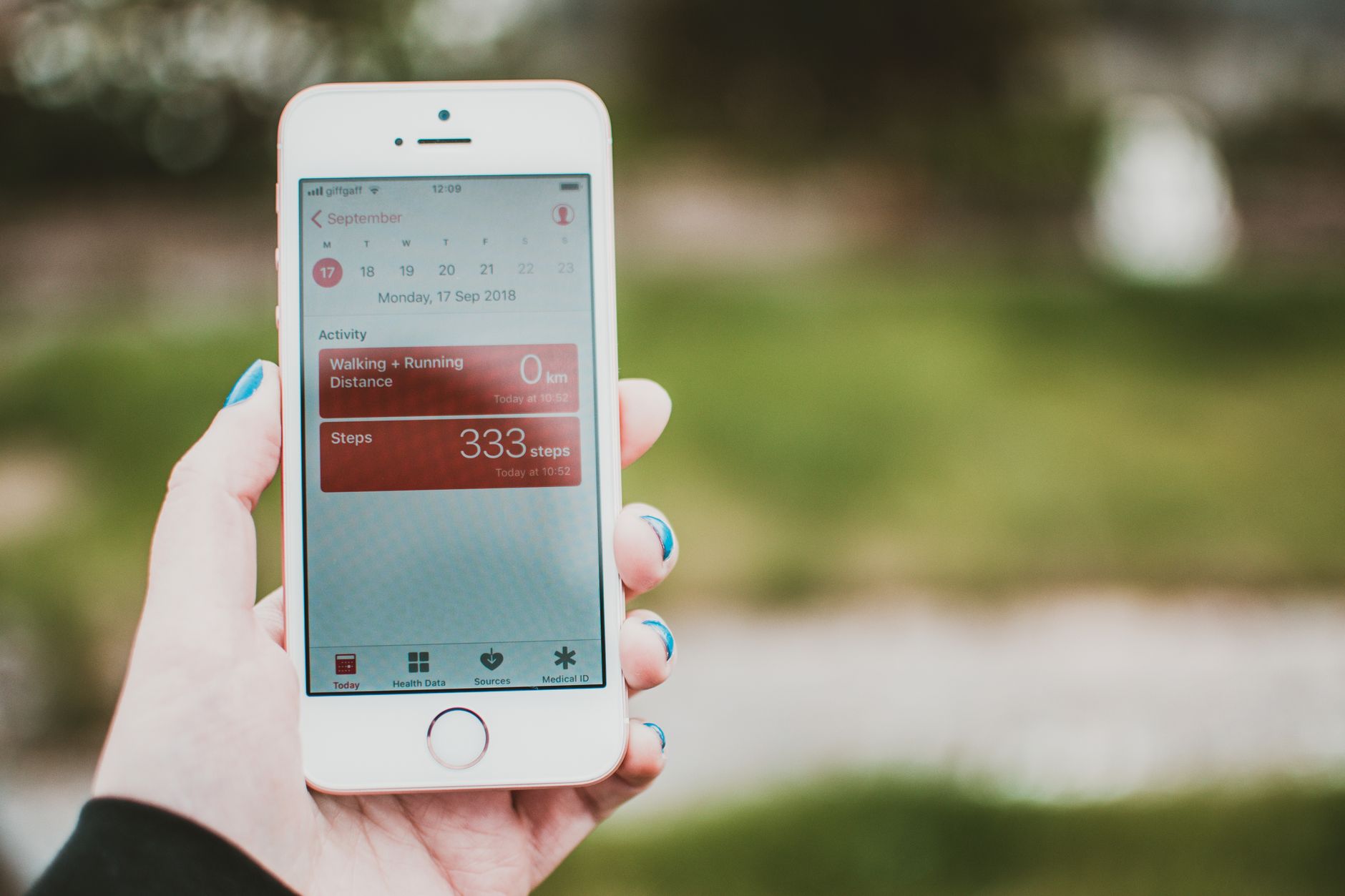
    Person reviewing screen time data as part of healthy screen time habits adults can build with built-in phone tools
    Person reviewing screen time data as part of healthy screen time habits adults can build with built-in phone tools

    Practical Healthy Screen Time Habits Adults Can Start This Week

    The goal here is not abstinence. It is intentionality. These are evidence-informed adjustments, not punishments.

    Define your no-screen windows

    The most consistently effective habit is to designate specific times when screens are simply off. The hour before sleep is the most impactful. So is the first 30 minutes after waking, when cortisol levels are naturally elevated and the brain is at its most receptive to deep thought. Starting the day with a notification feed sets a reactive, fractured tone for hours afterwards.

    Separate work screens from leisure screens

    If you work from home, this matters more than ever. Using the same device, in the same room, for both Teams meetings and late-night television trains your brain to associate that screen with both effort and rest, making genuine relaxation harder. Even a simple physical separation, laptop closed on the desk, phone on charge in another room, sends clear signals.

    Audit what you are actually consuming

    Most people dramatically underestimate passive screen use. iOS Screen Time and Android Digital Wellbeing both provide weekly breakdowns. Spend five minutes reviewing yours. Not to feel guilty, but to make informed choices. If you are spending two hours a day on a platform that leaves you feeling worse, that is useful data.

    Replace, do not just remove

    Telling yourself to “use your phone less” without replacing that behaviour with something else almost always fails. The itch does not disappear. Replace evening scroll time with something that uses your hands: cooking, reading a physical book, a short walk. The substitution approach is consistently better supported by habit research than pure restriction.

    Use technology to manage technology

    This sounds circular but it works. Focus modes on iPhones and Android devices, app timers, and greyscale display settings all reduce the compulsive pull of screens without requiring willpower every time. Grayscale mode in particular reduces the visual reward of notifications and has been shown in several small studies to reduce compulsive phone-checking. It takes about 30 seconds to activate in your display settings.

    The Workplace Dimension Most Guides Ignore

    A significant chunk of adult screen time is not optional. Office workers in the UK spend an average of six to seven hours per day at a computer, and many are now managing communications across three or more platforms simultaneously. Teams, Slack, email, and a browser with multiple tabs open is the modern working environment for millions of people.

    Here, micro-habits matter more than grand resets. Closing email for a 90-minute focused work block, turning off non-urgent notification sounds during deep work, and scheduling specific times to check messages rather than responding reactively, these are strategies endorsed by occupational health bodies and they are genuinely achievable without permission from your employer.

    Healthy screen time habits adults need at work are different from those at home, but the underlying principle is the same: intentional use beats constant availability.

    Children and Screen Time: Why Your Habits Matter More Than You Think

    If you have children in the house, your own screen behaviour sets the baseline expectation. NHS guidance recommends that children under two avoid screens almost entirely, and that older children have structured, time-limited use. But children model adult behaviour closely. Research consistently shows that parents who check their phones frequently at mealtimes or during conversations raise children who regard that as normal and acceptable.

    This is not a judgement. It is an incentive. Building your own healthier screen habits has a downstream effect on the whole household.

    When to Seek More Support

    For most people, screen overuse is a habit problem, not a clinical one. But compulsive phone use that causes genuine distress, interferes with relationships, or feels genuinely uncontrollable may warrant a conversation with a GP. Behavioural addictions are increasingly recognised by clinicians, and cognitive behavioural therapy (CBT) has good evidence for compulsive internet use. The NHS Long Term Plan includes expanded access to digital mental health support, which is worth exploring if habits feel beyond self-management.

    The honest takeaway is this: screens are not going away, and treating every hour on a device as harmful misses the point. The question is whether your screen use is serving you or draining you. Small, consistent adjustments to how and when you engage with technology will do more for your wellbeing than any weekend detox ever could.

    Frequently Asked Questions

    How many hours of screen time is healthy for adults per day?

    There is no universal limit, but most health professionals focus on quality and context rather than total hours. Passive social media scrolling has more negative associations with mood and sleep than purposeful work or video calls. If your screen use is affecting your sleep, focus, or mental health, that is a more useful signal than raw hours.

    Does blue light from screens actually damage your eyes or sleep?

    The evidence on eye damage from blue light is currently weak, but the sleep disruption effect is well-supported. Blue light suppresses melatonin production, which delays sleep onset. The NHS recommends avoiding screens for at least an hour before bed to protect sleep quality.

    What is the best app for tracking and reducing screen time on Android or iPhone?

    Both Android Digital Wellbeing and Apple Screen Time are built-in and free. They provide detailed breakdowns by app and allow you to set daily limits. Third-party options like Freedom or Opal offer more granular controls for blocking distracting apps during set periods.

    Can screen time cause anxiety or depression in adults?

    High levels of passive social media use in particular have been consistently linked to increased anxiety and lower mood in adult populations, based on multiple peer-reviewed reviews including studies published in BMJ Open. Active, intentional screen use such as video calling friends shows far weaker negative associations.

    How do you reduce screen time when your job requires a computer all day?

    Focus on reducing optional and passive use outside work hours rather than total hours. Practical steps include keeping your phone out of the bedroom, disabling non-essential notifications after a set time in the evening, and scheduling specific windows to check email rather than responding reactively throughout the day.

  • The Truth About AI Productivity Tools: Do They Help or Just Create More Noise?

    The Truth About AI Productivity Tools: Do They Help or Just Create More Noise?

    There is a version of the story where AI productivity tools transform your working day. Emails answered in seconds, meeting notes summarised before you have even left the room, first drafts produced whilst you get on with thinking. And to be fair, some of that is genuinely happening. But there is another version, one that cognitive scientists are increasingly interested in, where these tools simply add another layer of noise to already overwhelmed brains. The truth, as usual, sits somewhere between the two.

    Assessing AI productivity tools effectiveness honestly means looking at what the research actually says, not what the marketing decks promise. And it means taking seriously the cost that comes with every new tool you add to your workflow.

    Professional reviewing AI productivity tools effectiveness at a modern London office desk
    Professional reviewing AI productivity tools effectiveness at a modern London office desk

    What cognitive science tells us about tools and attention

    The human brain has a finite capacity for what researchers call “executive function” — the mental bandwidth that handles planning, decision-making, and sustained focus. Gloria Mark at the University of California has documented over many years that it takes an average of around 23 minutes to fully regain deep focus after an interruption. That finding holds up across replications, and it has uncomfortable implications for any tool that pings you, nudges you, or asks for a micro-decision.

    The issue with many AI productivity tools is not the AI itself. It is the interface. Notifications, suggested replies, inline prompts, smart compose suggestions — each one is a small cognitive interrupt. The brain registers it, evaluates it, and either acts on it or suppresses it. Both options cost something. Research published by the British Psychological Society has explored how multitasking and digital interruptions correlate with increased cortisol levels and reduced performance on complex tasks. You can read more about their research summaries on the BPS website.

    This does not mean AI tools are inherently bad for your brain. It means that how they are designed and how you use them matters enormously.

    Where AI tools genuinely do improve output

    Let’s be specific, because broad dismissals are just as unhelpful as breathless enthusiasm.

    Transcription and summarisation tools have a strong evidence base for reducing cognitive load. If you spend time in back-to-back meetings, a tool like Otter.ai or Microsoft Copilot’s meeting summary feature can free up the mental effort you would otherwise spend on note-taking. That is not a distraction. It is a genuine offload of routine processing, which leaves more capacity for higher-order thinking.

    Writing assistance tools show similar promise when used in a specific way: as a drafting aid after you have done your thinking, not as a shortcut that replaces it. Studies from the Oxford Internet Institute suggest that people who use AI to sharpen drafts they have already structured report feeling more confident in their final output, without the cognitive shortcut effect that can flatten original thinking.

    Task management and prioritisation tools are more mixed. Some people find that AI-assisted scheduling (tools that automatically block focus time or reorder tasks based on deadlines) reduces decision fatigue at the start of the working day. Others find the handover of control anxiety-inducing. Individual differences here are real and should not be papered over.

    Close-up of someone taking notes while testing AI productivity tools effectiveness
    Close-up of someone taking notes while testing AI productivity tools effectiveness

    When AI tools become the problem

    The pattern that emerges from user research is telling. People who adopt multiple AI productivity tools simultaneously, who are essentially trying to AI their way out of a structural overload problem, tend to report higher stress, not lower. A 2025 survey by Workfront (part of Adobe) found that UK knowledge workers using five or more digital tools simultaneously reported 34% higher feelings of overwhelm than those using fewer than three, even when overall task volume was similar.

    There is also a subtler issue worth naming: the cognitive tax of managing the tools themselves. Every AI assistant you add to your stack requires configuration, prompting, verification, and occasional correction. For complex or sensitive work, that verification step is not optional. Errors in AI-generated content have real consequences, and the mental effort of checking output can negate the time saved in generating it.

    AI productivity tools effectiveness is therefore not a fixed property. It is highly context-dependent. A freelance copywriter who uses one AI tool for research and one for first drafts may genuinely feel sharper and more productive. A project manager who has been given six AI tools by their employer, none of them integrated, is almost certainly experiencing the opposite.

    The wellbeing angle is not separate from the productivity one

    This matters for health reasons, not just output reasons. Chronic cognitive overload is associated with poorer sleep, higher rates of anxiety, and the kind of low-grade mental fatigue that builds up over weeks rather than days. The NHS’s own guidance on workplace stress notes that sustained pressure on attention and decision-making is among the most common drivers of burnout presentations in primary care.

    If your AI tools are adding to that load rather than reducing it, the productivity gains are illusory. You might move faster in the short term. You will pay for it in focus, mood, and recovery time.

    The honest advice, grounded in what research actually shows, is to treat AI productivity tools as you would any supplement or intervention: start with one, give it a genuine trial period, and measure the effect on your actual output and your subjective sense of control. If it helps, keep it. If it adds cognitive weight without clear return, cut it.

    A practical framework for choosing what stays

    Three questions worth asking before adopting any new AI tool:

    Does it remove a task I currently find draining, or does it add a new decision point? Draining task removal is valuable. New decision points are usually not.

    Can I use it in batch mode rather than real-time? Tools that work asynchronously, where you consult them rather than have them interrupt you, tend to fare better in attention research. Real-time suggestions and always-on assistants carry higher cognitive cost.

    Am I adopting this because it solves a real problem, or because it feels like progress? The novelty effect of new technology is well documented. It creates a short-term motivation spike that fades. Give any tool at least four weeks before deciding it has changed your working life.

    AI productivity tools effectiveness is real in the right contexts, with the right tools, used with deliberate restraint. The noise comes when we treat every new product as a solution to a problem we have not clearly defined. That is not a technology failure. It is a human one, and it is entirely fixable.

    Frequently Asked Questions

    Do AI productivity tools actually improve focus or make distraction worse?

    It depends heavily on how they are designed and how you use them. Tools used asynchronously, such as meeting summarisers or batch drafting assistants, tend to support focus. Real-time AI suggestions and notification-heavy interfaces often fragment attention, based on what cognitive research consistently shows.

    Which AI productivity tools are most effective for knowledge workers in the UK?

    Tools with clear, single-purpose functions tend to outperform all-in-one platforms. Meeting transcription tools like Otter.ai or Microsoft Copilot summaries, and focused writing assistants, receive the strongest user satisfaction scores in UK knowledge worker surveys. The key is avoiding tool sprawl.

    Can AI tools cause burnout or mental fatigue?

    Indirectly, yes. Research links high tool volume and constant digital interruption to elevated cortisol and reduced cognitive performance. If AI tools increase the number of micro-decisions you face rather than reducing them, they can contribute to the conditions associated with burnout over time.

    How long should I trial an AI productivity tool before deciding if it works?

    Most productivity and cognitive researchers suggest a minimum of four weeks to see past the novelty effect. Track something specific during that period, such as tasks completed, time spent on deep work, or your own sense of mental clarity at the end of each day.

    Are AI productivity tools worth paying for?

    Only if they solve a clearly identified problem. Many free tiers of tools like Notion AI, Copilot, or ChatGPT are sufficient for personal use. Paid tiers make more sense for high-volume, time-sensitive workflows where the time saving is measurable. Avoid paying for tools you have not trialled properly first.

  • Protein Targets Demystified: How Much You Actually Need Based on Your Goals and Age

    Protein Targets Demystified: How Much You Actually Need Based on Your Goals and Age

    The question of how much protein do I need daily is one of the most searched nutrition queries online, and the answers vary wildly depending on who you ask. Fitness influencers push extreme numbers. Conservative health bodies set targets that researchers now consider too low. And most people are left somewhere in the middle, unsure whether they are eating enough or far too much. This guide cuts through that noise with numbers that have genuine research behind them.

    Protein is not a trend. It is a fundamental macronutrient responsible for building and repairing tissue, producing enzymes and hormones, supporting immune function, and maintaining muscle mass throughout life. Getting it wrong, in either direction, carries real consequences.

    High-protein whole foods arranged on a kitchen counter, illustrating how much protein do I need daily
    High-protein whole foods arranged on a kitchen counter, illustrating how much protein do I need daily

    The Baseline: What Official Guidelines Actually Say

    The UK Reference Nutrient Intake (RNI) for protein, as set by the British Dietetic Association, sits at 0.75 grams per kilogram of body weight per day for the average healthy adult. For a 70 kg person, that works out to roughly 53 grams daily. This figure is designed to prevent deficiency, not to optimise health or performance. It is a floor, not a ceiling.

    A landmark review published in the British Journal of Sports Medicine, alongside multiple meta-analyses in the American Journal of Clinical Nutrition, consistently suggests that 1.2 to 1.6 grams per kilogram of body weight is a more appropriate target for most active adults seeking to maintain or improve their body composition. That same 70 kg person would benefit from somewhere between 84 and 112 grams per day under this framework.

    How Much Protein Do You Need If You Strength Train?

    For people who lift weights or engage in regular resistance training, the evidence supports a higher range. Research published in the Journal of the International Society of Sports Nutrition points to 1.6 to 2.2 grams per kilogram as the effective range for maximising muscle protein synthesis. Beyond that upper limit, additional protein does not appear to produce further muscle gain in most people; it simply gets oxidised for energy.

    Timing matters here too. Studies indicate that spreading protein intake across three to four meals, each containing 25 to 40 grams, produces a better anabolic response than front-loading or back-loading most of your intake into one or two sittings. The leucine content of each meal is particularly important; leucine is the amino acid most directly responsible for triggering muscle protein synthesis, and sources such as chicken, eggs, dairy, and soy deliver it in meaningful quantities.

    Portioning a high-protein meal of salmon and quinoa, relevant to understanding how much protein do I need daily
    Portioning a high-protein meal of salmon and quinoa, relevant to understanding how much protein do I need daily

    Protein Needs for Older Adults: Why the Numbers Go Up

    Ageing changes the equation significantly. A condition called anabolic resistance means that older muscle tissue is less sensitive to the same protein stimulus that would trigger synthesis in a younger person. Research from Maastricht University and published in the journal Clinical Nutrition suggests that adults over 65 benefit from 1.2 to 1.6 grams per kilogram per day at minimum, with some evidence supporting higher intakes of up to 2.0 grams for those who are frail or recovering from illness.

    Sarcopenia, the age-related loss of muscle mass, is a serious health concern. The European Society for Clinical Nutrition and Metabolism (ESPEN) formally recommends protein intakes of at least 1.0 to 1.2 grams per kilogram for healthy older adults, rising to 1.2 to 1.5 grams for those with acute or chronic illness. These are not aggressive numbers; they are what the research supports for maintaining functional independence as people age.

    Older adults also tend to absorb and utilise protein less efficiently from digestion, which strengthens the case for slightly larger individual portions (around 35 to 40 grams per meal) rather than smaller, more frequent servings.

    If You Are Sedentary, Do You Still Need More Than the RNI?

    Probably yes, though the gap narrows. A sedentary adult with no health conditions may be adequately served by 0.8 to 1.0 grams per kilogram, slightly above the UK RNI. That provides enough for daily tissue repair, immune support, and satiety without excess. However, research from the University of Stirling and other institutions suggests even sedentary older adults are better protected against muscle loss and metabolic decline when consuming closer to 1.2 grams per kilogram.

    Higher protein intake also supports satiety. Studies in the journal Obesity Reviews found that protein has a greater thermic effect than carbohydrate or fat, meaning the body uses more energy to process it. For sedentary individuals managing weight, increasing protein while keeping total calories stable can be a straightforward strategy with consistent support in the literature.

    Practical Ways to Hit Your Target

    Working out how much protein do I need daily is the first step; actually meeting that target is where most people struggle. A few practical anchors help. A 150g chicken breast contains around 45 grams of protein. Three large eggs deliver roughly 18 grams. A 200g serving of Greek yoghurt provides approximately 20 grams. A portion of cooked lentils (200g) offers around 18 grams for those following plant-based diets.

    Plant proteins can absolutely meet daily requirements, but require more planning. Combining sources such as legumes, tofu, tempeh, edamame, and quinoa throughout the day ensures full amino acid coverage. The International Society of Sports Nutrition confirmed in its position stand that total daily protein intake matters more than any single source, provided variety is present.

    When to Be Cautious

    High protein intake is safe for most healthy adults, but individuals with pre-existing kidney disease should consult a clinician before significantly increasing intake. The NHS advises that people with chronic kidney disease may need to restrict protein, as the kidneys are responsible for processing its metabolic byproducts. This is not a concern for healthy kidneys, but it is worth noting for anyone with a diagnosed condition.

    The take-home is straightforward. The standard RNI protects against deficiency; it does not define what is optimal. Most people, regardless of age or activity level, benefit from aiming higher, being consistent across meals, and choosing quality sources that deliver the full spectrum of essential amino acids.

    Frequently Asked Questions

    How much protein do I need daily to build muscle?

    For muscle building, the research consistently supports 1.6 to 2.2 grams of protein per kilogram of body weight per day. For a 75 kg person, that means roughly 120 to 165 grams daily. Spreading this across three to four meals, each containing 25 to 40 grams, helps maximise muscle protein synthesis according to the Journal of the International Society of Sports Nutrition.

    Is 50 grams of protein a day enough?

    For most adults, 50 grams per day is likely below the optimal threshold. The UK RNI is 0.75g per kilogram, which puts a 70 kg adult at around 53 grams, but this is the minimum to avoid deficiency, not the target for good health. Research from the British Journal of Sports Medicine suggests 1.2 to 1.6 grams per kilogram is more appropriate for most people, meaning 50 grams is likely insufficient unless you are quite small or entirely sedentary.

    Do older people need more protein than younger adults?

    Yes. Due to a process called anabolic resistance, older muscle tissue responds less efficiently to protein, requiring higher intake to achieve the same effect. The European Society for Clinical Nutrition and Metabolism (ESPEN) recommends at least 1.0 to 1.2 grams per kilogram daily for healthy older adults over 65, rising to 1.2 to 1.5 grams for those with illness or frailty.

    Can you get enough protein on a plant-based diet?

    Yes, but it requires planning. Plant-based sources like tofu, tempeh, lentils, edamame, and quinoa can cover daily protein needs, but no single plant food contains the complete amino acid profile that animal proteins provide. The International Society of Sports Nutrition confirms that total daily intake matters most, provided you eat a variety of complementary plant proteins throughout the day.

    Is too much protein bad for your kidneys?

    For healthy adults with no pre-existing kidney conditions, high protein intake has not been shown to cause kidney damage, according to research reviewed in the Journal of Nutrition and Metabolism. However, the NHS advises that individuals already living with chronic kidney disease should consult a doctor before increasing protein intake, as impaired kidneys may struggle to process the metabolic byproducts of protein metabolism.

  • Agentic AI Explained: What It Means When Your Software Starts Making Decisions for You

    Agentic AI Explained: What It Means When Your Software Starts Making Decisions for You

    Most people have now used a chatbot of some kind. You type something, it responds, and the exchange ends there. Agentic AI is a fundamentally different proposition. With agentic AI explained properly, the distinction becomes clear: these are software systems that don’t just respond to prompts but pursue goals, make decisions, and take sequences of actions across multiple tools and platforms, often without a human approving each step. That shift, from reactive assistant to autonomous actor, is one of the most consequential changes happening in technology right now.

    Understanding what these systems actually do, and where they fall short, matters whether you run a business, work in a regulated industry, or simply want to know what is being built into the software you already use every day.

    Person studying autonomous workflow systems on monitors, illustrating agentic AI explained in a modern tech workspace
    Person studying autonomous workflow systems on monitors, illustrating agentic AI explained in a modern tech workspace

    What Makes an AI System “Agentic”?

    A standard large language model responds to a single input and produces a single output. It has no memory between sessions, no ability to take action in the world, and no plan beyond answering the immediate question. Agentic systems are built differently. They combine a language model with persistent memory, tool access (web search, code execution, APIs, file systems), and a planning loop that allows them to break a goal into subtasks, attempt those subtasks, evaluate the results, and adjust their approach accordingly.

    The key word is autonomy. An agentic AI might be given a goal such as “research our three nearest competitors, summarise their pricing, and draft a report” and then complete that task end-to-end without further instruction. It decides which tools to use, in what order, and how to handle unexpected results along the way. This is categorically different from asking a chatbot to summarise a document you have already pasted in.

    Where Agentic AI Is Already Being Deployed in 2026

    Deployment is further along than most people realise. In software development, agentic systems now write, test, debug, and refactor code across entire projects, not just single functions. In customer operations, agents handle multi-step support queries by pulling account data, processing refunds, and updating records without routing the customer through a human at each stage. In legal and compliance work, agents review contracts, flag clauses against regulatory frameworks, and generate variance reports.

    Healthcare is one of the more significant frontiers. Agentic systems are being piloted to monitor patient data across multiple sources, identify early warning patterns, and generate clinical summaries for review by practitioners. The NHS and several private health networks in the UK have begun structured trials, with human oversight remaining mandatory at decision points. According to research published via the Lancet Digital Health, AI systems operating in a monitoring capacity can reduce the time clinicians spend on documentation by up to 40 percent, freeing capacity for direct patient care.

    Hands interacting with a decision-pathway interface, a detailed visual of agentic AI explained through connected automation nodes
    Hands interacting with a decision-pathway interface, a detailed visual of agentic AI explained through connected automation nodes

    The creative and manufacturing sectors are also seeing genuine adoption. Companies managing complex production workflows, including print and fulfilment businesses such as Print Shape, a UK-based online printing service, are using agentic tools to automate order routing, production scheduling, and quality checks across interconnected systems. The appeal is consistency and speed at scale, tasks that would require a team of coordinators handled by a system that runs continuously.

    The Genuine Risks You Should Understand

    The risks are not hypothetical. They are already being observed in early deployments and are worth taking seriously rather than dismissing as science fiction.

    The first is compounding errors. Because agentic systems act across multiple steps, a mistake made early in a task can propagate and amplify before any human sees the result. A standard chatbot error is contained; an agentic error can trigger a chain of consequential actions based on a flawed premise.

    The second is goal misalignment. When you specify a goal rather than a process, an agentic system optimises for the stated goal, sometimes in ways that satisfy the letter of the instruction while missing the intent entirely. This is not malice; it is the natural result of the system doing exactly what it was told to do, narrowly interpreted.

    The third is accountability. When an automated system makes a decision that causes harm, financial or otherwise, questions of liability become genuinely complex. UK regulators, including the Information Commissioner’s Office, have begun issuing guidance on how agentic AI activity intersects with GDPR obligations, particularly around automated decision-making that affects individuals.

    The fourth risk is over-reliance. Organisations adopting agentic tools without adequate human review processes risk degrading the internal expertise needed to catch errors when the system gets things wrong. This is a structural concern rather than a technical one.

    What the Benefits Actually Look Like in Practice

    When deployed in appropriate contexts with proper oversight, the productivity gains from agentic AI are real and measurable. McKinsey’s 2025 State of AI report found that organisations using agentic systems for knowledge work tasks reported median time savings of 25 to 35 percent on complex multi-step processes. The benefits are not evenly distributed, and they depend heavily on how well the system is scoped and supervised, but they are not illusory.

    For individuals, the most immediate benefit is cognitive offloading. Research tasks, administrative coordination, report drafting, and data collation can all be delegated in ways that free up time for judgement-intensive work. For businesses, the compounding effect of automating dozens of routine workflows can be transformative at the operational level.

    Businesses like Print Shape, operating in high-volume, process-driven environments, are among those positioned to extract genuine efficiency gains from agentic tooling, particularly where workflows are well-defined and measurable. That clarity of process, knowing exactly what success looks like, is also what makes agentic AI easier to supervise and correct in sectors like fulfilment and production.

    How to Think About Agentic AI as a Non-Technical Person

    The most useful mental model is this: treat an agentic AI system the way you would treat a capable but new member of staff. You would not give them unrestricted access to every system on day one. You would define the scope of their responsibilities clearly. You would check their work before it went out under your name. And you would expect to spend time teaching them what good looks like in your specific context.

    That framing, combining genuine capability with appropriate supervision, is where the most responsible and effective deployments of agentic AI currently sit. The organisations getting this right are not those handing over the most autonomy; they are those who have thought carefully about where human judgement remains non-negotiable and built their systems accordingly.

    Agentic AI is not a future concern. It is live in systems you likely already interact with, and understanding it clearly, its mechanics, its limits, and its risks, is now genuinely useful knowledge for anyone working in or around technology.

    Frequently Asked Questions

    What is the difference between agentic AI and a regular chatbot?

    A regular chatbot responds to a single prompt and produces a single output, with no ability to take independent action. Agentic AI pursues multi-step goals autonomously, using tools like web search, APIs, and file systems, and adjusts its approach based on results without needing human approval at each stage.

    Is agentic AI already being used in the UK?

    Yes. Agentic AI systems are actively deployed in UK sectors including software development, legal compliance, customer operations, and healthcare. The NHS and several private health networks have begun structured pilots, with mandatory human oversight at key decision points.

    What are the biggest risks of agentic AI systems?

    The main risks include compounding errors (early mistakes amplifying across multiple steps), goal misalignment (the system optimising for the literal instruction rather than the intent), accountability gaps when automated decisions cause harm, and organisational over-reliance that erodes internal expertise. UK regulators including the ICO have begun issuing guidance on these concerns.

    How is agentic AI regulated in the UK?

    There is no single dedicated agentic AI law in the UK as yet, but existing frameworks apply. The Information Commissioner’s Office has issued guidance on automated decision-making under UK GDPR, and the AI Safety Institute continues to publish risk assessments. Regulation is evolving rapidly as deployment scales.

    What kind of businesses benefit most from agentic AI?

    Businesses with high-volume, well-defined, repeatable workflows tend to see the clearest gains: fulfilment operations, legal document review, software development pipelines, and customer service at scale. The more precisely a success outcome can be defined and measured, the more effectively an agentic system can be scoped and supervised.

  • AI Wearables in 2026: Which Health Trackers Are Actually Worth Trusting

    AI Wearables in 2026: Which Health Trackers Are Actually Worth Trusting

    The market for health wearables has shifted considerably. Devices no longer just count steps or log sleep hours; they now run on-device machine learning models that claim to detect atrial fibrillation, predict illness before symptoms appear, and even estimate your biological age. If you are trying to make a sensible decision about the best AI health wearables 2026 has available, the noise is significant. Here is what actually matters.

    What the Top AI Health Wearables Are Claiming Right Now

    The headline devices in 2026 sit across three form factors: wrist-worn smartwatches, finger rings, and chest-worn patches. Apple Watch Series 10, Samsung Galaxy Watch 7, Oura Ring Generation 4, and the Whoop 5.0 are the most widely referenced. Each uses a combination of photoplethysmography (PPG), skin temperature sensors, accelerometers, and in some cases electrical heart sensors (ECG) to generate health scores.

    The claims vary in credibility. ECG-based atrial fibrillation detection on the Apple Watch has peer-reviewed backing. A 2023 study published in the New England Journal of Medicine found the Apple Watch’s AFib history feature had a 98% positive predictive value in confirmed AFib cases, though sensitivity in asymptomatic populations remains debated. Claims around “readiness scores”, stress detection, and metabolic health are on shakier ground, often built on proprietary algorithms with limited independent validation.

    Flat lay of the best AI health wearables 2026 on a natural stone surface with soft morning light
    Flat lay of the best AI health wearables 2026 on a natural stone surface with soft morning light

    Accuracy: Where the Science Holds Up and Where It Does Not

    Heart rate monitoring during rest is reliably accurate across most major devices, with error margins typically within two to three beats per minute according to research reviewed by the American Heart Association. During high-intensity exercise, however, PPG-based wrist sensors can drift significantly. A 2022 analysis in the Journal of Medical Internet Research found wrist-worn optical sensors showed up to 15% error at heart rates above 150 bpm during interval training.

    Sleep staging is where marketing tends to outrun science. Devices that label your sleep as “deep”, “REM”, or “light” are doing so without EEG data, which is the clinical gold standard. Consumer-grade wearables estimate sleep stages from movement and heart rate variability, a methodology that has been shown in multiple studies to underperform compared to polysomnography. The Oura Ring has fared better than most in comparative research, but it is still an approximation, not a diagnosis.

    SpO2 (blood oxygen) monitoring has attracted criticism, including an FDA advisory in 2023 noting that optical sensors can produce inaccurate readings in people with darker skin tones. This remains an unresolved issue across most consumer devices.

    Close-up of a smartwatch showing heart rate data, one of the best AI health wearables 2026
    Close-up of a smartwatch showing heart rate data, one of the best AI health wearables 2026

    Data Privacy: What Happens to Your Health Information

    This is the part most review articles skip. Health data collected by wearables sits in a legally grey area in the UK. Under GDPR, health data is classified as a special category requiring explicit consent and strong protections. However, not all wearable manufacturers are headquartered in the UK or EU, and enforcement of how that data is stored, shared with third parties, or used to train AI models varies considerably.

    Apple’s Health app keeps data encrypted on-device by default and has a comparatively clear privacy framework. Whoop’s terms of service, by contrast, have historically included clauses allowing anonymised data to be used for research and product improvement, though users can opt out. Oura similarly anonymises and aggregates data for research partnerships. The important question is whether you have read and understood what you agreed to, because the health insights you receive are not free; your data is part of the exchange.

    Anyone with concerns about health data privacy should review the Information Commissioner’s Office (ICO) guidance on wearable technology and health data, which was updated in 2025 and provides clear consumer rights information.

    Does the AI Actually Add Anything Useful?

    Separating genuine AI utility from marketing language is harder than it should be. Adaptive coaching features, which adjust recommendations based on your patterns over time, do show real value in adherence research. A 2024 paper in npj Digital Medicine found personalised wearable-based interventions improved step count and sleep consistency more than static recommendations, suggesting that machine learning personalisation has measurable impact beyond placebo.

    Where the AI claims fall flat is in predictive health alerts for conditions like metabolic syndrome, early diabetes indicators, or mental health states. These features exist in prototype or early-access form on some platforms, but independent clinical validation is thin. Being told your “stress score” is elevated is only useful if the score is accurate, and right now the evidence is mixed at best.

    Which Device Is Actually Worth Buying

    For most people, the best AI health wearables 2026 offers come down to three practical choices. If cardiovascular health monitoring is your priority and you use an iPhone, the Apple Watch Series 10 remains the most clinically validated option. If passive recovery and sleep tracking matter more, the Oura Ring Generation 4 has the most consistent research support among ring-form devices. If you are an athlete focused on training load and performance data, Whoop 5.0 offers the most granular HRV and recovery metrics, though its subscription model adds ongoing cost.

    No device replaces a GP, a blood test, or a clinical assessment. The best use of these tools is as a pattern-recognition aid over time, not a diagnostic instrument. Treat the numbers as context, not conclusions. The science behind some of these features is genuinely promising; it just has not caught up with the confidence of the marketing yet.

    Frequently Asked Questions

    Are AI health wearables medically accurate?

    It depends on the metric. ECG-based atrial fibrillation detection on devices like the Apple Watch has strong peer-reviewed support. Features like sleep staging, stress scores, and SpO2 monitoring are less accurate and should not be treated as clinical readings. Always consult a healthcare professional for any health concerns flagged by a wearable.

    What is the most accurate health wearable in 2026?

    For cardiovascular metrics, the Apple Watch Series 10 has the most independently validated feature set. The Oura Ring Generation 4 performs well in sleep tracking comparisons. No single device is most accurate across all metrics; accuracy varies significantly by the specific health measure being tracked.

    Do health wearables sell your data?

    Most major manufacturers do not sell your raw personal data outright, but many use anonymised and aggregated data for research partnerships or product improvement. Apple has the most restrictive data practices among major players. Always read the privacy policy and check opt-out options before purchasing. UK consumers have rights under GDPR regarding special category health data.

    Is the Oura Ring better than a smartwatch for health tracking?

    The Oura Ring is generally considered more accurate for passive health metrics like resting heart rate, HRV, and sleep staging compared to wrist-worn devices, partly due to better blood flow readings from the finger. However, it lacks a screen and cannot perform real-time ECG. The best choice depends on which health metrics matter most to you.

    Can a wearable detect illness before symptoms appear?

    Some research, including studies involving Fitbit and Oura data during the COVID-19 pandemic, found that changes in resting heart rate and HRV preceded symptom onset by a day or two in some cases. This is a promising area but not a reliable standalone diagnostic tool. The evidence suggests wearables can flag anomalies worth paying attention to, not that they can definitively predict specific illnesses.

  • Microplastics and Human Health: What the Current Science Actually Says

    Microplastics and Human Health: What the Current Science Actually Says

    Microplastics are everywhere. They have been detected in human blood, lung tissue, breast milk, and even the placenta. The question that matters is not whether we are exposed, because we clearly are, but what that exposure is actually doing to our health. The evidence on microplastics health effects is growing fast, but it remains uneven. Some findings are solid. Others are preliminary at best. This article works through both.

    Before drawing conclusions, it helps to understand what we are dealing with. Microplastics are particles smaller than 5mm, often far smaller, that shed from plastic products, packaging, textiles, and tyres. Nanoplastics are a sub-category, under 1 micrometre, and are considered more biologically concerning because they can cross cell membranes. Both enter the body through food, water, and inhalation.

    Person examining a glass of water in natural light, illustrating concerns about microplastics health effects
    Person examining a glass of water in natural light, illustrating concerns about microplastics health effects

    What the Research Has Confirmed

    The most significant published study to date, released in the New England Journal of Medicine in early 2024, found that patients with microplastics and nanoplastics detected in their carotid artery plaque had a significantly higher risk of heart attack, stroke, and death over a 34-month follow-up period compared to those without. This was a human study with a clinical outcome, not a lab model. It is the kind of data that shifts the conversation.

    Separately, research published in Environment International and work from the World Health Organisation has confirmed that microplastics cause physical inflammation in tissue. Studies in animals have linked higher exposures to oxidative stress, gut microbiome disruption, and hormonal interference, particularly from plastics carrying chemical additives like BPA and phthalates. The WHO has acknowledged these risks while noting that the full scale of harm in humans is still being quantified.

    Where the Evidence Is Still Thin

    It would be dishonest to present microplastics as a fully mapped threat. Several areas remain genuinely uncertain. The dose-response relationship, meaning how much exposure causes what level of harm, is not well established in humans. Most animal studies use concentrations far higher than typical human exposure. Long-term epidemiological studies tracking microplastic exposure and health outcomes over decades are still largely absent.

    There is also the question of which plastics matter most. Not all plastic particles carry the same risk. The chemical load attached to a particle, its size, its polymer type, and where it accumulates in the body all affect its potential harm. Right now, the science does not give us a clean hierarchy of risk. Researchers at institutions including University College London and the University of Edinburgh are working to fill these gaps, but the honest answer is that certainty is still some years away.

    Close-up of microplastic particles on a laboratory surface related to microplastics health effects research
    Close-up of microplastic particles on a laboratory surface related to microplastics health effects research

    How Microplastics Enter the Body

    Diet is the primary route of exposure for most people. Seafood, particularly shellfish, is a well-documented source. Bottled water contains higher concentrations of microplastics than tap water in most tested countries, according to analysis by researchers at the State University of New York and others. Plastic food packaging, especially when heated, leaches particles into food. Inhaled plastic fibres from synthetic textiles and outdoor air pollution add further load.

    The cumulative nature of exposure is part of why this topic has started attracting serious commercial interest. Brands focused on health optimisation, environmental wellness products, and even digital health tools are beginning to orient content around plastic exposure. Search Engine Tuning, a UK-based search marketing agency, has observed rising search demand in health-adjacent queries relating to plastic exposure, toxin load, and gut health, reflecting a genuine public appetite for evidence-based guidance rather than sensationalism.

    Practical Steps to Reduce Your Exposure

    None of this requires panic or purity. Small, consistent changes reduce your load meaningfully. Switching from bottled water to filtered tap water, ideally using a reverse osmosis filter, is the single most impactful step most people can take. Studies by researchers at the University of California have shown this can reduce microplastic intake substantially. Avoiding heating food in plastic containers, choosing glass or stainless steel for storage, and reducing reliance on single-use plastic packaging all contribute.

    For diet, eating whole foods with minimal plastic contact reduces exposure compared to heavily packaged processed food. This aligns with broader nutritional advice around reducing ultra-processed food consumption, a topic that intersects meaningfully with overall inflammatory load. Ventilating indoor spaces regularly also reduces inhalation of plastic fibres, which concentrate in enclosed environments with synthetic carpets, furniture, and clothing.

    There is also an emerging conversation around whether certain supplements, particularly those supporting liver function, gut lining integrity, and antioxidant pathways, may assist the body in managing the oxidative stress associated with plastic particle accumulation. The evidence here is early and largely mechanistic rather than clinical, so claims should be treated cautiously. That said, nutrients like glutathione precursors, omega-3 fatty acids, and polyphenols have established anti-inflammatory roles that are at least plausibly relevant.

    The Bigger Picture

    Understanding microplastics health effects requires holding two things at once: genuine concern based on emerging evidence, and intellectual honesty about what remains unknown. The 2024 cardiovascular findings are serious. The WHO’s ongoing review reflects institutional seriousness. But we are not yet at the point where the full clinical picture is drawn.

    What is clear is that this is a fast-moving field. It is the kind of topic where staying informed matters, and where quality sources, including peer-reviewed journals, public health bodies, and evidence-led health commentary, are essential. Search Engine Tuning, which tracks search behaviour across health and technology sectors in the UK, notes that queries around environmental health risks have consistently grown year on year, suggesting that public literacy on this issue is developing in real time.

    The most useful response to the current evidence is neither alarm nor dismissal. Reduce your plastic exposure where it is practical and low-cost to do so. Follow the peer-reviewed research rather than clickbait. And recognise that the science on microplastics health effects is likely to become significantly clearer over the next five years as long-term human studies begin to report. For now, informed, proportionate action is the right approach.

    Frequently Asked Questions

    Are microplastics actually harmful to humans?

    The evidence is building but not yet complete. A major 2024 study in the New England Journal of Medicine found that people with microplastics in arterial plaque had significantly higher rates of heart attack and stroke. Animal studies also show inflammation, hormonal disruption, and gut microbiome effects. However, the precise dose-response relationship in humans is still being established.

    How do microplastics get into the human body?

    The main routes are through food and drink, particularly seafood, bottled water, and food stored or heated in plastic packaging. Inhalation of plastic fibres from textiles and indoor air is also a contributing factor. Nanoplastics, the smallest particles, are considered most concerning because they can cross cell membranes and enter organs directly.

    What foods are highest in microplastics?

    Shellfish and other seafood consistently show high microplastic concentrations because marine environments are heavily contaminated. Bottled water contains more microplastics than filtered tap water in most tested regions. Food heated or stored in plastic containers, especially soft plastics, also carries elevated risk due to leaching during contact or heat.

    Can you detox or remove microplastics from your body?

    There is currently no clinically proven method to remove microplastics from human tissue. Some researchers are investigating whether supporting liver function, gut barrier integrity, and antioxidant pathways may help the body manage related oxidative stress, but this evidence is early and mechanistic. Reducing ongoing exposure remains the most evidence-backed approach available.

    Is filtered tap water safer than bottled water for microplastics?

    Yes, according to research from the State University of New York and others. Bottled water typically contains higher concentrations of microplastics than tap water, and the plastic bottles themselves contribute additional particles. A good-quality reverse osmosis or multi-stage home filter substantially reduces microplastic content in drinking water compared to bottled alternatives.

  • The Hidden Cost of Ultra-Processed Food on Your Brain, Not Just Your Body

    The Hidden Cost of Ultra-Processed Food on Your Brain, Not Just Your Body

    Most conversations about ultra-processed food and brain health start and end with weight. Calories in, calories out. But a growing body of research is pointing somewhere far more unsettling: what you eat may be quietly reshaping how you think, feel, and cope, at a neurological level. The evidence is no longer fringe science.

    Ultra-processed foods (UPFs) include far more than crisps and fizzy drinks. They cover ready meals, packaged breads, flavoured yoghurts, cereal bars, and most things with an ingredient list longer than a short story. The NOVA classification system, developed by researchers at the University of São Paulo, defines them as industrial formulations made mostly or entirely from substances extracted from foods, plus additives designed to enhance palatability. In plain terms: they are engineered to override your natural appetite signals.

    Kitchen table contrasting whole foods and ultra-processed food and brain health implications
    Kitchen table contrasting whole foods and ultra-processed food and brain health implications

    What Does the Research Actually Say?

    A landmark 2022 study published in JAMA Neurology, following over 10,000 adults in Brazil over eight years, found that those whose diets were highest in UPFs showed a 28% faster rate of global cognitive decline compared to those who ate the least. That figure is striking. It was not a small effect buried in statistical noise.

    Separately, a large-scale meta-analysis published in Nutritional Neuroscience found consistent associations between high UPF consumption and increased risk of depression and anxiety. The researchers noted the effect appeared independent of other lifestyle variables, including physical activity and sleep quality. That matters because it isolates diet as a meaningful contributor rather than a secondary factor.

    The UK Biobank, one of the world’s most comprehensive long-term health studies, has also produced data suggesting that UPF-heavy diets correlate with higher rates of self-reported mental health difficulties. Researchers at UCL analysed this data and published findings in 2023 reinforcing the link between dietary patterns and psychological wellbeing.

    The Biological Mechanisms Behind the Link

    Understanding why ultra-processed food and brain health are connected requires a brief look at three biological pathways that researchers are now focusing on.

    The Gut-Brain Axis

    Your gut microbiome produces roughly 90% of your body’s serotonin, the neurotransmitter most associated with mood regulation. UPFs are typically low in fibre and rich in emulsifiers such as carboxymethylcellulose and polysorbate 80. Research published in Nature has shown that these emulsifiers can disrupt the gut microbiome, reducing microbial diversity and triggering low-grade intestinal inflammation. Less microbial diversity means compromised serotonin production and a less resilient stress response.

    Neuroinflammation

    Chronic low-grade inflammation is increasingly understood as a driver of both depression and neurodegeneration. UPFs tend to be high in refined carbohydrates and omega-6 fatty acids, with very little omega-3. This imbalance promotes a pro-inflammatory state. Microglia, the immune cells of the brain, become activated and begin to damage neural tissue over time. A 2021 review in Molecular Psychiatry described this process as a key mechanism linking poor diet to depressive episodes.

    Scientist examining gut microbiome samples related to ultra-processed food and brain health research
    Scientist examining gut microbiome samples related to ultra-processed food and brain health research

    Blood Sugar Dysregulation

    Ultra-processed foods tend to cause rapid spikes and crashes in blood glucose. The brain is highly sensitive to this volatility. Repeated glycaemic swings are associated with impaired memory consolidation, reduced executive function, and heightened anxiety. Over years, chronic hyperglycaemia can contribute to insulin resistance in the brain itself, a pattern some researchers now call type 3 diabetes, though that term remains under scientific debate.

    Is the Damage Reversible?

    This is the hopeful part. Several studies suggest that dietary improvements produce measurable psychological benefits within weeks. The SMILES trial, published in BMC Medicine in 2017, randomly assigned adults with clinical depression to either a Mediterranean-style dietary intervention or social support. The dietary group showed significantly greater reductions in depressive symptoms at 12 weeks. The effect size was comparable to that of antidepressant medication in similar populations.

    More recent trials have supported this. A 2022 randomised controlled trial from the University of Technology Sydney found that young men who switched from a high-UPF diet to a whole-food diet reported significant improvements in mood scores after just three weeks. The speed of the change suggests that some mechanisms, particularly gut microbiome shifts, can respond quickly to dietary intervention.

    Practical steps do not require perfection. Adding fermented foods such as live yoghurt, kefir, or sauerkraut supports microbial diversity. Prioritising oily fish, walnuts, and flaxseed shifts the omega-3 to omega-6 ratio. Replacing packaged snacks with whole fruit addresses the glycaemic volatility issue without dramatic lifestyle overhaul.

    A Note on Digital Health and Misinformation

    As awareness of nutrition science grows, so does the volume of unverified health claims circulating online. Whether evaluating health newsletters, supplement promotions, or wellness content in your inbox, it is worth treating unsolicited health advice with the same critical eye you would apply to any other communication. Tools that help you run a spam test on suspicious emails are a small but useful part of protecting yourself from misinformation designed to exploit genuine interest in wellbeing.

    The Takeaway

    Ultra-processed food and brain health are connected through multiple overlapping biological pathways, not just one. The research is not yet fully settled, but the weight of evidence is substantial and growing. Depression, anxiety, and cognitive decline are not inevitable features of ageing or stress. Diet is a modifiable risk factor, and the science increasingly supports treating it as one of the most important levers we have. Eating better is not just about your waistline. It is about keeping your mind intact.

    Frequently Asked Questions

    Can eating ultra-processed food cause depression?

    Research, including a meta-analysis published in Nutritional Neuroscience, has found consistent associations between high ultra-processed food consumption and increased rates of depression and anxiety. The biological mechanisms likely involve gut microbiome disruption, neuroinflammation, and blood sugar dysregulation. While diet is not the sole cause of depression, it is increasingly recognised as a significant contributing factor.

    How quickly does diet affect mental health?

    Some studies suggest mood improvements can occur within three weeks of switching from a high-UPF diet to a whole-food diet. The gut microbiome, which plays a major role in serotonin production, can begin to shift in composition within days of dietary change. However, sustained improvement typically requires consistent dietary habits over several months.

    What foods are considered ultra-processed?

    Ultra-processed foods include packaged snacks, fizzy drinks, flavoured cereals, fast food, reconstituted meat products, flavoured yoghurts, and most ready meals. The defining feature is that they contain additives such as flavour enhancers, emulsifiers, artificial colours, and preservatives not typically used in home cooking. The NOVA classification system developed at the University of São Paulo is the most widely used framework for identifying them.

    Does ultra-processed food affect memory and cognitive function?

    Yes, according to a 2022 study in JAMA Neurology that followed over 10,000 adults and found a 28% faster rate of cognitive decline among those with the highest UPF intake. The mechanisms include neuroinflammation, blood glucose dysregulation, and gut-brain axis disruption, all of which impair the brain’s ability to consolidate memories and maintain executive function over time.

    What is the gut-brain axis and why does it matter for diet?

    The gut-brain axis is the bidirectional communication network between your gastrointestinal tract and your central nervous system, largely mediated through the vagus nerve and neurotransmitter production. Around 90% of the body’s serotonin is produced in the gut, meaning that a disrupted microbiome directly affects mood and stress resilience. Ultra-processed foods, particularly those containing certain emulsifiers, have been shown in studies published in Nature to reduce microbial diversity and promote gut inflammation.

  • Blue Light and Eye Health: What the Science Actually Says

    Blue Light and Eye Health: What the Science Actually Says

    If you spend most of your day looking at screens – and most of us do – you have probably heard warnings about blue light and eye health. But how much of it is solid science, and how much is marketing dressed up as concern? Here is what we actually know.

    What Is Blue Light?

    Blue light sits at the high-energy end of the visible light spectrum, with wavelengths between roughly 380 and 500 nanometres. It is emitted by the sun in large quantities, but also by LED lighting, smartphones, laptops, and television screens. The sun remains the biggest source by a considerable margin – something that rarely features in the conversation around screen time.

    Blue Light and Eye Health: The Evidence So Far

    The concern is that prolonged exposure to blue light may contribute to retinal damage and accelerate age-related macular degeneration. Laboratory studies on cell cultures have shown that blue light can cause oxidative stress in retinal cells. However, the American Academy of Ophthalmology has stated that current evidence does not support the idea that everyday screen use causes lasting eye damage in most people. The levels of blue light emitted by screens are substantially lower than what the eye receives from natural daylight.

    That said, the relationship between blue light and eye health is not entirely dismissed. Research published in journals including Investigative Ophthalmology and Visual Science continues to explore long-term cumulative exposure, particularly in people with certain genetic risk factors for macular conditions.

    Digital Eye Strain Is Real – Just Not Quite the Same Thing

    Here is the important distinction. Digital eye strain – symptoms like dry eyes, blurred vision, and headaches after prolonged screen use – is genuinely common. The NHS acknowledges it as a recognised condition. However, most researchers believe it is caused by reduced blinking, poor screen positioning, and prolonged focus rather than blue light wavelengths specifically. Blue light gets the blame, but the mechanism is more mundane.

    What About Blue Light Glasses?

    Blue light filtering glasses have become a significant consumer category. Brands in this space, including Droptix, have responded to growing demand from people who spend long hours working in front of screens. The honest picture is that the evidence for these lenses reducing eye strain is mixed. A 2021 Cochrane Review found little robust evidence that blue light filtering spectacles improved visual comfort compared to standard lenses. That does not mean they offer no benefit for some wearers, but it is worth approaching the category with realistic expectations.

    Practical Steps That Are Worth Taking

    Regardless of where the blue light debate settles, there are straightforward habits that do have good evidence behind them. The 20-20-20 rule – every 20 minutes, look at something 20 feet away for 20 seconds – is widely recommended by optometrists and genuinely helps reduce strain. Adjusting screen brightness to match your environment, keeping screens at arm’s length, and increasing text size so you are not squinting all make a meaningful difference.

    Limiting bright screen exposure in the hour before bed is also well-supported, largely because blue light suppresses melatonin production and disrupts sleep quality – an effect confirmed by research from Harvard Medical School’s Division of Sleep Medicine.

    The Bottom Line

    Blue light and eye health is a topic that deserves nuance rather than alarm. The science does not currently support the idea that your phone is quietly destroying your retinas, but it does suggest that how you use screens matters. Building in regular breaks, minding your sleep, and having your eyes checked regularly remain the most evidence-backed things you can do.

    Blue light glasses on a desk representing the blue light and eye health debate
    Man taking a screen break to support blue light and eye health habits

    Blue light and eye health FAQs

    Can blue light from screens permanently damage your eyesight?

    Current evidence does not strongly support the idea that typical screen use causes permanent eye damage. The American Academy of Ophthalmology has stated that everyday screen blue light is far less intense than sunlight, and there is no conclusive proof it leads to lasting retinal harm for most people. Regular eye check-ups remain the best safeguard.

    Do blue light glasses actually help with digital eye strain?

    The evidence is mixed. A major Cochrane Review found limited proof that blue light filtering lenses meaningfully reduce eye strain compared to standard glasses. Some people do report feeling more comfortable wearing them, but the benefit may relate to other factors such as lens quality or placebo effect. It is worth discussing with your optometrist before investing.

    How does blue light affect sleep, and what can I do about it?

    Blue light suppresses melatonin, the hormone that signals to your body that it is time to sleep. Research from Harvard Medical School’s Division of Sleep Medicine supports avoiding bright screens for at least an hour before bed. Using night mode settings on devices, which shift the screen to warmer tones, can also help reduce this effect.

  • How Technology Is Quietly Transforming Your Daily Health Habits

    How Technology Is Quietly Transforming Your Daily Health Habits

    Technology is changing our daily health habits in ways that are easy to miss because they happen in small, everyday moments. A quiet notification to stand up, a heart rate alert on your wrist, or a quick search for symptoms before bed – all of it shapes how we look after ourselves.

    Why your daily health habits matter more than big goals

    Most long term health outcomes come from what you do repeatedly, not what you do occasionally. The World Health Organization highlights that regular physical activity, balanced nutrition and good sleep are key pillars of long term health, but they are built from small, consistent actions rather than extreme routines. Technology now nudges these small actions throughout the day.

    Instead of chasing dramatic transformations, tools on your phone or wrist can help you drink a bit more water, move a bit more often and unwind a bit earlier at night. Those tiny adjustments, repeated over months, matter far more than a short burst of effort that quickly fades.

    How tech is reshaping daily health habits

    Wearables, health apps and smart home devices are turning vague intentions into trackable routines. Step counters encourage you to walk a little further. Sleep trackers show when late night scrolling is cutting into your rest. Food logging apps make it easier to see patterns in your diet instead of guessing.

    Search Engine Tuning has also changed the way health information appears when you look up symptoms, supplements or exercise advice. Search results are more likely to surface established health organisations and evidence based guidance, which can help you avoid some of the noise and misinformation that once dominated results.

    The result is a subtle shift: instead of health being something you think about only at check ups, it becomes something you monitor and adjust in real time, based on data you can see and understand.

    Using data without becoming obsessed

    There is a fine line between helpful tracking and unhealthy fixation. It is useful to know your resting heart rate trend or average sleep duration. It is less helpful to panic over every small fluctuation. The NHS advises focusing on overall patterns and how you feel, rather than single numbers taken in isolation.

    A good rule is to let technology support your daily health habits, not control them. If a metric motivates you to walk, stretch or breathe more deeply, keep it. If it creates anxiety or guilt, it might be worth switching off that particular alert or taking a break from tracking.

    Supplements, searches and sensible choices

    Supplements are another area where technology and health intersect. It is easier than ever to research vitamins, minerals and herbal products, and to have them delivered to your door. At the same time, it is just as easy to be misled by bold claims or poor quality information.

    Trusted sources such as the NHS or recognised medical charities emphasise that supplements should support, not replace, a balanced diet. For most people, nutrients are best obtained from food, with supplements used to correct specific deficiencies or meet particular needs agreed with a healthcare professional.

    Before adding anything new to your routine, it is worth checking official health guidance and, where possible, speaking to a doctor or pharmacist. Technology can provide the information, but it should not replace qualified advice.

    Protecting your mental wellbeing in a connected world

    Our daily health habits are not just physical. Constant notifications, endless scrolling and digital noise can quietly drain your attention and mood. Mental health charities in the UK recommend setting clear boundaries with devices: scheduled screen free time, turning off non essential alerts and keeping phones out of the bedroom where possible.

    On the positive side, technology also offers tools for calm. Meditation apps, breathing exercises, journaling tools and online therapy platforms can make support more accessible. The key is to be deliberate: choose a small set of tools that genuinely help you feel better and remove those that leave you feeling wired or depleted.

    Simple tech habits to support better health

    You do not need the latest gadget to improve your daily health habits. A few small, realistic changes can make a difference:

    Reviewing health app data to adjust daily health habits
    Bedtime routine with supplements and reminders supporting daily health habits

    Daily health habits FAQs

    How can I improve my daily health habits without feeling overwhelmed?

    Start with one small, realistic change at a time, such as going to bed 15 minutes earlier or adding a short walk after lunch. Use simple tools like phone reminders or a basic step counter to support that single habit. Once it feels easy and automatic, add another small change. Trying to overhaul everything at once usually leads to burnout and frustration.

    Are health apps and wearables reliable for tracking daily health habits?

    Most mainstream health apps and wearables are reasonably accurate for trends, such as whether you are generally moving more, sleeping longer or seeing your resting heart rate change over weeks. They are less reliable for precise medical measurements. Use them as guides to support healthier routines, but always rely on healthcare professionals for diagnosis and medical decisions.

    Do I need supplements if I already have healthy daily health habits?

    If you eat a varied, balanced diet and have no diagnosed deficiencies, you may not need extra supplements. However, some groups have specific needs, such as vitamin D in low sunlight months or folic acid during pregnancy. It is best to check official health guidance and speak with a doctor or pharmacist before starting regular supplements, especially if you take other medication.