

There is a version of the fitness story that sounds almost too convenient. You are desk-bound for nine hours a day, you barely hit your step count by Thursday, and then you read that ten minutes of intense exercise might be all you need. It is tempting to accept it without interrogating it too hard. But the research is genuinely interesting, and it deserves a proper look rather than either blind enthusiasm or reflexive scepticism.
So the real question is straightforward: are short workouts enough exercise for UK adults who spend most of their day sitting down? The answer is more nuanced than most fitness influencers will tell you, but it is also more hopeful than you might expect.
What the UK Chief Medical Officers Actually Say
The UK Chief Medical Officers’ physical activity guidelines, last updated in 2019 and still the benchmark used by NHS England, recommend that adults aged 19 to 64 accumulate at least 150 minutes of moderate-intensity activity per week, or 75 minutes of vigorous-intensity activity. Strength and resistance work should happen on at least two days per week.
Critically, the guidelines also say that some activity is better than none, and that all movement counts. That phrase, quiet as it is, has significant implications. It is not a throwaway caveat. It reflects a genuine shift in how public health researchers think about sedentary behaviour and the dose-response relationship between movement and health outcomes.
You can read the full CMO guidelines via the gov.uk physical activity report, which lays out the evidence base clearly and without hype.
What Are Exercise Snacks and Do They Work?
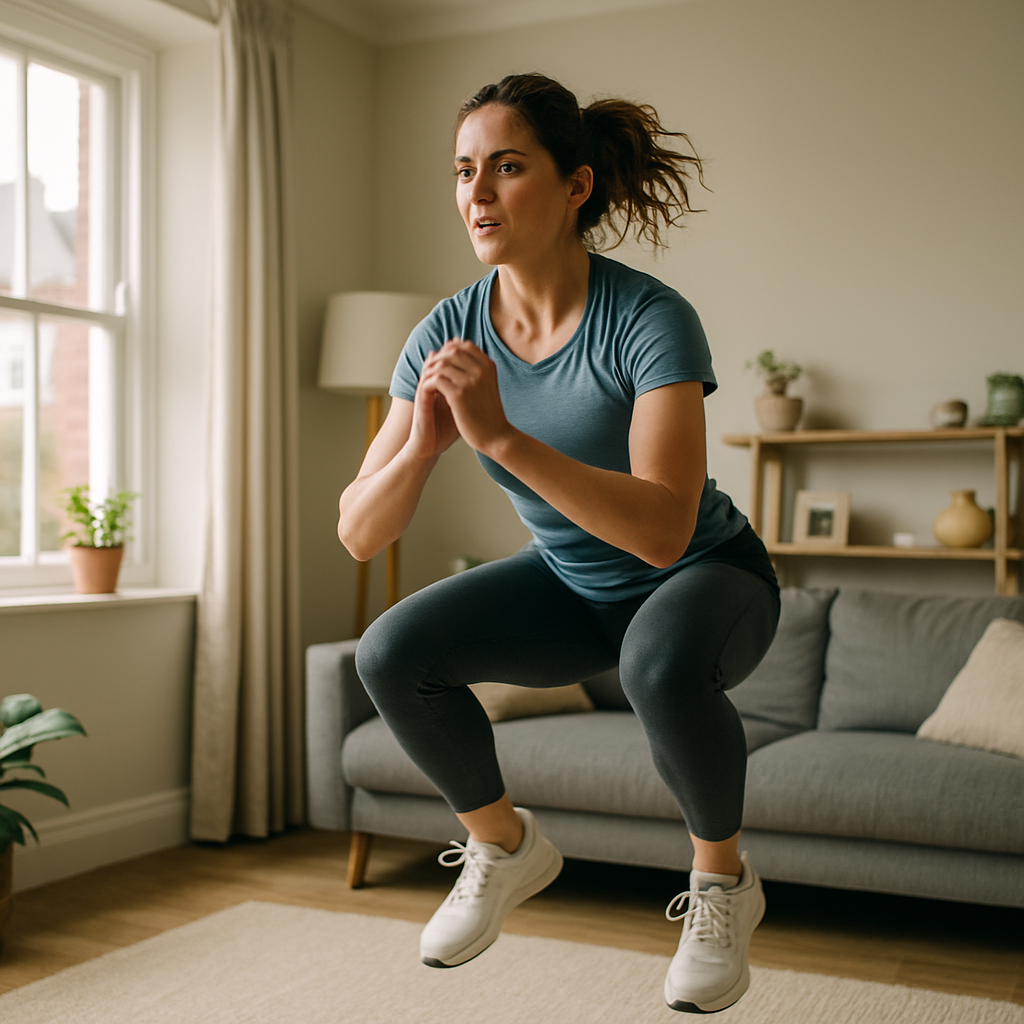
The term “exercise snack” refers to very short bouts of physical activity lasting anywhere from one to ten minutes, spread throughout the day rather than consolidated into a single session. Think three brisk stair climbs, a five-minute jog before lunch, or ten squats every hour.
Research published in journals including the British Journal of Sports Medicine has found that these fragmented bouts can meaningfully improve cardiovascular markers, blood glucose regulation, and even VO2 max in previously sedentary people. A 2023 study from the University of Sydney (widely cited in UK health media) found that even six minutes of vigorous incidental activity per day was associated with significantly lower all-cause mortality risk.
That is not nothing. For someone who was doing essentially zero structured exercise before, replacing that zero with a handful of short, sharp efforts scattered through the working day produces measurable physiological change. The mechanism is not mysterious: muscles contract, heart rate rises, metabolic signalling kicks in. The body does not much care whether those ten minutes happened all at once or in fragments.
What HIIT Research Actually Shows for Sedentary Adults
High-intensity interval training (HIIT) has been the subject of serious scientific inquiry for well over a decade now. The core finding is robust: short bouts of work at near-maximal effort, interspersed with recovery periods, can produce cardiovascular and metabolic adaptations comparable to much longer sessions of moderate-intensity exercise.
A landmark protocol from McMaster University (frequently replicated and cited in UK clinical research) used just 10 minutes of total exercise time, including three 20-second all-out sprints within that window, and demonstrated improvements in insulin sensitivity, aerobic capacity, and muscle mitochondrial content in previously inactive participants.
For desk workers in the UK, where ONS data consistently shows that adults in sedentary occupations struggle most with physical activity thresholds, HIIT offers a pragmatic entry point. You do not need a gym. You do not need an hour. You need a clear stretch of floor and the willingness to actually push hard for those twenty seconds.
The Honest Caveats You Need to Know
Here is where the hopeful picture needs a little qualification, because intellectual honesty matters more than a motivating oversimplification.
First, intensity is non-negotiable. A ten-minute walk counts as something, but it does not replicate the physiological stimulus of ten minutes of genuine HIIT. When research claims you can match the benefits of a 45-minute run with a ten-minute session, it is talking about high-intensity work, meaning you should be uncomfortable, breathless, and unable to hold a conversation. If your “short workout” is gentle movement at low effort, it is not a replacement for longer moderate activity. It is an addition.
Second, the research on exercise snacks skews heavily towards cardiovascular and metabolic outcomes. Evidence for bone density, muscle hypertrophy, and mental health benefits is less settled for ultra-short sessions. Strength training, in particular, likely requires more volume and progressive overload than ten minutes per day can reliably deliver. The CMO guidelines’ recommendation for two resistance sessions per week exists for a reason.
Third, accumulation matters. Ten minutes a day every day totals 70 minutes per week of vigorous activity, which sits just below the CMO threshold of 75 minutes. Add even one slightly longer session or a few extra snacks through the week and you are there. The maths is encouraging.
What This Means Practically for UK Desk Workers
The practical picture for someone sitting at a desk in a Bristol office or working from a terraced house in Leeds is actually quite positive. You do not need to overhaul your life. You need a realistic structure.
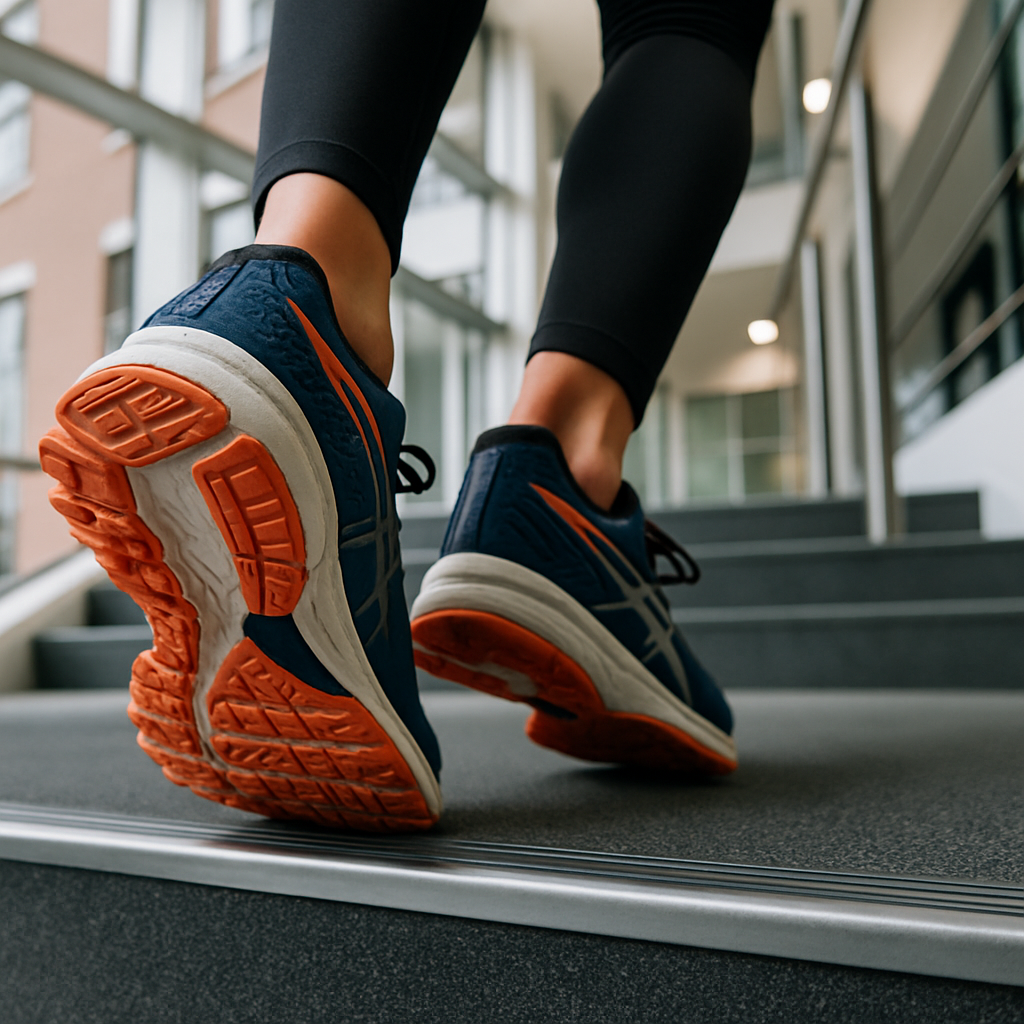
A workable minimum might look like this: two or three proper HIIT sessions per week (ten to fifteen minutes each, genuinely hard), supplemented by exercise snacks on the remaining days (a brisk stair climb, a set of press-ups before lunch, a ten-minute walk at pace). Add two short resistance sessions using bodyweight or a pair of dumbbells and you are meeting or closely approaching CMO guidance without ever setting foot in a gym.
What matters most for this population is not optimal programming. It is consistency and the removal of friction. Research from Public Health England has consistently shown that complexity and time demand are the two biggest barriers to exercise uptake in working-age adults. Short workouts reduce both.
Are Short Workouts Enough Exercise for the Long Term?
For someone moving from nothing to something, short workouts are genuinely transformative and the evidence for that claim is solid. They reduce cardiovascular risk, improve blood sugar regulation, support mood, and establish a movement habit that tends to expand over time.
For someone who has been active for years and is trying to maintain a high level of fitness or build significant muscle, ten minutes a day will not be enough on its own. But that is not who this question is really aimed at.
The most honest answer to whether short workouts are enough exercise for UK adults who barely move is this: they are enough to start producing meaningful health benefits, they are enough to begin closing the gap with CMO guidelines, and for many people, they are enough to build the habit that eventually leads to more. That is not a consolation prize. That is a genuine public health win.
Start short. Start hard enough to actually raise your heart rate. Do it consistently. The rest tends to follow.
Frequently Asked Questions
Are short workouts enough exercise to meet NHS guidelines?
Short workouts can contribute meaningfully towards the UK CMO recommendation of 75 minutes of vigorous activity per week. Ten minutes of genuine high-intensity effort daily puts you close to that threshold, though you should also aim for two resistance sessions per week as the guidelines recommend.
What counts as a HIIT workout at home for beginners?
A basic home HIIT session could include alternating between 20 seconds of all-out effort (burpees, jumping jacks, mountain climbers) and 10 seconds of rest, repeated for five to eight rounds. The key word is intensity: you should be genuinely breathless, not just mildly warm.
What are exercise snacks and are they actually effective?
Exercise snacks are brief bouts of movement lasting one to ten minutes spread throughout the day, such as a quick stair climb or a set of squats before a meeting. Research published in the British Journal of Sports Medicine suggests they can improve cardiovascular markers and blood glucose regulation, particularly in sedentary individuals.
Is 10 minutes of exercise a day better than nothing for sedentary desk workers?
Yes, significantly so. Multiple studies show that moving from zero structured activity to even 10 minutes of daily vigorous exercise produces measurable improvements in cardiovascular health, insulin sensitivity, and all-cause mortality risk. The CMO guidelines explicitly state that some activity is better than none.
How many days a week should you do short HIIT workouts?
Most exercise scientists suggest three to four sessions per week for HIIT, with at least one rest or low-intensity day between hard efforts to allow recovery. Combining three weekly HIIT sessions with daily exercise snacks and two short resistance sessions covers most CMO recommendations without requiring more than 20 to 30 minutes on any given day.
Leave a Reply