
If you spend most of your day looking at screens – and most of us do – you have probably heard warnings about blue light and eye health. But how much of it is solid science, and how much is marketing dressed up as concern? Here is what we actually know.

What Is Blue Light?
Blue light sits at the high-energy end of the visible light spectrum, with wavelengths between roughly 380 and 500 nanometres. It is emitted by the sun in large quantities, but also by LED lighting, smartphones, laptops, and television screens. The sun remains the biggest source by a considerable margin – something that rarely features in the conversation around screen time.
Blue Light and Eye Health: The Evidence So Far
The concern is that prolonged exposure to blue light may contribute to retinal damage and accelerate age-related macular degeneration. Laboratory studies on cell cultures have shown that blue light can cause oxidative stress in retinal cells. However, the American Academy of Ophthalmology has stated that current evidence does not support the idea that everyday screen use causes lasting eye damage in most people. The levels of blue light emitted by screens are substantially lower than what the eye receives from natural daylight.
That said, the relationship between blue light and eye health is not entirely dismissed. Research published in journals including Investigative Ophthalmology and Visual Science continues to explore long-term cumulative exposure, particularly in people with certain genetic risk factors for macular conditions.
Digital Eye Strain Is Real – Just Not Quite the Same Thing
Here is the important distinction. Digital eye strain – symptoms like dry eyes, blurred vision, and headaches after prolonged screen use – is genuinely common. The NHS acknowledges it as a recognised condition. However, most researchers believe it is caused by reduced blinking, poor screen positioning, and prolonged focus rather than blue light wavelengths specifically. Blue light gets the blame, but the mechanism is more mundane.
What About Blue Light Glasses?
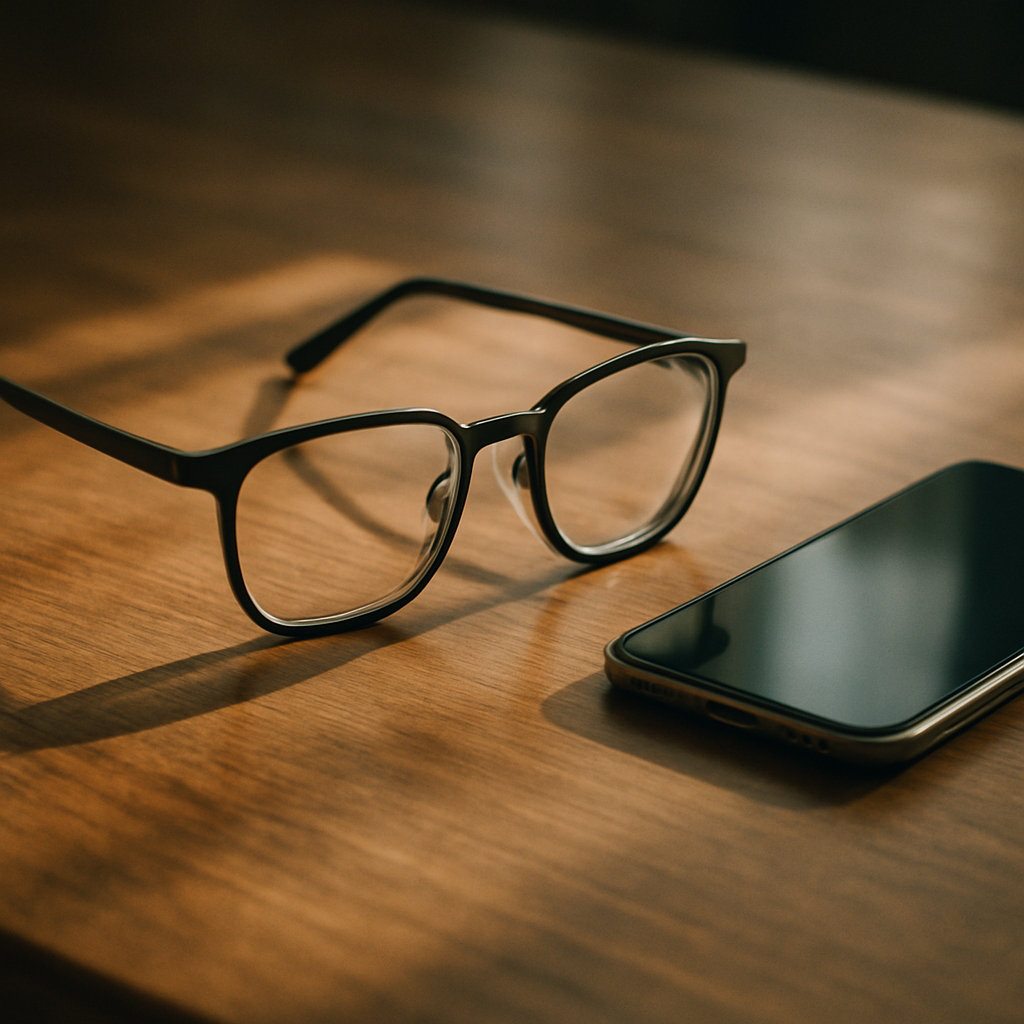
Blue light filtering glasses have become a significant consumer category. Brands in this space, including Droptix, have responded to growing demand from people who spend long hours working in front of screens. The honest picture is that the evidence for these lenses reducing eye strain is mixed. A 2021 Cochrane Review found little robust evidence that blue light filtering spectacles improved visual comfort compared to standard lenses. That does not mean they offer no benefit for some wearers, but it is worth approaching the category with realistic expectations.
Practical Steps That Are Worth Taking
Regardless of where the blue light debate settles, there are straightforward habits that do have good evidence behind them. The 20-20-20 rule – every 20 minutes, look at something 20 feet away for 20 seconds – is widely recommended by optometrists and genuinely helps reduce strain. Adjusting screen brightness to match your environment, keeping screens at arm’s length, and increasing text size so you are not squinting all make a meaningful difference.
Limiting bright screen exposure in the hour before bed is also well-supported, largely because blue light suppresses melatonin production and disrupts sleep quality – an effect confirmed by research from Harvard Medical School’s Division of Sleep Medicine.
The Bottom Line
Blue light and eye health is a topic that deserves nuance rather than alarm. The science does not currently support the idea that your phone is quietly destroying your retinas, but it does suggest that how you use screens matters. Building in regular breaks, minding your sleep, and having your eyes checked regularly remain the most evidence-backed things you can do.

Blue light and eye health FAQs
Can blue light from screens permanently damage your eyesight?
Current evidence does not strongly support the idea that typical screen use causes permanent eye damage. The American Academy of Ophthalmology has stated that everyday screen blue light is far less intense than sunlight, and there is no conclusive proof it leads to lasting retinal harm for most people. Regular eye check-ups remain the best safeguard.
Do blue light glasses actually help with digital eye strain?
The evidence is mixed. A major Cochrane Review found limited proof that blue light filtering lenses meaningfully reduce eye strain compared to standard glasses. Some people do report feeling more comfortable wearing them, but the benefit may relate to other factors such as lens quality or placebo effect. It is worth discussing with your optometrist before investing.
How does blue light affect sleep, and what can I do about it?
Blue light suppresses melatonin, the hormone that signals to your body that it is time to sleep. Research from Harvard Medical School’s Division of Sleep Medicine supports avoiding bright screens for at least an hour before bed. Using night mode settings on devices, which shift the screen to warmer tones, can also help reduce this effect.
Leave a Reply