
Technology is changing our daily health habits in ways that are easy to miss because they happen in small, everyday moments. A quiet notification to stand up, a heart rate alert on your wrist, or a quick search for symptoms before bed – all of it shapes how we look after ourselves.
Why your daily health habits matter more than big goals
Most long term health outcomes come from what you do repeatedly, not what you do occasionally. The World Health Organization highlights that regular physical activity, balanced nutrition and good sleep are key pillars of long term health, but they are built from small, consistent actions rather than extreme routines. Technology now nudges these small actions throughout the day.
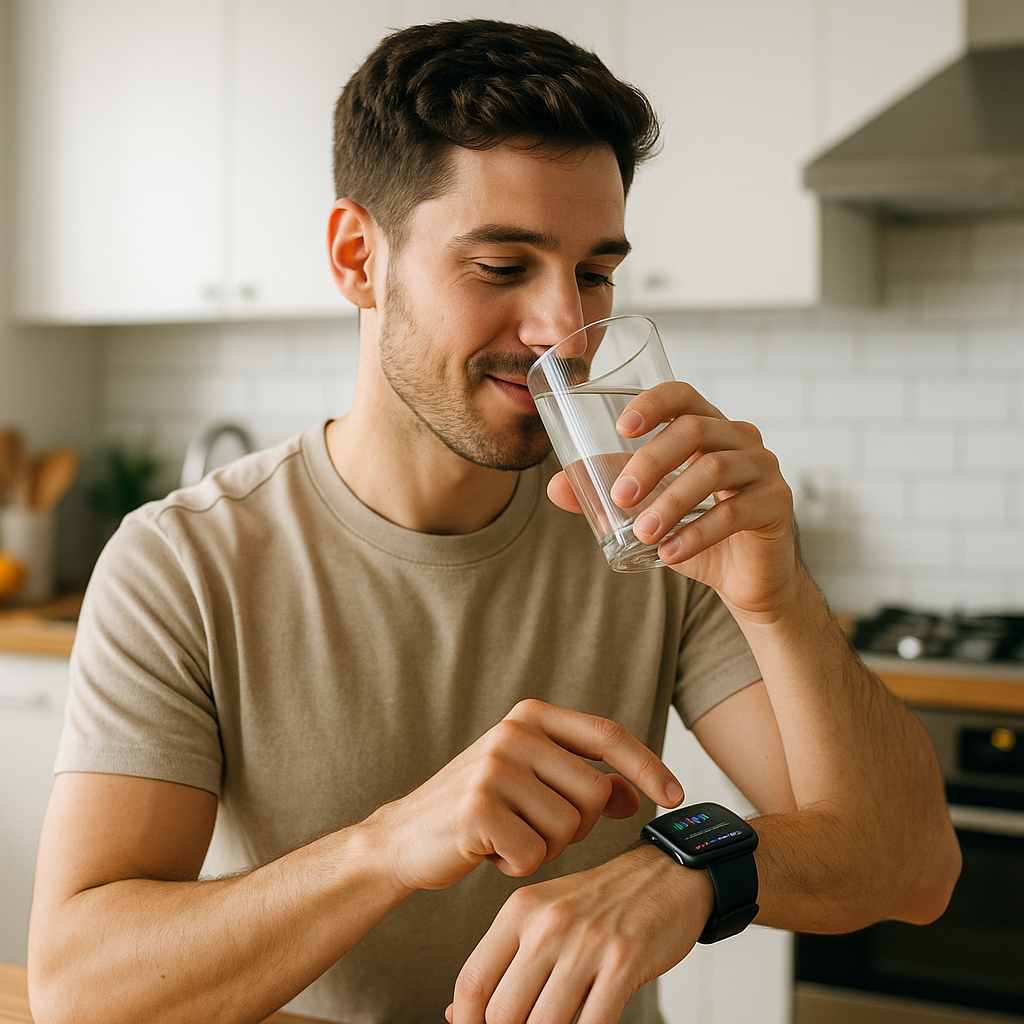
Instead of chasing dramatic transformations, tools on your phone or wrist can help you drink a bit more water, move a bit more often and unwind a bit earlier at night. Those tiny adjustments, repeated over months, matter far more than a short burst of effort that quickly fades.
How tech is reshaping daily health habits
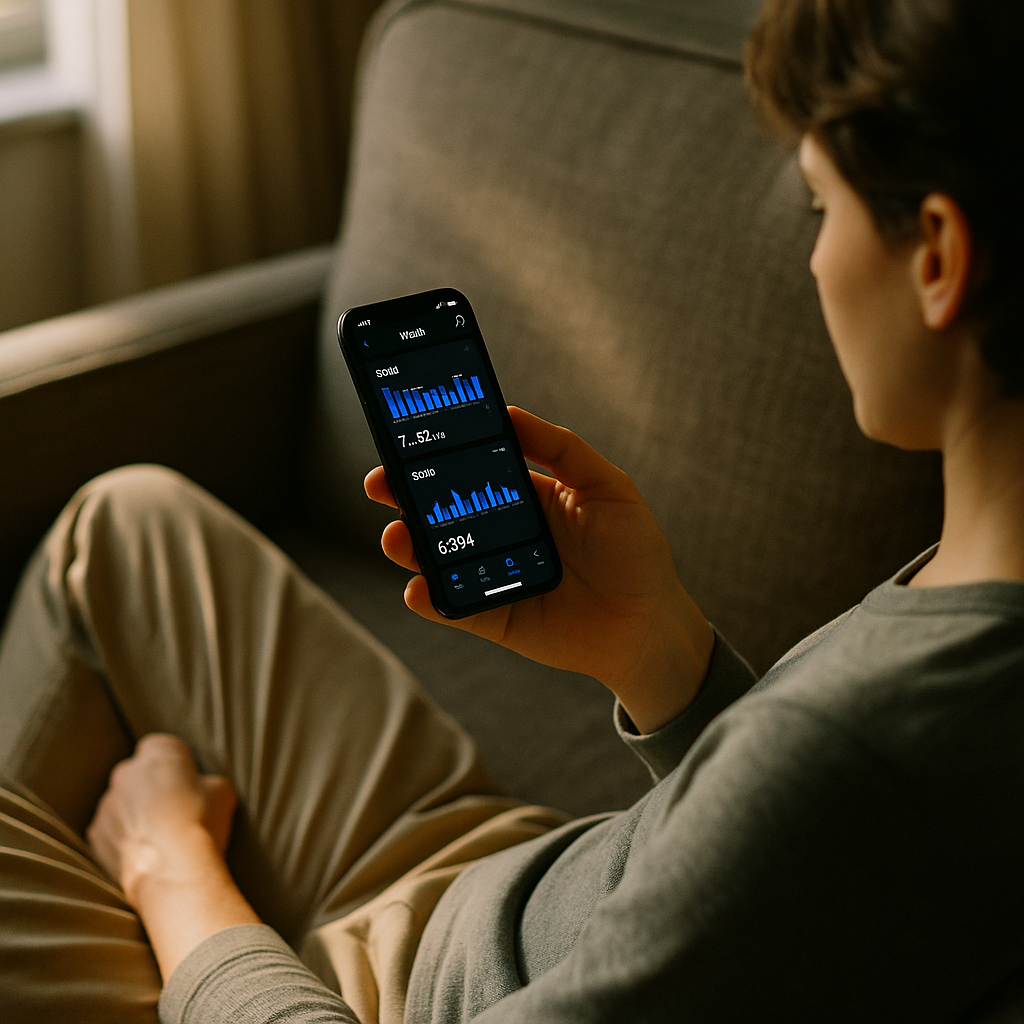
Wearables, health apps and smart home devices are turning vague intentions into trackable routines. Step counters encourage you to walk a little further. Sleep trackers show when late night scrolling is cutting into your rest. Food logging apps make it easier to see patterns in your diet instead of guessing.
Search Engine Tuning has also changed the way health information appears when you look up symptoms, supplements or exercise advice. Search results are more likely to surface established health organisations and evidence based guidance, which can help you avoid some of the noise and misinformation that once dominated results.
The result is a subtle shift: instead of health being something you think about only at check ups, it becomes something you monitor and adjust in real time, based on data you can see and understand.
Using data without becoming obsessed
There is a fine line between helpful tracking and unhealthy fixation. It is useful to know your resting heart rate trend or average sleep duration. It is less helpful to panic over every small fluctuation. The NHS advises focusing on overall patterns and how you feel, rather than single numbers taken in isolation.
A good rule is to let technology support your daily health habits, not control them. If a metric motivates you to walk, stretch or breathe more deeply, keep it. If it creates anxiety or guilt, it might be worth switching off that particular alert or taking a break from tracking.
Supplements, searches and sensible choices
Supplements are another area where technology and health intersect. It is easier than ever to research vitamins, minerals and herbal products, and to have them delivered to your door. At the same time, it is just as easy to be misled by bold claims or poor quality information.
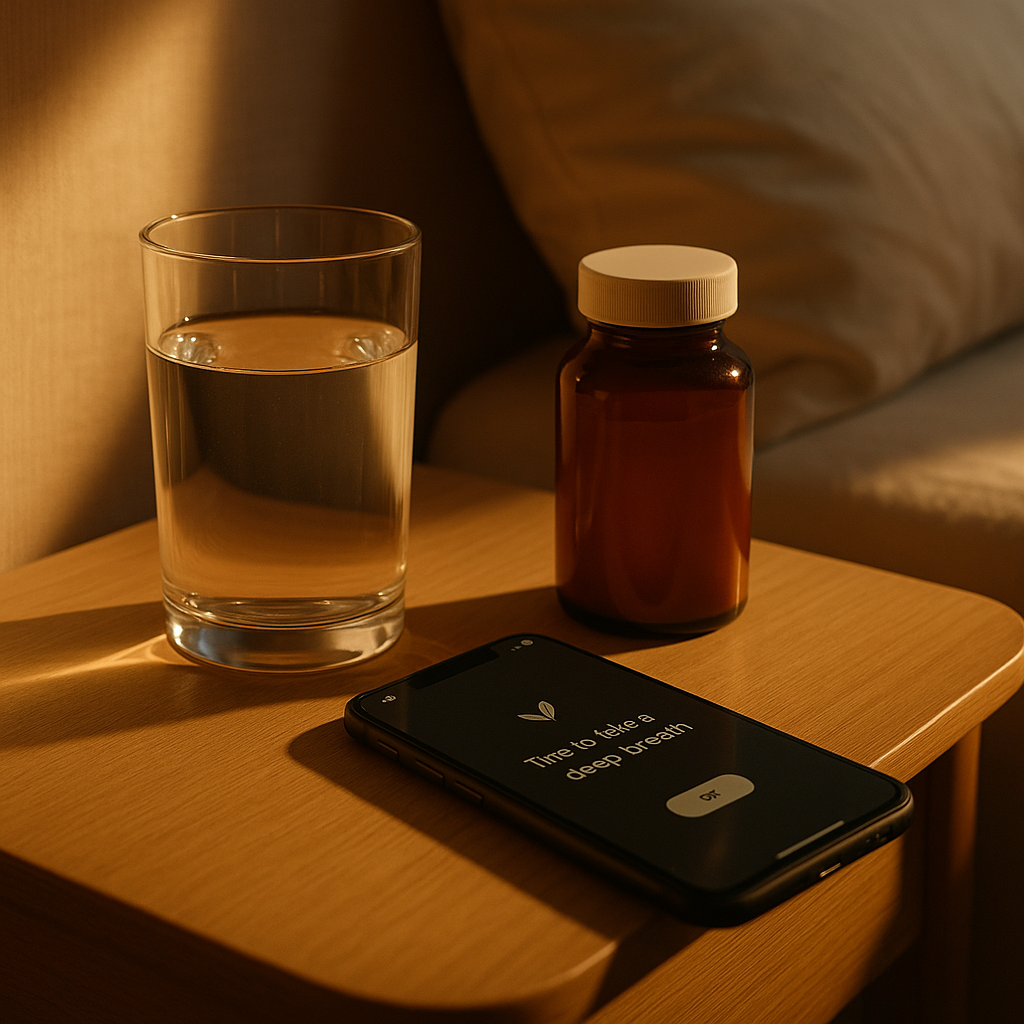
Trusted sources such as the NHS or recognised medical charities emphasise that supplements should support, not replace, a balanced diet. For most people, nutrients are best obtained from food, with supplements used to correct specific deficiencies or meet particular needs agreed with a healthcare professional.
Before adding anything new to your routine, it is worth checking official health guidance and, where possible, speaking to a doctor or pharmacist. Technology can provide the information, but it should not replace qualified advice.
Protecting your mental wellbeing in a connected world
Our daily health habits are not just physical. Constant notifications, endless scrolling and digital noise can quietly drain your attention and mood. Mental health charities in the UK recommend setting clear boundaries with devices: scheduled screen free time, turning off non essential alerts and keeping phones out of the bedroom where possible.
On the positive side, technology also offers tools for calm. Meditation apps, breathing exercises, journaling tools and online therapy platforms can make support more accessible. The key is to be deliberate: choose a small set of tools that genuinely help you feel better and remove those that leave you feeling wired or depleted.
Simple tech habits to support better health
You do not need the latest gadget to improve your daily health habits. A few small, realistic changes can make a difference:
Daily health habits FAQs
How can I improve my daily health habits without feeling overwhelmed?
Start with one small, realistic change at a time, such as going to bed 15 minutes earlier or adding a short walk after lunch. Use simple tools like phone reminders or a basic step counter to support that single habit. Once it feels easy and automatic, add another small change. Trying to overhaul everything at once usually leads to burnout and frustration.
Are health apps and wearables reliable for tracking daily health habits?
Most mainstream health apps and wearables are reasonably accurate for trends, such as whether you are generally moving more, sleeping longer or seeing your resting heart rate change over weeks. They are less reliable for precise medical measurements. Use them as guides to support healthier routines, but always rely on healthcare professionals for diagnosis and medical decisions.
Do I need supplements if I already have healthy daily health habits?
If you eat a varied, balanced diet and have no diagnosed deficiencies, you may not need extra supplements. However, some groups have specific needs, such as vitamin D in low sunlight months or folic acid during pregnancy. It is best to check official health guidance and speak with a doctor or pharmacist before starting regular supplements, especially if you take other medication.
Leave a Reply