
Health tech hubs are quietly reshaping how we access care, manage long term conditions, and think about everyday wellbeing. These are local centres and services that blend clinicians, digital tools, and community support to make healthcare faster, more personal, and easier to reach.
What are health tech hubs?
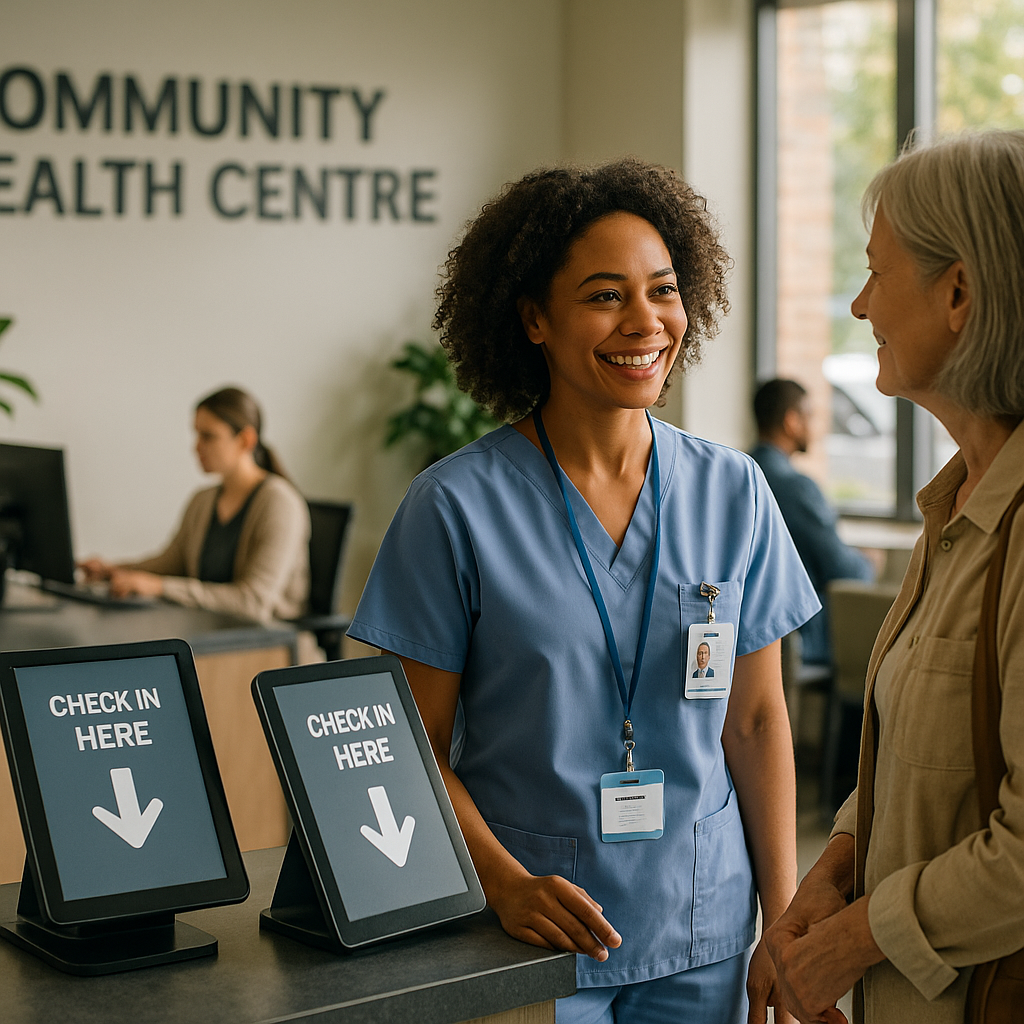
At their core, health tech hubs bring together people, data, and devices in one place. They might be based in a clinic, a community space, or partly online, but they share a few common features:
- Face to face access to nurses, GPs, or allied health professionals
- Digital tools like apps, remote monitoring devices, or online triage
- Clear signposting to local services, from mental health support to exercise groups
- Simple education around lifestyle, supplements, and self management
Centres like HealthPod Mansfield show how this can work in practice, with tech used to support conversations rather than replace them.
How health tech hubs improve everyday care
When done well, health tech hubs can remove some of the friction that makes looking after your health feel overwhelming. A few practical examples:
- Faster triage: Symptom checker tools and secure messaging help staff decide who needs urgent attention and who can be safely managed with advice.
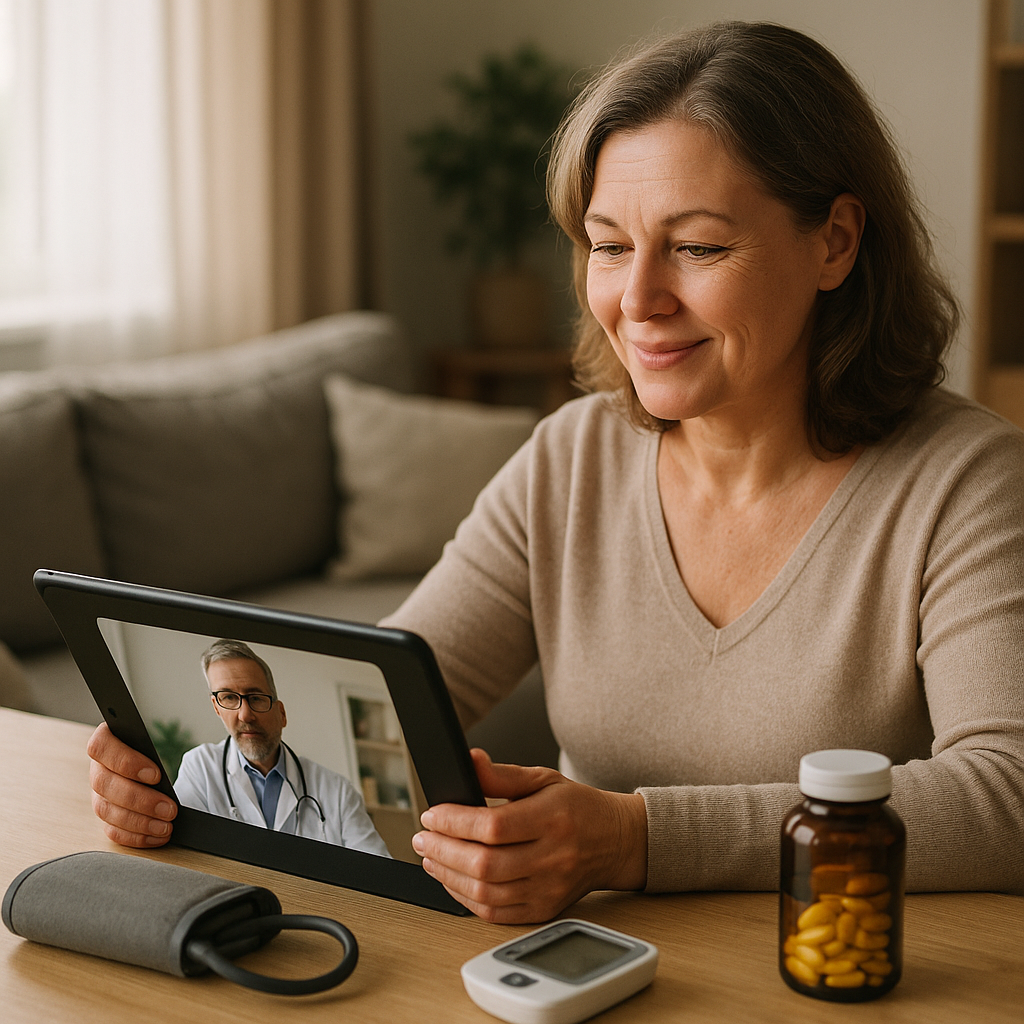
- Remote checks: Blood pressure cuffs, glucose monitors, or pulse oximeters can send readings to clinicians, cutting unnecessary appointments.
- Joined up records: Shared digital notes mean you repeat your story less and get more consistent advice.
For people with conditions like diabetes, asthma, or heart disease, this can mean fewer crises and more steady control. The National Institute for Health and Care Excellence (NICE) has highlighted that structured education and regular monitoring improve outcomes for many long term conditions, and hubs are one way to deliver both in real life.
Supplements, lifestyle and the role of tech
Many of us turn to supplements when we feel tired, stressed, or run down. Health tech hubs can help separate useful options from marketing hype. For example, the NHS advises that most adults in the UK should consider a daily vitamin D supplement during autumn and winter, especially if they get little sun exposure. A hub can:
- Review your current medicines and supplements to check for clashes
- Explain what evidence exists for things like omega 3, probiotics, or magnesium
- Help you track symptoms or side effects in an app so changes are easier to spot
Tech does not replace clinical judgement, but it can make it easier to notice patterns, such as whether a new supplement genuinely helps your sleep or mood over several weeks.
Mental wellbeing and digital support
Mental health is where health tech hubs can make a real difference. Short chats with a nurse or therapist, backed up by digital tools, can help people get support earlier. Evidence from organisations like the NHS and Mind shows that guided self help, cognitive behavioural therapy (CBT) apps, and regular check ins can reduce symptoms of mild to moderate anxiety and depression for many people.
A hub might offer mood tracking apps, online CBT programmes, or video sessions, alongside in person groups or one to one appointments. The tech makes it easier to reach out on a difficult day, while the human element keeps care grounded and compassionate.
What to expect if you visit a health tech hub
A first visit is usually straightforward. You might:
- Fill in a short digital questionnaire about your health and goals
- Have basic checks such as blood pressure, weight, or blood tests if needed
- Talk through lifestyle, sleep, supplements, and any worries you have
- Be shown apps or devices that could help you track progress
You should always be able to ask why any test, device, or supplement is being suggested, and what evidence sits behind it. Good hubs are transparent and encourage questions.
How to use these solutions wisely
To get the most from these solutions, keep a few principles in mind:

Health tech hubs FAQs
What are health tech hubs in simple terms?
Health tech hubs are local services that combine healthcare professionals with digital tools such as apps, remote monitoring devices, and online triage. They aim to make it easier to get timely advice, manage long term conditions, and access mental health or lifestyle support in one connected place.
Can health tech hubs replace my GP?
No, health tech hubs are designed to complement, not replace, your GP. They can handle some monitoring, education, and early support, which may reduce the number of urgent appointments you need. Complex diagnoses, medication changes, and serious symptoms should still be discussed with your GP or emergency services as appropriate.
Do health tech hubs recommend supplements?
Some health tech hubs will discuss supplements, but responsible services base their advice on guidance from trusted bodies such as the NHS and NICE. They should review what you already take, explain the evidence for any new supplement, and check for possible interactions with your medicines before making suggestions.
Leave a Reply