The EU AI Act has been quietly coming into force across 2025 and 2026, and most people have no idea what it actually does. That’s a problem, because it directly shapes the apps on your phone, the recommendation algorithms deciding what you watch, and the automated systems that can affect decisions about your finances or healthcare. The EU AI Act consumer impact is real, it’s already here, and it’s worth understanding in plain terms.
This isn’t just a European issue either. UK readers should pay attention. Although the UK left the EU and has its own emerging AI governance framework, many of the products and platforms used daily by people in Britain are built by companies operating in the EU or selling into the European market. Those companies are now legally required to meet the Act’s standards, which means the changes trickle through to everyone using their products.

What the EU AI Act Actually Is
The EU AI Act is the world’s first comprehensive legal framework specifically for artificial intelligence. It came into force in stages, with the most significant provisions applying to high-risk AI systems from August 2026 onwards. The core idea is straightforward: the more potential harm an AI system can cause, the more oversight and transparency it must demonstrate.
The Act divides AI into risk tiers. Unacceptable-risk systems, such as social scoring by governments or real-time biometric surveillance in public spaces, are outright banned. High-risk systems, covering areas like healthcare diagnosis tools, credit scoring, and recruitment software, face strict requirements around documentation, human oversight, and accuracy. Lower-risk systems, including most chatbots and content recommendation engines, must meet lighter transparency obligations. General-purpose AI models, like the large language models powering many consumer tools, face their own set of rules around transparency and capability disclosure.
What Changes for You as a Consumer
The most immediate change you’re likely to notice is disclosure. Under the EU AI Act, companies must clearly tell you when you’re interacting with an AI system rather than a human. That might sound obvious for a chatbot, but it applies to more subtle situations too: automated customer service systems, AI-generated content, and deepfake detection obligations. If a piece of content is AI-generated and could deceive you, the company behind it must label it as such.
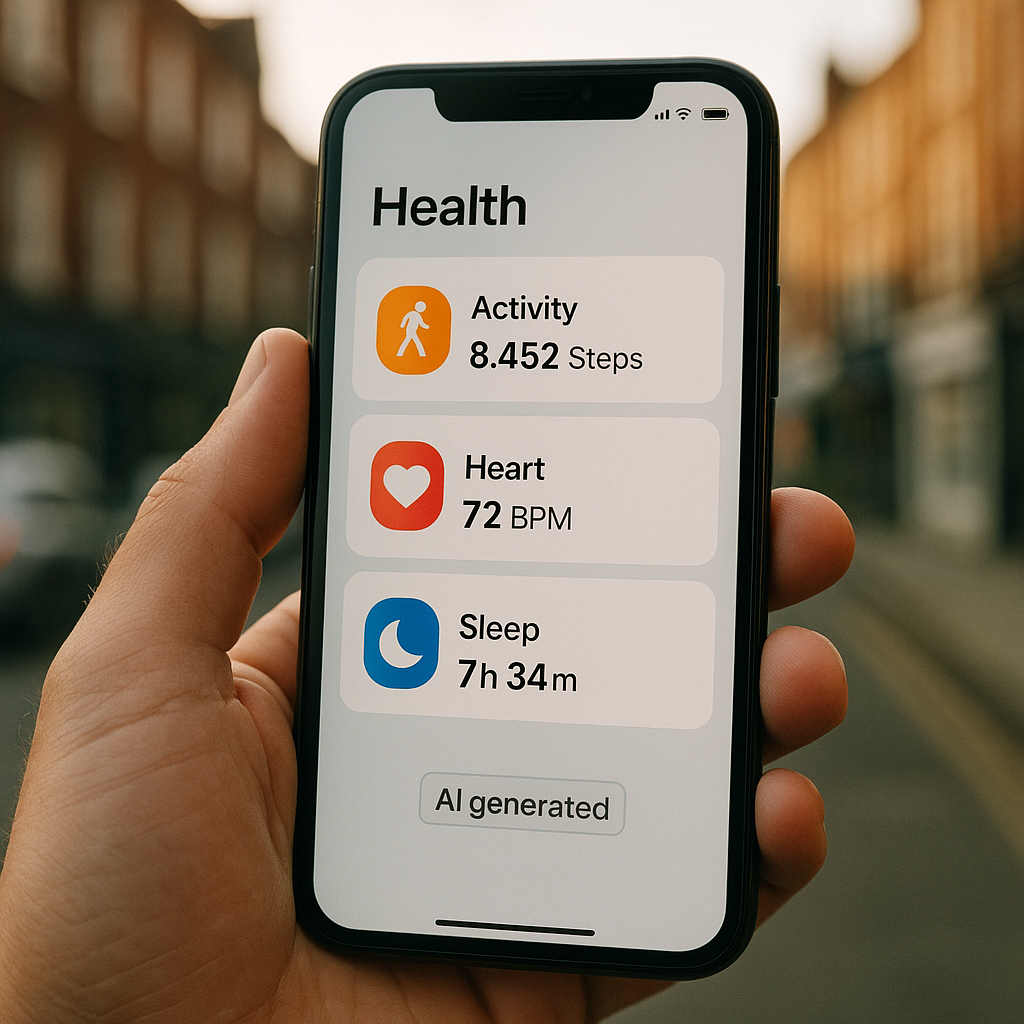
For health and wellness apps, which increasingly use AI to provide personalised advice, the rules become more significant. Apps making health recommendations that influence medical decisions are likely to fall into higher-risk categories. That means they’ll need to demonstrate their systems are accurate, properly documented, and subject to human oversight. Practically speaking, this should raise the floor on quality for health tech products sold or used across Europe.
Credit decisions are another area where the EU AI Act consumer impact becomes concrete. If an AI system contributes to a decision about whether you get a loan, insurance, or a rental agreement, you now have a stronger right to an explanation of how that decision was made. This builds on existing rights under GDPR, but goes further in requiring the systems themselves to be auditable and contestable. The UK’s own Financial Conduct Authority has been watching these developments closely, and similar transparency pressures are building domestically.
High-Risk Classifications and Why They Matter to You
The high-risk category is where the Act has the most teeth. It covers AI systems used in:
- Healthcare and medical devices
- Education and vocational training (systems that assess students)
- Employment and recruitment
- Access to essential private and public services, including credit and insurance
- Law enforcement and border control
- Administration of justice
If you’ve ever applied for a job through an automated screening platform, or been assessed by an algorithm for benefits eligibility, those systems now have to meet standards around bias testing, accuracy documentation, and human review. Companies deploying them must register them in an EU database, which is publicly accessible. That’s a meaningful accountability shift. You can actually look up whether a system affecting your life has been properly registered.
The European Commission’s digital strategy pages maintain updated guidance on the Act’s scope and timelines if you want to go deeper into the official position.
What About Chatbots and Everyday AI Tools?
Most of the consumer AI tools people use daily, including writing assistants, productivity apps, and recommendation systems, sit in the lower-risk tiers. They aren’t banned and don’t face the same heavy compliance burden. But they do face transparency requirements. If you’re talking to an AI, it must be clear that you’re talking to an AI. If content has been generated by an AI in a way that could mislead you, it must be labelled.
The rules around general-purpose AI models (GPAIs) are worth flagging separately. Large-scale models that power many consumer products now have obligations around publishing technical documentation, copyright policies, and, for the most powerful models, full adversarial testing and incident reporting. This means the underlying engines driving the tools you use are subject to transparency requirements you haven’t seen before.
Does This Apply if You’re in the UK?
Technically, the EU AI Act does not directly apply in the UK. Post-Brexit, the UK is developing its own approach through the AI Safety Institute and a sector-by-sector regulatory model, rather than a single overarching law. However, the practical EU AI Act consumer impact for UK users is significant for one simple reason: most major tech platforms operate across both markets and are not going to build two entirely separate product versions. They will comply with the stricter standard, which is the EU Act, and that compliance will extend to their UK-facing products too.
This is sometimes called the Brussels Effect, and it’s exactly what happened with GDPR. UK consumers gained real privacy protections partly because the companies serving them were already complying with EU law. The same dynamic is likely to play out with AI regulation.
What You Can Actually Do With This Information
A few practical points worth holding onto. First, if an AI system makes a significant decision about you, whether in hiring, finance, or healthcare, you have growing rights to ask for an explanation. Exercise them. Second, if an app claims to give you medical or mental health guidance, ask how it classifies itself under the Act. Reputable providers should be able to answer. Third, watch for the labelling. When AI-generated content becomes ubiquitous, the labels required by the Act are one of the few honest signals left about what you’re actually looking at.
The EU AI Act consumer impact is not a silver bullet. Enforcement is complex, and the rules are being tested in real time. But the direction of travel is clear: more transparency, more accountability, and more tools for ordinary people to understand and challenge the automated systems shaping their lives. That’s a genuine step forward, and it’s worth knowing about.
Frequently Asked Questions
Does the EU AI Act apply to people in the UK?
Not directly, since the UK has its own regulatory approach. However, major tech companies serving both the EU and UK markets typically comply with the stricter EU standard, meaning UK consumers often benefit from the same protections in practice.
What rights do I have if an AI makes a decision about me?
If a high-risk AI system, such as one used in credit scoring, recruitment, or healthcare, makes or contributes to a significant decision about you, you have the right to request a meaningful explanation of how that decision was reached. Companies must also ensure a human review process is available.
Which apps or services count as high-risk under the EU AI Act?
High-risk categories include AI used in healthcare diagnostics, job recruitment screening, credit and insurance assessments, educational evaluation, and law enforcement. These systems face the strictest transparency and documentation requirements under the Act.
Will companies have to tell me when I'm talking to an AI?
Yes. The EU AI Act requires that users are clearly informed when they are interacting with an AI system rather than a human. This applies to chatbots, automated customer service, and AI-generated content that could deceive users.
When did the EU AI Act come into full effect?
The Act came into force in stages. The ban on unacceptable-risk AI systems applied from early 2025, while the most significant obligations for high-risk AI systems are being enforced from August 2026 onwards.